

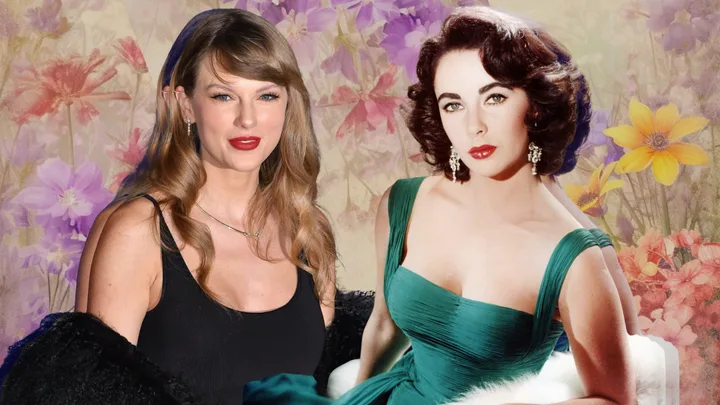
On Taylor Swift’s 12th studio album – The Life of a Showgirl – there’s a track titled Elizabeth Taylor.
As the album has not yet been released (only a few more hours to go!), it’s not yet clear what the song will be about – but I’m guessing it’ll have something to do with the late actress Elizabeth Taylor.
Especially as this isn’t the first time Taylor has referenced Elizabeth; the Reputation track …Ready For It? features the lyrics “Burton to this Taylor,” a clear nod to Elizabeth’s romantic relationship with actor Richard Burton.

Plus, Taylor and Elizabeth share many similarities…
For instance, they both bravely took on powerful industries.
Elizabeth rose to fame during Hollywood’s “golden age,” when stars were tightly bound to the studio system.
Signed to MGM as a child, she quickly became one of their most bankable talents, but with that came little say over her roles, image or working conditions.

By her twenties though, Elizabeth began to rebel.
She refused parts she found uninspiring and endured suspensions as a result.
But ultimately, Elizabeth demanded unprecedented power over her career.
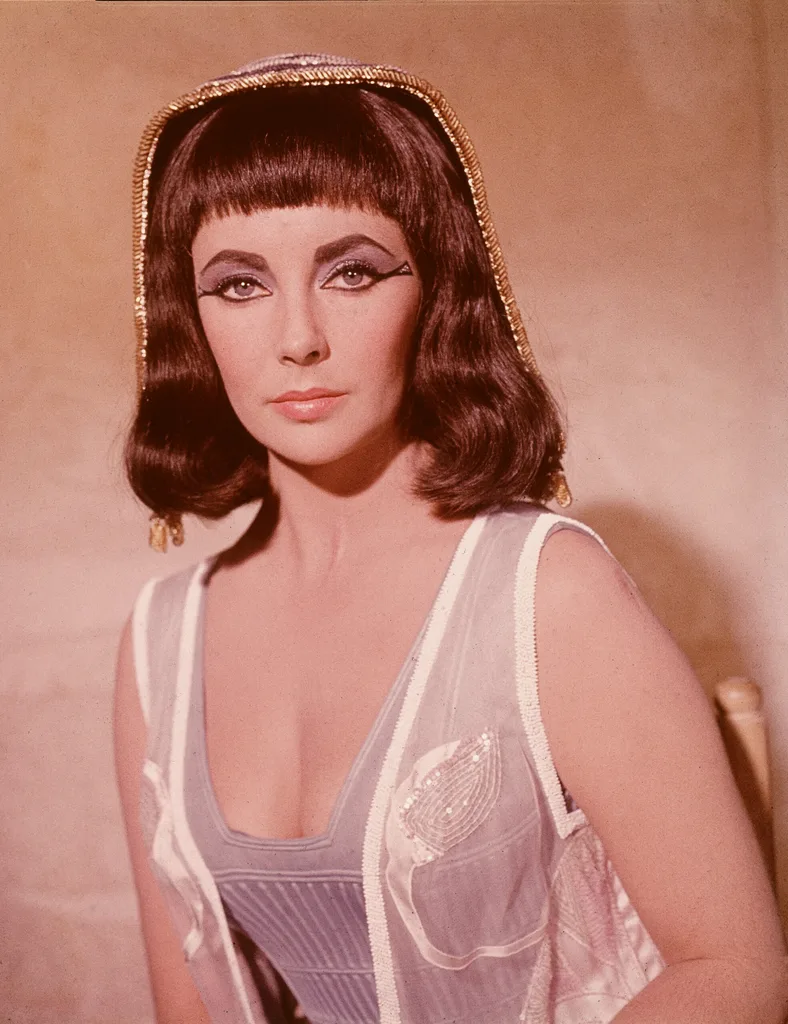
Her defining moment came with the now iconic film Cleopatra in 1961, when she insisted on – and won – a then-record salary of US$1 million, along with a share of the profits.
It was a groundbreaking deal that showed an actress could hold the leverage, not the studio, and it completely reshaped how Hollywood negotiated with its biggest stars.
As for Taylor, she found herself in a different yet similar kind of battle.
After parting ways with record label Big Machine Records, Taylor discovered her first six albums had been sold without her consent – and worst of all to Scooter Braun, a man Taylor considers a “manipulative bully”.
Taylor quickly told fans that she had tried to buy her masters multiple times but was met with conditions she found unacceptable.
For instance, Big Machine Records said if she re-signed with them she could “earn one album back at a time, one for every new one [she] turned in.”

And Scooter’s team said they’d only consider selling Taylor her masters if she signed “an ironclad NDA stating [she] would never say another word about Scooter Braun unless it was positive.”
Instead of surrendering, Ms Swift – soon to be Mrs Kelce – came up with a radical solution: re-recording her entire early catalogue.
By releasing the “Taylor’s Version” albums, she not only regained artistic and financial control but also turned the fight into a serious cultural moment, with fans (myself included) rallying behind her.
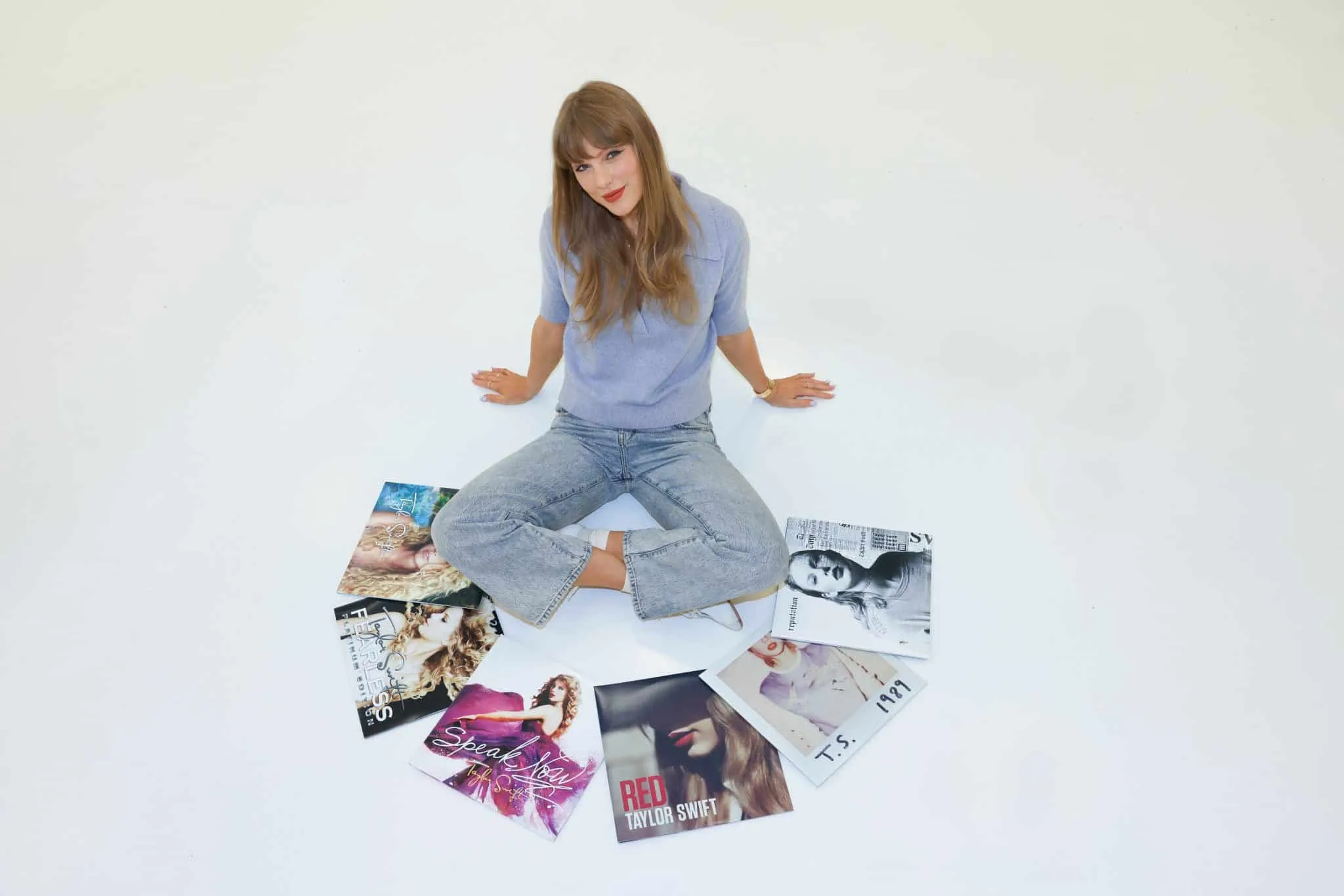
And in happy news, on May 30, 2025, Taylor bought back the masters to her first six albums – so we’ll be waiting a LONG time for Reputation (Taylor’s Version) and Taylor Swift (Taylor’s Version).
So, how are Taylor and Elizabeth’s stories similar? Both women refused to let powerful industries dictate their legacies.
Elizabeth Taylor broke the mould of the obedient studio star, while Taylor Swift rewrote the rules of modern pop ownership… Two Taylors fighting for artistic freedom.

