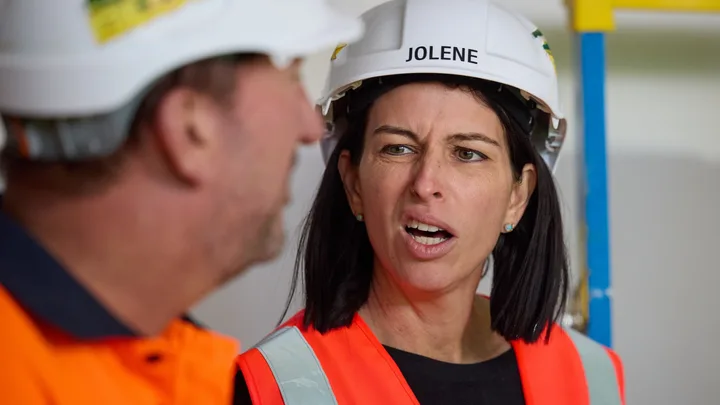
The Block’s auction day is usually full of nail-biting bids, shocked contestants and reserve prices that have viewers screaming at their screens. But this year, one of the biggest secrets has been let out of the bag early, and fans aren’t exactly keeping their opinions to themselves.
The decision to reveal the reserves before auction day has split viewers, with some arguing it takes the suspense out of the finale and others saying buyers deserve to know what they’re walking into.
And honestly, when you’re talking about multimillion-dollar homes, a little transparency doesn’t sound like the worst idea.
But will knowing the numbers help buyers make smarter decisions, or will it change the game for contestants hoping to walk away with a life-changing payday?
With new Victorian property rules behind the shake-up, this year’s auction could look a little different.
What are The Block’s reserve prices, and why are they public now?
All five Mount Eliza houses have a reserve price of $3.45 million, sitting $150,000 below the advertised price guides of $3.6 million to $3.9 million.
Shelley Craft revealed the figures on Today, giving viewers an early look at the numbers that will shape auction day.
The reserve is the minimum amount a seller is prepared to accept at auction. It doesn’t cap the bidding or guarantee a sale, but it gives buyers a clearer idea of what each property needs to fetch.
So why are we finding out now, rather than waiting for the usual auction-day reveal?
New Victorian property laws require agents to publish a seller’s reserve at least seven days before an auction. The changes aim to improve price transparency and tackle underquoting.
That means The Block has to follow the same rules as other residential property sellers in Victoria. The reserve reveal is no longer just a dramatic television moment; it’s a legal requirement.
For buyers, that extra information could help them work out whether a property is realistically within their budget before committing to an auction. For the contestants, though, the stakes remain high. Any profit above the reserve counts towards their winnings, with the team that makes the highest profit also taking home a $100,000 bonus.

The Block fans are divided over the reveal
As expected, the early reveal has split The Block fans. Some question why reserves should be public, while others say the change is long overdue.
One viewer called the move “stupid”, arguing buyers would have little reason to bid much higher than the reserve. Another reckoned the reserve should be the opening bid, predicting the teams finishing second to fifth would be “lucky to make $100k”.
But not everyone agrees. Some fans believe the new rules will help buyers avoid wasting time on homes they can’t afford.
“It’s actually one of the best things they have done here in Victoria,” one fan wrote, arguing that the change would stop agents from “UNDER quoting homes and wasting peoples time”.
Another viewer agreed that publishing the reserves could make the playing field more even, particularly for buyers who feel prices can be pushed beyond what a property is worth.
“But surely it makes the playing field more even?” they wrote, before questioning whether the new rules might even prompt The Block to move to another state.
What could it mean for The Block auction day?
Knowing the reserve could save buyers a wasted Sunday. Nobody wants to inspect their dream home only to discover it’s well outside their budget.
Consumer Affairs Victoria says the new rules aim to help buyers check if a property is affordable before attending an auction. But while knowing the reserve is useful, it’s not exactly a crystal ball.
The reserve doesn’t predict how many buyers will show up or how high they’ll bid. And if bidding falls short, the house could still be passed in. That leaves contestants waiting for another buyer to make an offer.
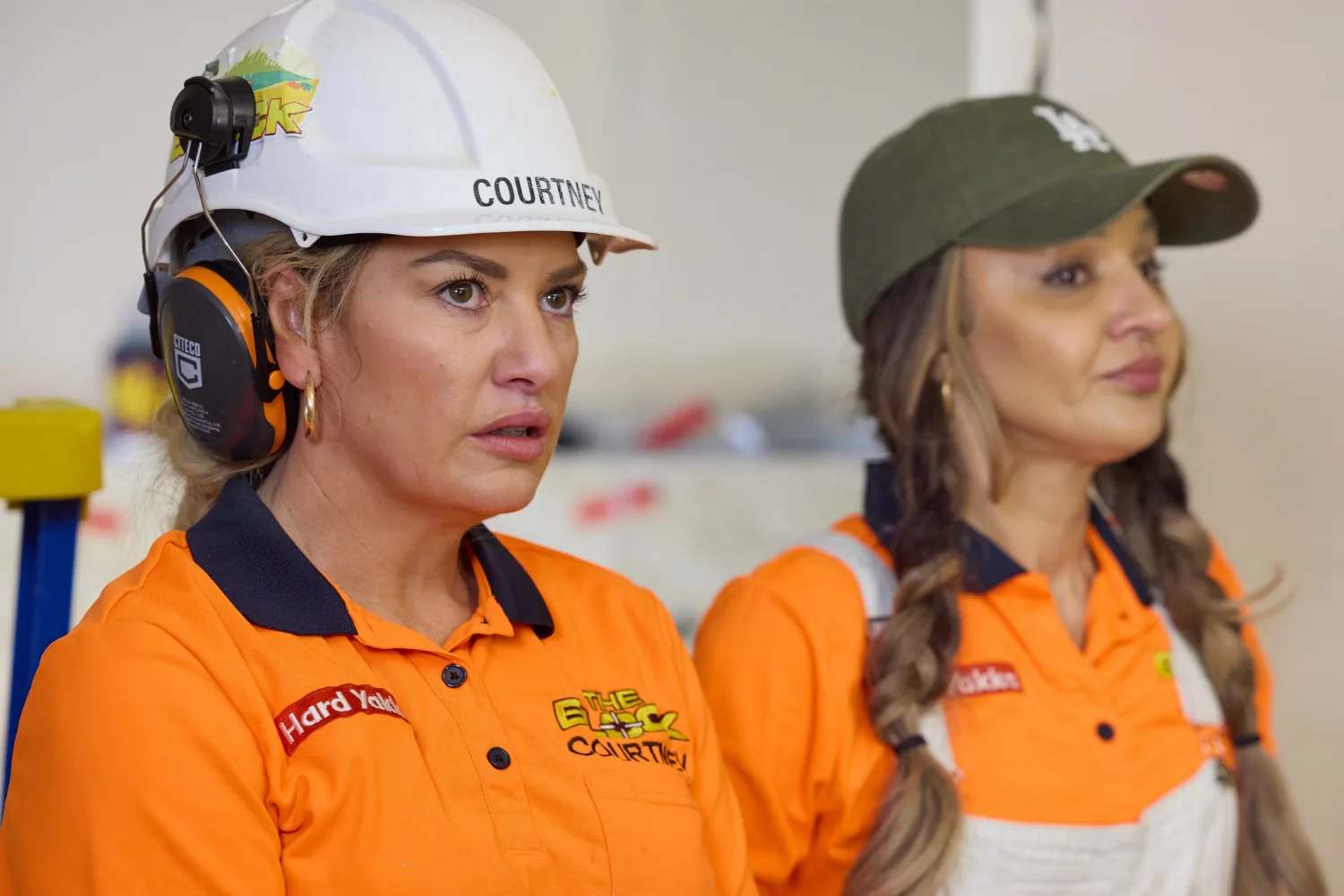
Just look at The Block’s 2025 auction. Emma and Ben, along with Han and Can, both saw their Daylesford homes passed in after failing to meet their $2.99 million reserves.
Months later, both properties were still on the market, with asking prices and price guides under scrutiny.
It’s a pretty stark reminder that getting to auction day is one thing; finding someone willing to pay the price you want is another.
Publishing the reserves could help buyers decide whether to attend. But it won’t guarantee a bidding frenzy.
The real test comes when the paddles go up and buyers make their moves. Then the contestants will find out if their multi-million-dollar homes can deliver the payday they’re hoping for.

Related stories

Native ad body.

The Bluey effect: Bringing imaginative play to everyday life
Native ad body.




Native ad body.