

 Instagram
Beef tallow is the latest buzzy beauty trend – and people are claiming it’s the secret to clear, glowing skin.
We’ll admit we’ll do pretty much anything in the name of beauty (hello, salmon sperm facials); however, the idea of incorporating animal fat into our beauty routines feels *questionable*.
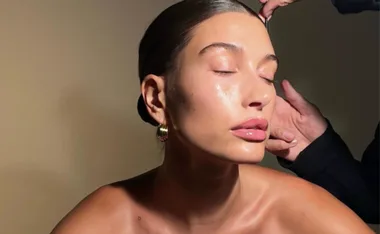

Despite this, the buttery balm as a moisturiser has a cult-like following on TikTok, with #beeftallow showing more than 139.8k posts. Additionally, model and influencer Nara Smith — who is best known for her tradwife content — says she uses the ointment.
In fact, many users claim beef tallow is a miracle for those with eczema – but is it worth the hype?
Here, WHO chats to the founder of Fresh Face Skin, Amelia Goff, to cut through the fat…

What are the benefits of beef tallow as a moisturiser?
Beauty buffs often tout the benefits of fatty acids in skincare, and this is beef tallow’s drawcard.
“[Beef tallow is] rich in saturated fats and conjugated linoleic acid – which may help soften dry skin, mimic our natural oils and support a healthy skin barrier,” she explains.
“It also contains vitamins A, D, E and K for antioxidant protection and skin repair.”
So who should be using beef tallow? According to Amelia, those with dry skin could benefit from the rendered fat’s natural nourishing properties.

What are the risks of using beef tallow in skincare?
The benefits of beef tallow might sound promising; however, the peer-reviewed research supporting its use in modern dermatology is limited.

“While tallow acts as an occlusive to lock in moisture, it doesn’t offer the targeted hydration or antioxidant support that other well-formulated plant oils and humectants like hyaluronic acid provide,” Amelia notes.
Suppose you want to support long-term skin function. In that case, Amelia stresses safflower, rosehip or jojoba oil can assist in barrier repair.
Alternatively, hyaluronic acid is the ultimate option for drawing and holding water in the skin.
In not-great news for those with oily or combination skin types, beef tallow has comedogenic – or pore-clogging – potential.
“Its heavy, waxy texture creates a film on the skin, trapping bacteria and triggering breakouts in those who are more prone to them,” she explains.
“There’s also the question of stability and contamination because tallow is an animal-derived fat.”
The result? The high probability you’ll be navigating skin irritation, congestion and increased greasiness (read: our personal idea of hell).
The bottom line
While beef tallow’s lipid-rich profile might contribute to skin’s moisture, it doesn’t do anything to actively restore a compromised skin barrier.
“There’s also no strong evidence that it supports the skin’s microbiome,” she adds.
“In fact, because it can create an occlusive layer and lacks bioferments or prebiotic ingredients, it may disrupt the natural flora in sensitive skin, making sensitivity worse in some cases.”
As a result, ceramide-rich formulations, omega fatty acids, or probiotic or prebiotic blends may be a more beneficial – and tried and tested – way to treat your dry skin.
In short: save the tallow for cooking.

