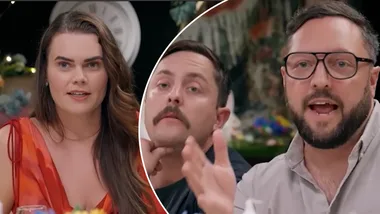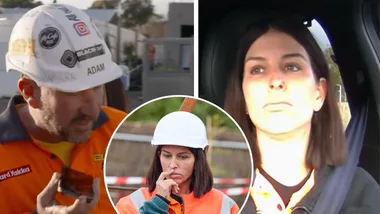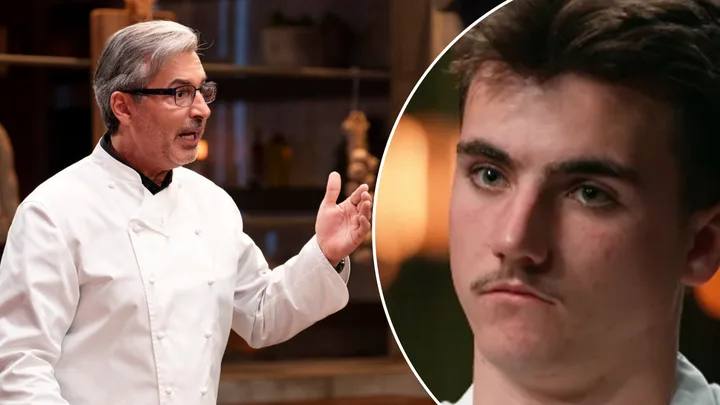
We may be nearing the end of the MasterChef season, but, sadly, the negative online commentary from fans is far from over. From hygiene complaints and criticism over judges’ outfits to accusations of budget constraints and unfair eliminations, the backlash seems to have peaked this year.
When the 2026 season began, fans were up in arms about judges not tasting every dish and the credibility of certain guest judges. As it progressed, fans went on to accuse production of giving contestants such as Grace King and Annabel Lloyd the “Laura Sharrad edit”, claiming favouritism is ruining the show.
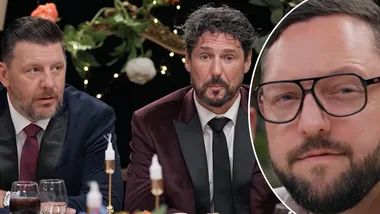
Judge and MasterChef alumnus Andy Allen was also caught in the firing line a lot this season – critiqued for his harsh feedback and supposed bias – particularly as rumours of his replacement spread. He was viewers’ latest victim during Level Up Week as many called him “annoying” and doubted his skills as a chef.
While the negativity is certainly not from all the fans, with many asking for more “respect” and kindness towards a show as wholesome as MasterChef in groups on social media, the backlash this year has been enough to make contestants, both past and present, notice.
‘Online trolling’ has only gotten worse
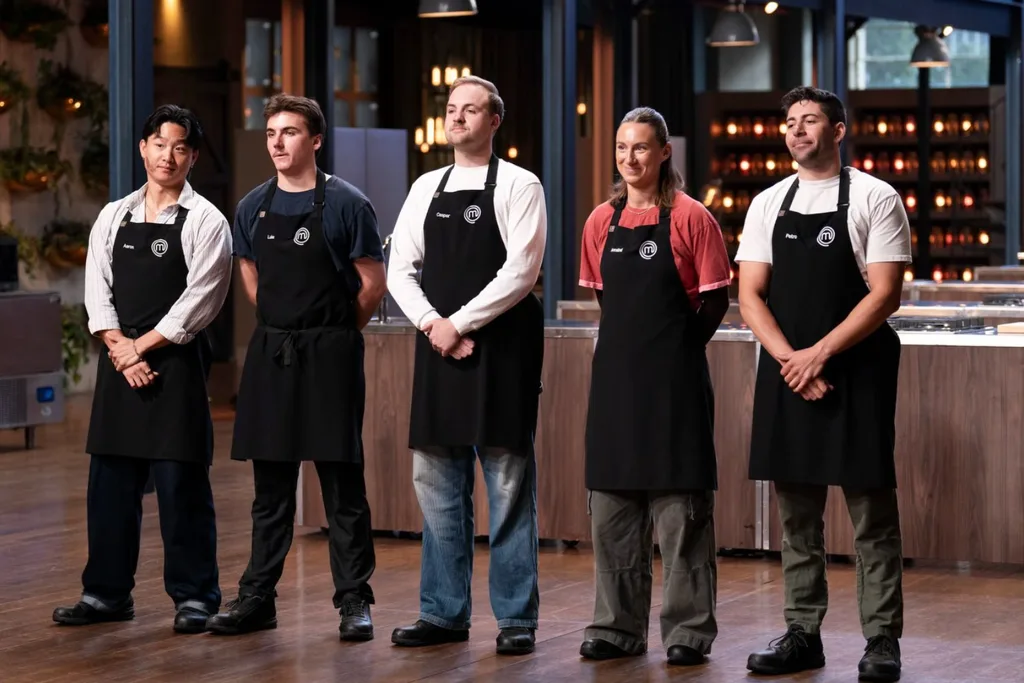
Laura Sharrad, winner of MasterChef Australia 2025, spoke to WHO earlier in the season about how the “online trolling” has worsened.
“I feel like it’s getting worse,” she admitted. “I found last year’s season was so bad, the online trolling was insane. And this year as well, everyone has a problem.
“It’s meant to be this beautiful, nice, wholesome show where everyone is genuinely friends with each other and so supportive. And there’s this camaraderie in the process. You live with each other, you’re coming to work every day with each other, you’re cooking alongside each other, you go through all the emotions together. And I think it’s a real shame because it is such a supportive environment and then the online side of things is quite nasty.”
The chef also commented on how “being a young woman” makes the backlash ten times harder, but advised contestants to just “ignore” the negativity and trust in their talent and the protection that production provides.
‘It’s kind of funny how a show can bring such emotion out of people’
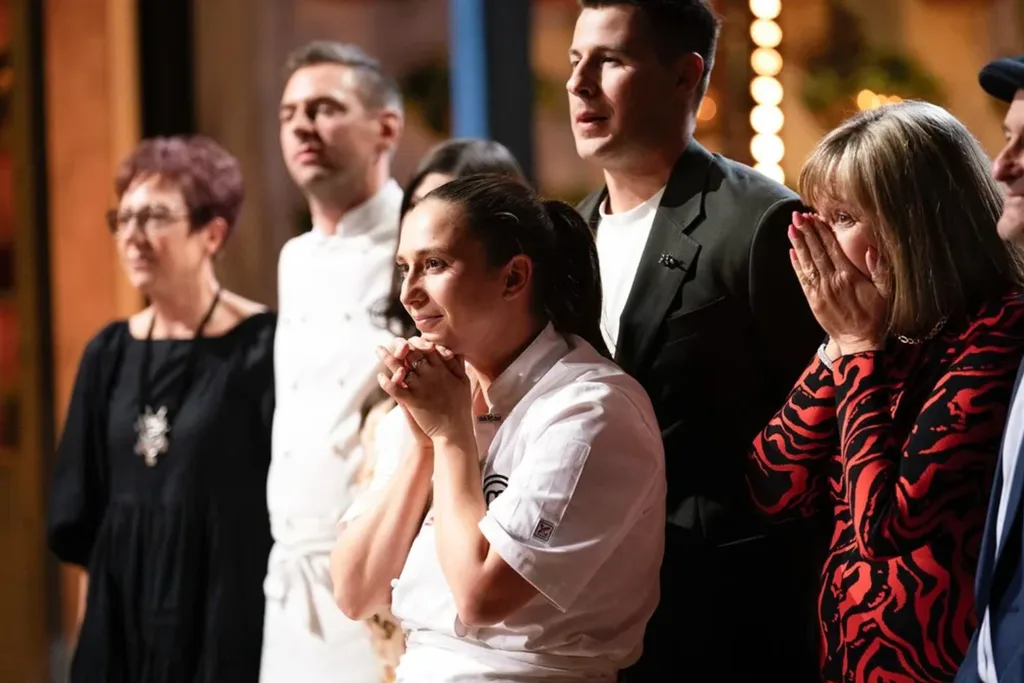
Speaking to WHO after his elimination on July 20, Luke opened up about having a similar approach to Laura when it came to online hate this season. He admitted that while he was “warned” about the backlash online, the negativity ended up affecting his family more than himself.
“I’m not very active online, but everyone I’ve met in person has just been so lovely,” he said. “We were warned about who might be negative, but I must say, everyone I’ve met has been really lovely.
“I haven’t struggled with it so much because I haven’t really read a whole lot of it.”
The young contestant explained that his friends and family have been reading the negativity online, and really “struggled with it”.
“They get kind of grumpy,” he said. “It’s kind of funny; they send me stuff and say, ‘You know, this is so-and-so,’ and I’m thinking, ‘Oh, that’s funny, I didn’t know I was doing this or that.’
“Anything people write online, unless it’s personal, if it’s about the competition, I don’t really mind.”
He also added that he could sympathise – in a way – with the emotional reaction fans have been having after being a fan of the show for his whole life.
“As someone who has been a big fan of the show for a long time, and has now been a contestant, I’m also someone who really cares about the show, and I just love it,” he added. “And I think that’s why it’s such a polarising show online, in that people just really love contestants… and it’s funny how a show can bring such emotion out of people.”

Related stories
Native ad body.
Native ad body.
Native ad body.