

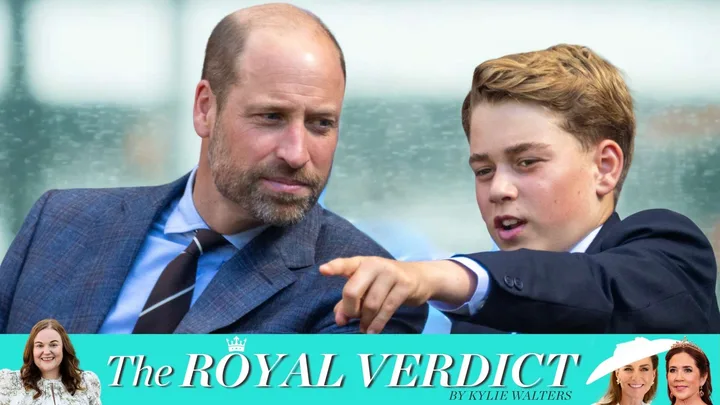
 Getty
Getty
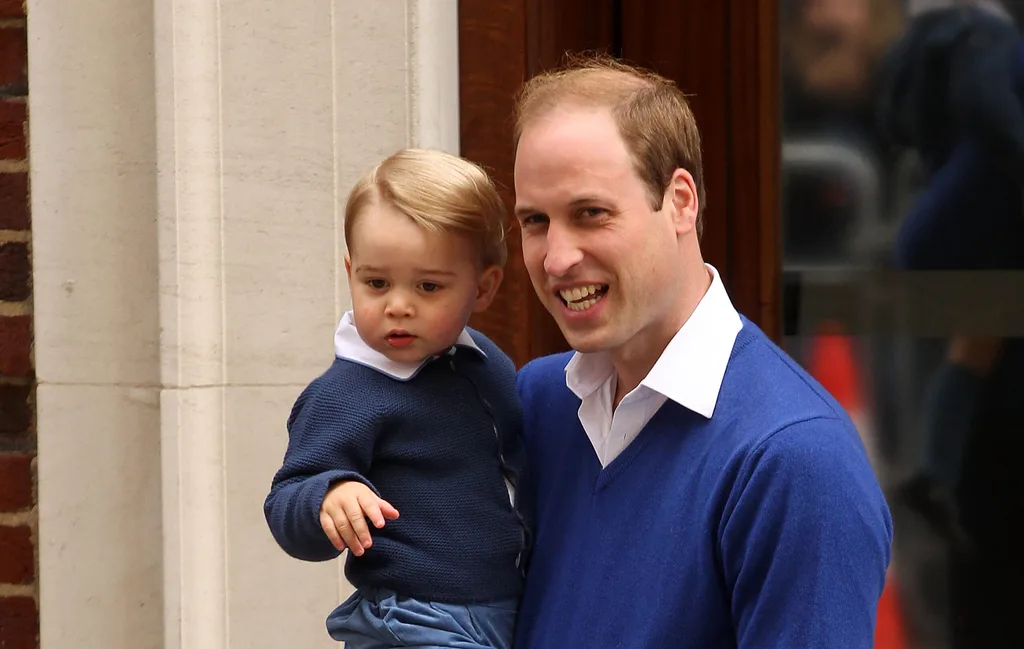
It feels like just yesterday that a newborn Prince George was carried out onto the steps of the Lindo Wing, the day after his birth. Now he is 13.
And while Prince William has confirmed that change is firmly on his agenda, one of his most significant legacies may be how he and Princess Catherine have reshaped royal parenting for the next generation.
After growing up in an unhappy home where boundaries were often crossed, William has been determined to give his children a different start in life, one that better prepares them for what lies ahead.
As George steps into his new chapter, it’s clear that approach is working.
A new era begins
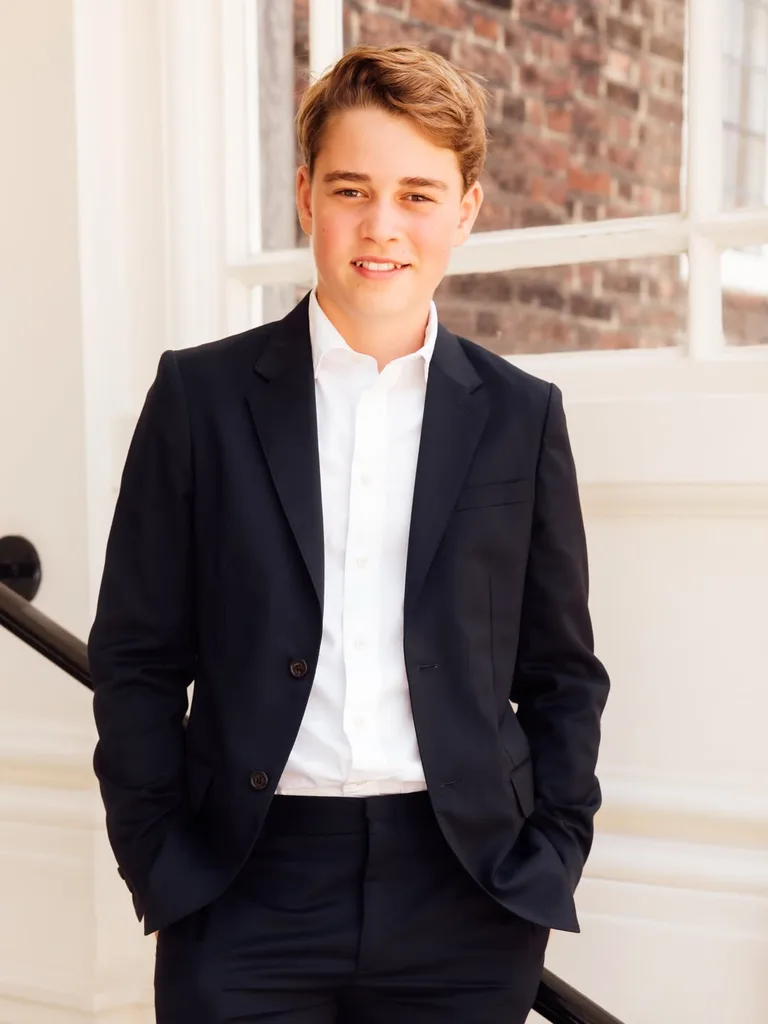
A new portrait shared by the Prince and Princess of Wales for their elder son’s birthday on July 22 shows a young man on the verge of adolescence.
“Happy 13th birthday, George!” the image, taken at Kensington Palace in June, was captioned.
A more relaxed video was also released, showing George running barefoot along the beach, climbing rocks and playing cricket with Princess Charlotte, 11, and Prince Louis, 8.
It’s a rare glimpse of a childhood that feels both modern and intentionally grounded.
Turning 13 also signals another major milestone, with George set to start high school in September. It has been confirmed he will follow in his father’s footsteps and attend Eton College, where William studied from 1995 to 2000.
To prepare for boarding life, George has already been doing occasional overnight sleepovers at Lambrook School since the family moved to Windsor in 2022.
And with Forest Lodge — William and Catherine’s new “forever home” — just a short drive from Eton, their eldest will still come home on weekends.
That detail matters. It reflects a parenting choice at the heart of the Wales family’s approach to provide proximity, stability and emotional presence.
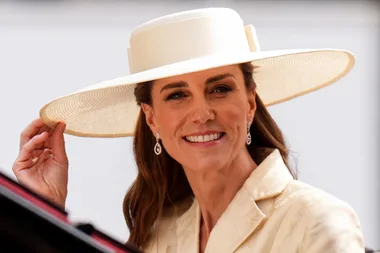
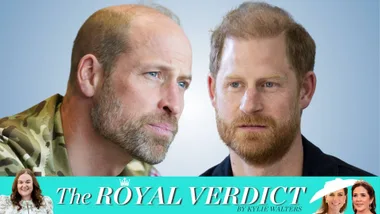
William’s childhood left him determined to do things differently
William grew up watching his parents’ marriage crumble under the strain of public life and incompatibility.
His father tried his best but often struggled to express emotion, placing duty first.
His mother, Princess Diana, rejected the traditional distance of royal parenting, showering her sons with affection — but the lines between parent and confidante were sometimes blurred as she leaned on William for emotional support.
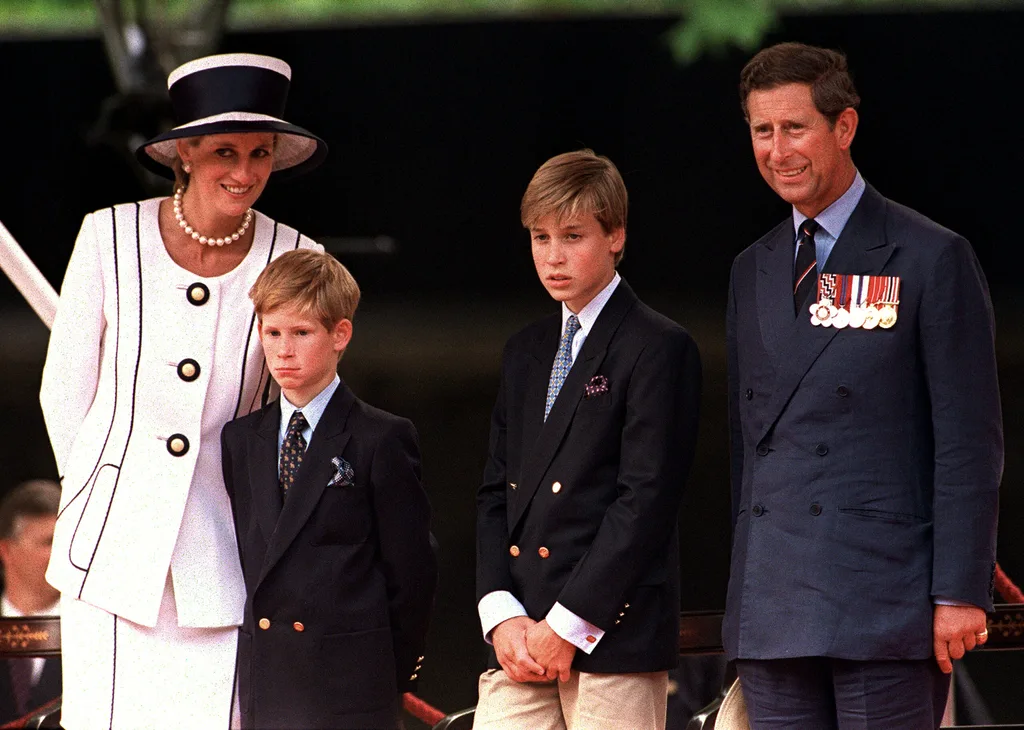
He and Prince Harry were sent to boarding school while both Charles and Diana travelled extensively.
George, by contrast, has benefited from William’s recalibrated approach from the very beginning.
From his Middleton in-law’s William learned how to provide stability and a hands‑on parenting approach, that has been the foundations of George’s childhood.
William and Catherine moved their family to Windsor to give their children a quieter, more private upbringing than London could offer. They prioritise being on hand for their children’s activities by doing school runs and attending sports days.
“It has definitely been their main priority to provide as strong and stable an environment for their children as possible,” royal commentator Russell Myers tells me.
William’s determination is rooted in experience. He has seen how upbringing shapes outcomes. He has lived the consequences of emotional distance.
And he is acutely aware of how the heir‑and‑spare dynamic has fractured royal families across Europe — including his own.
A future king in training
From the time he clung to his father’s hand and hesitated to wave to the press while visiting Catherine and newborn Charlotte in 2015, it was clear George was a sweet, sensitive child who may have struggled with the spotlight.
Now officially a teenager, he is described by a family friend to the British Telegraph as “incredibly down‑to‑earth” while also being “aware of his future”.
He is further called a sporting all‑rounder, a surprisingly good artist, and — crucially — a boy being raised with the confidence to grow into his role rather than be consumed by it.
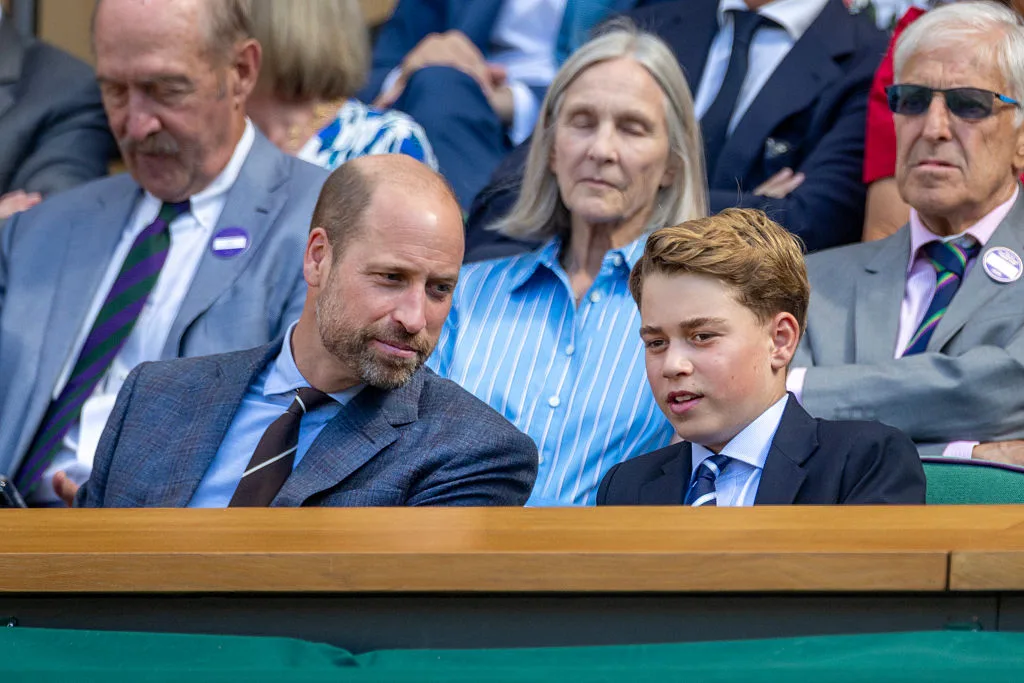
George’s public role has already begun to shift. In 2025, he undertook several high‑profile engagements without his younger siblings — a subtle but unmistakable sign of his position.
At a tea party marking the 80th anniversary of the end of WWII in Europe, a D‑Day veteran praised his poise: “You should be very proud,” Alfred Littlefield told William.
Later that year, George made his debut at the Festival of Remembrance, accompanying Catherine while William travelled back from The Earthshot Prize. It was a solemn, high‑stakes moment, the kind that teaches a young royal how to carry themselves under scrutiny.
“The type of work they do isn’t something you can learn in a classroom,” esteemed royal biographer Andrew Morton tells me. “The only way to learn it is by doing it and shadowing more experienced family members.”
George is learning the ropes the same way William once did, but with one crucial difference. He will never be alone.
The end of the ‘spare’ problem
During the family’s Christmas Day walkabout in December, George was approached by an emotional Diana fan who told him, “Granny Diana would be ever so proud of you.”
It was the kind of moment that could unsettle any child. George kept smiling. Charlotte gently placed a reassuring hand on her brother’s back.
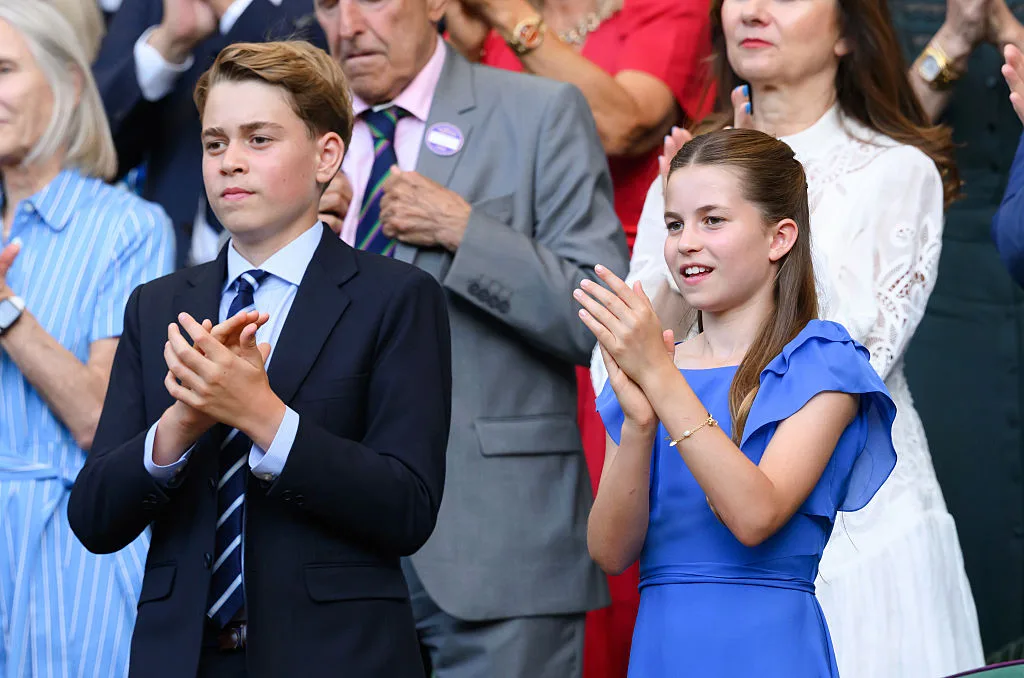
“She is her brother’s wingwoman,” Morton says. “She is really stepping into that supportive role.”
William and Catherine are determined that none of their children will be left to make it up as they go along, leading to jealousy or feeling unfulfilled.
George and Charlotte will have clearly defined roles. Louis will have more freedom. The heir‑and‑spare dynamic — long a source of tension in royal families — is being rewritten in real time.
William’s vision for the monarchy George will inherit
William has made it clear he wants the Palace to become more open and accountable by the time George succeeds him.
“Change is on my agenda — change for the good,” he said recently. “I want to create a world in which my son is proud of what we do.”
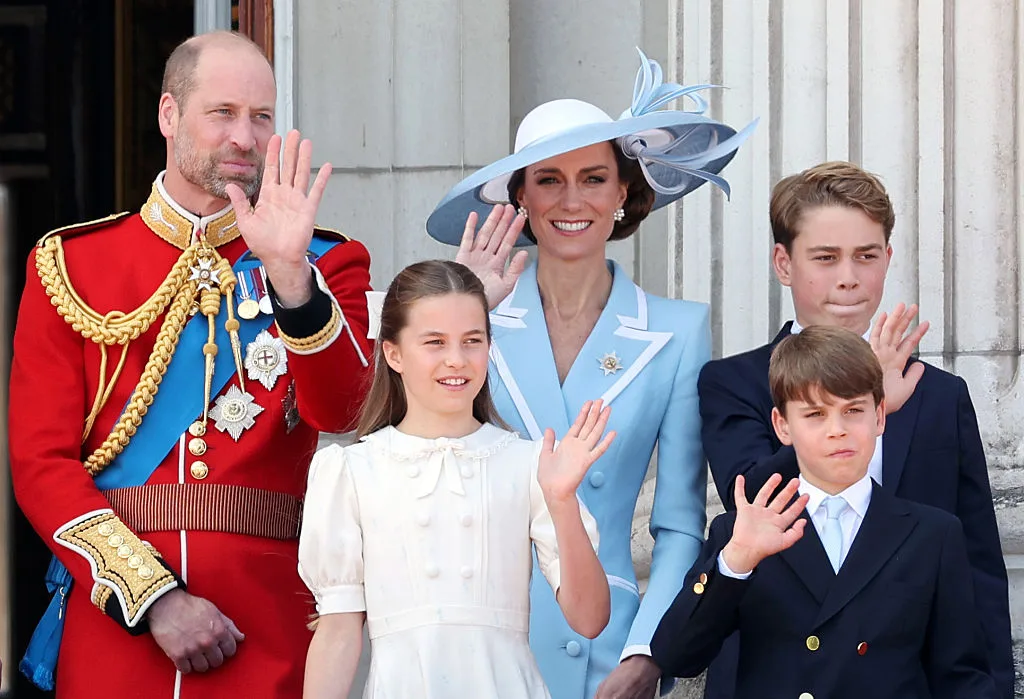
That vision is already being passed down. Last December, George helped William prepare a Christmas lunch for the homeless at The Passage, echoing the moment Diana first introduced William to the charity at age 11.
“I see William passing on those very important lessons of compassion that he learned from Princess Diana to George today,” the former Princess of Wales’ confidante Paul Burrell tells me.
“These are the skills George will need when he is King.”
The true measure of William as a father
The portrait released for George’s birthday shows a boy who looks happy, relaxed and at ease. He is a teenager who has been allowed to grow up, but not forced to grow up too fast.
Eventually, William’s legacy as a father won’t be measured by school choices or public engagements.
It will be measured by the quiet, day to day steady work he put in raising a child who understands both the privilege and the pressure of his future without being consumed by either.
George’s new era begins with high school. William’s began the moment he decided his children wouldn’t inherit the childhood he had and the monarchy is all the better for it.
Read more expert opinion and analysis in WHO’s The Royal Verdict with Kylie Walters here.

