

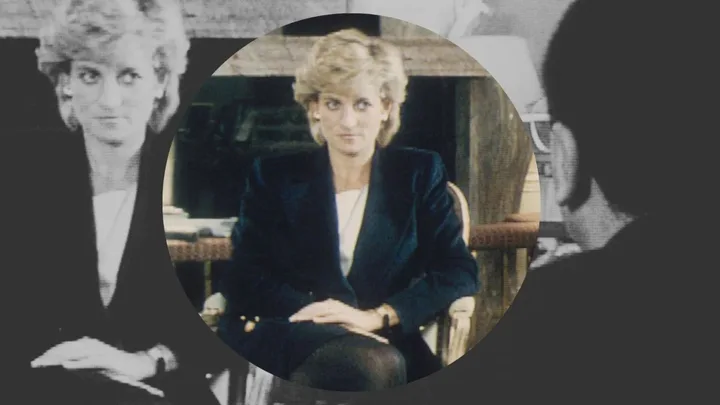
Thirty years after Princess Diana famously declared “there were three of us in this marriage”, her Panorama tell‑all remains one of the most explosive interviews ever broadcast.
However, the full extent of the lies told by journalist Martin Bashir to secure the scoop – and the lengths the BBC went to in order to conceal his misconduct – are still emerging.
“There were serious repercussions from that interview for Diana,” investigative journalist Andy Webb told WHO. “It’s fair to say you can draw a line from the moment it aired to her death two years later.”
The lies that pushed Princess Diana toward a Panorama interview
On November 20, 1995, millions watched as Diana spoke with unprecedented candour about her bulimia, her struggles with self-harm and her crumbling marriage.
Most shocking of all, she questioned whether Charles was suited to be King.
“[It] would bring enormous limitations to him, and I don’t know whether he could adapt to that,” Diana said.
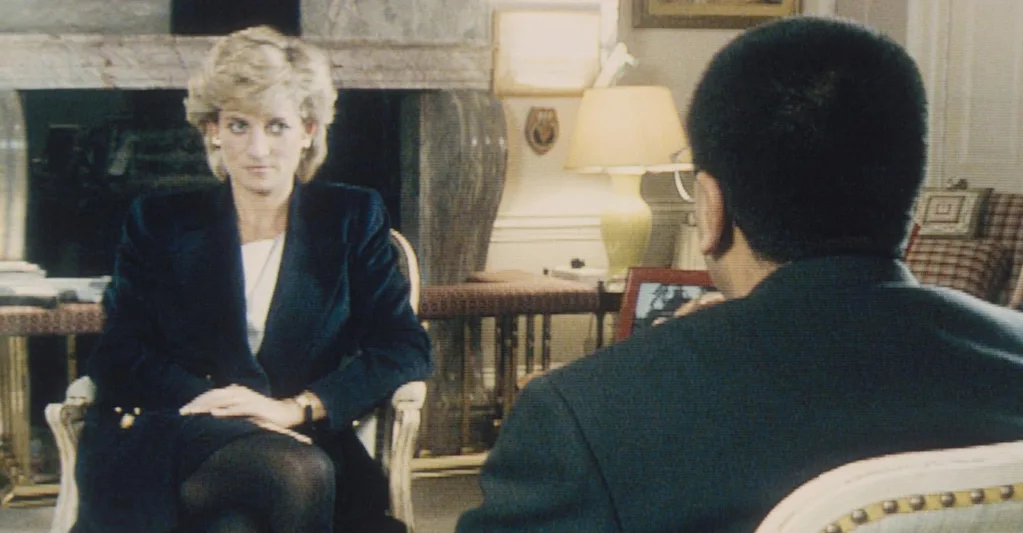
In 2021, an independent inquiry led by Lord John Dyson found that Bashir used “deceitful” tactics to win Diana’s trust.
These included showing her forged bank statements that falsely suggested her closest aide, Patrick Jephson, was spying on her.
Dyson also concluded that the BBC’s 1996 internal investigation into Bashir’s conduct was “woefully ineffective” – a characterisation that Webb, whose reporting on the scandal sparked the probe, firmly disputes.
“The BBC investigation was actually highly effective,” Webb explained. “They knew within a matter of months that Bashir had forged documents and that he was a liar. But, rather than admit the truth, they covered it up and Diana died not knowing what happened.”
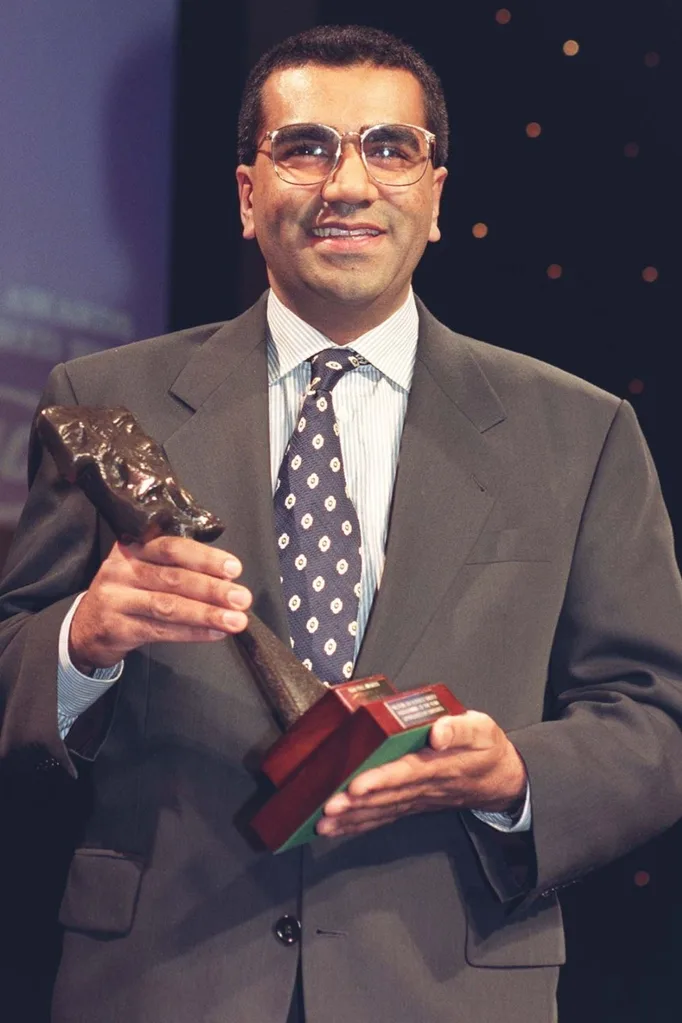
Webb’s investigation – detailed in his new book, Dianarama – revealed that Diana believed the stakes were life or death.
Told by Bashir that her estranged husband would become King Charles within months, she feared he was plotting to have her killed.
The interview, she believed, was her only protection.
Diana’s tragic death could likely have been avoided, Webb said
Just weeks after the program aired, Queen Elizabeth II wrote to both Charles and Diana urging them to divorce.
Jephson resigned in early 1996, unaware that forged documents had poisoned Diana’s trust in him. In the months that followed, increasingly isolated and suspicious, Diana dismissed more staff, including her driver.
“The loss of Patrick Jephson can’t be overestimated,” Webb said. “He was her voice of reason, the one who kept everything on track. Without him, her life became increasingly untethered.”
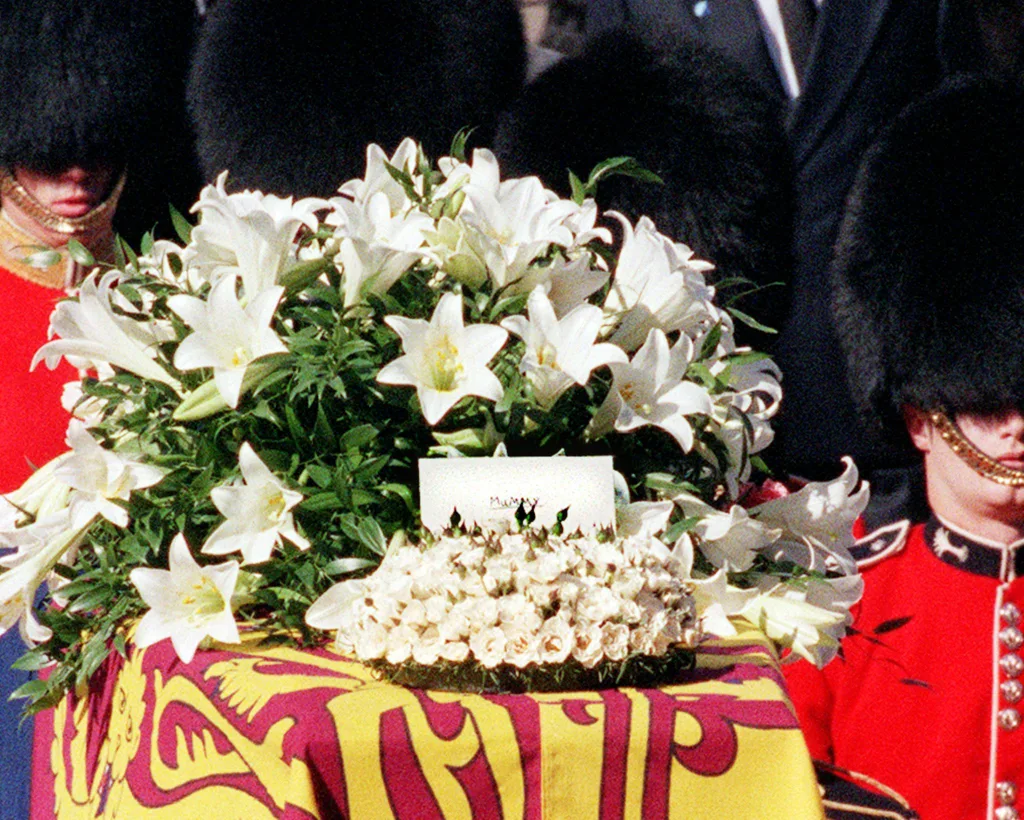
Webb believes that if Jephson had remained as Diana’s private secretary, it is “almost impossible” to imagine her dying at 36 in the car crash in Paris.
“She wouldn’t have been racing around France, being driven by a drunk driver with inadequate security,” he said.
“Her life would have taken a very different course. She could still be alive today, a loving grandmother of five.”
Prince William calls out BBC for fuelling Diana’s ‘paranoia’
Bashir quietly retired before the Dyson findings were released.
The BBC later issued a public apology and paid out a “substantial sum” to those harmed by the deception, including Jephson, who donated the money to charity.
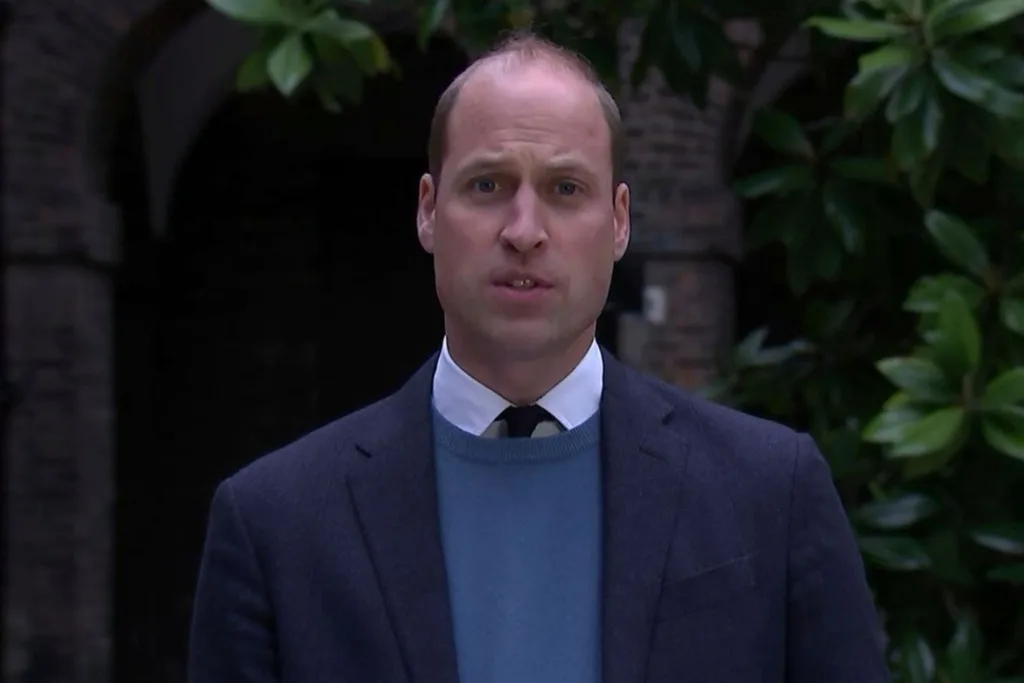
But no individual has ever been held personally accountable – something Webb said remains “an open wound” for Diana’s elder son.
“The interview was a major contribution to making my parents’ relationship worse and has since hurt countless others,” William, 43, said after the inquiry.
“It brings indescribable sadness to know that the BBC’s failures contributed significantly to her fear, paranoia and isolation that I remember from those final years with her.”
Webb feels that when the prince becomes King, even more could come out.
“I don’t see William letting this go,” he warned.
Purchase Dianarama by Andy Webb here.

