

 Getty
Getty
After stepping down from royal duties, there was a moment when it looked like Prince Harry and Meghan Markle might get away with doing things entirely on their own terms.
Their April visit to Australia suggested they had found a way to blend charitable engagements with commercial opportunities, with a level of public interest that made their hybrid model viable.
But Harry’s recent trip to England proved that the illusion has cracked. The Duke of Sussex was left visibly emotional over disputes concerning his security and a rescinded offer to stay at Buckingham Palace.
The drama surrounding the journey only damaged his reputation further and overshadowed his long‑awaited reunion with the King.
Today, Harry and Meghan are living two very different versions of post‑royal life. And the sad part is their working lives now closely resemble an offer they once had from King Charles, which could have saved them a lot of heartache and given them everything they wanted.
The early offer that could have changed everything
Long before the drama of Megxit, the Oprah tell‑all or the family revelations shared in Spare, the then-Prince Charles floated a suggestion to the newly engaged Harry and Meghan that now looks like the only structure that would ever have worked.
In his memoir, Harry recalls a conversation where his father asked whether Meghan planned to continue acting.
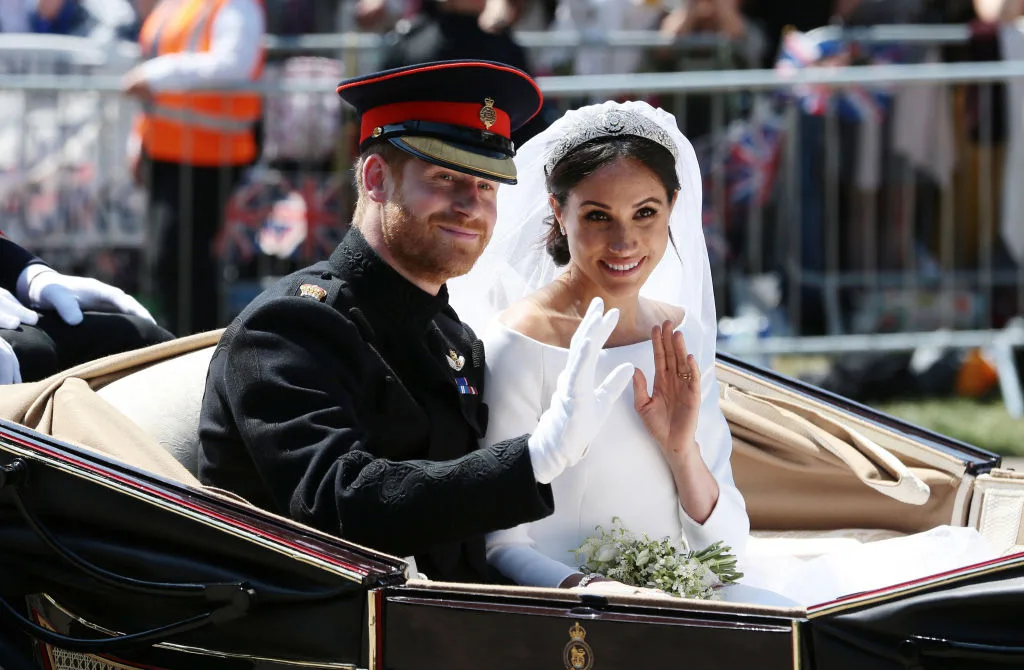
“‘Well, darling boy, you know there’s not enough money to go around,’” Harry wrote was Charles’ response. “I can’t pay for anyone else. I’m already having to pay for your brother and Catherine.”
Harry bristled at the idea, insisting they were a team and should operate as one, with Meghan joining him in a fulltime working royal role.
But the offer was, in essence, a workable blueprint that would have seen Meghan maintain her independence while Harry continued with royal duties.
Rather than their longed‑for but unworkable half‑in, half‑out model, a one‑in, one‑out approach offered stability, security and clarity.
A title with no purpose
Six years on, Harry still cannot let go of the identity he believes is his birthright.
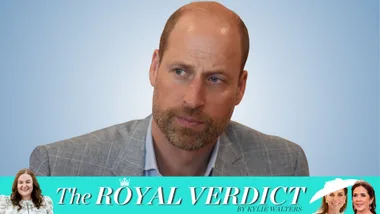
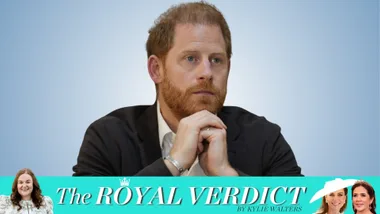
When asked on the Joe Marler Will See You Now podcast what his job was, he answered immediately: “Prince of England.”
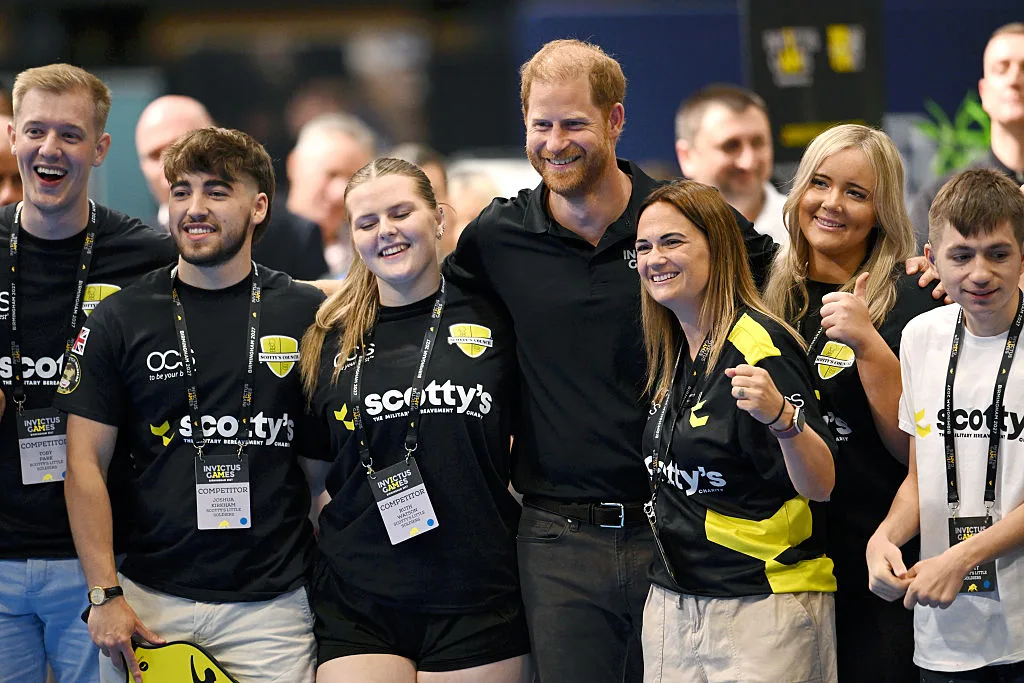
His response is telling. Harry is most fulfilled when he is doing quasi‑royal work with the Invictus Games, HALO, veterans’ charities and hospital visits.
He thrives in the structure and symbolism of monarchy, even though he no longer holds an official role within it.
His recent UK visit have made it clear that he still wants access, recognition and the respect afforded to a senior royal.
But without being a working one, he cannot have the security, status or institutional support he still expects.
A new direction
Meghan’s trajectory is entirely different. While much of her time now seems to be spent baking in the kitchen, she has learned that she can’t have her cake and eat it too.
In Australia, I saw firsthand how quickly she shed her royal identity. “Just call me Meg,” she said repeatedly, distancing herself from criticism that she was trading on her title.
Harry, by contrast, expected the deference associated with a high‑ranking royal. Their approaches could not have been more different.
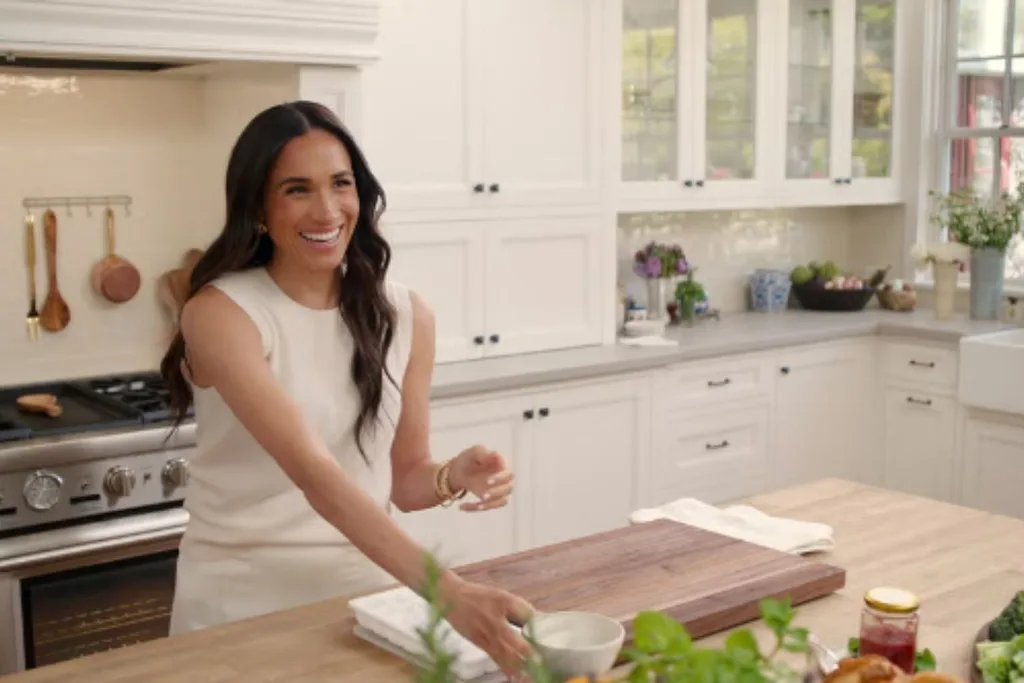
While Meghan has joined Harry on their overseas jaunts dubbed “faux-royal tours”, they aren’t her focus.
Meghan’s MasterChef Australia episode airs on July 26. And while her With Love, Meghan series might be cancelled, she can celebrate that it has earned an Emmy nomination.
Meghan has been carving out a career path for herself in front of and behind the camera and getting her As Ever lifestyle business, born out of her pre-royal blog, The Tig, up and running.
The funds from these ventures are what her family will come to rely on to pay their way in the future.
There is a lot of pressure resting on Meghan’s shoulders, but there could have always been a much easier way.
The model they should have chosen
If Harry had hoped that the monarchy would miss his star power and give him whatever he wanted on a silver platter to entice him back, he was very wrong. The palace and the system are not bending, and the British public barely cares.
With the half‑in, half‑out fantasy collapsing, the unavoidable question becomes: was the solution always to be one in, one out?
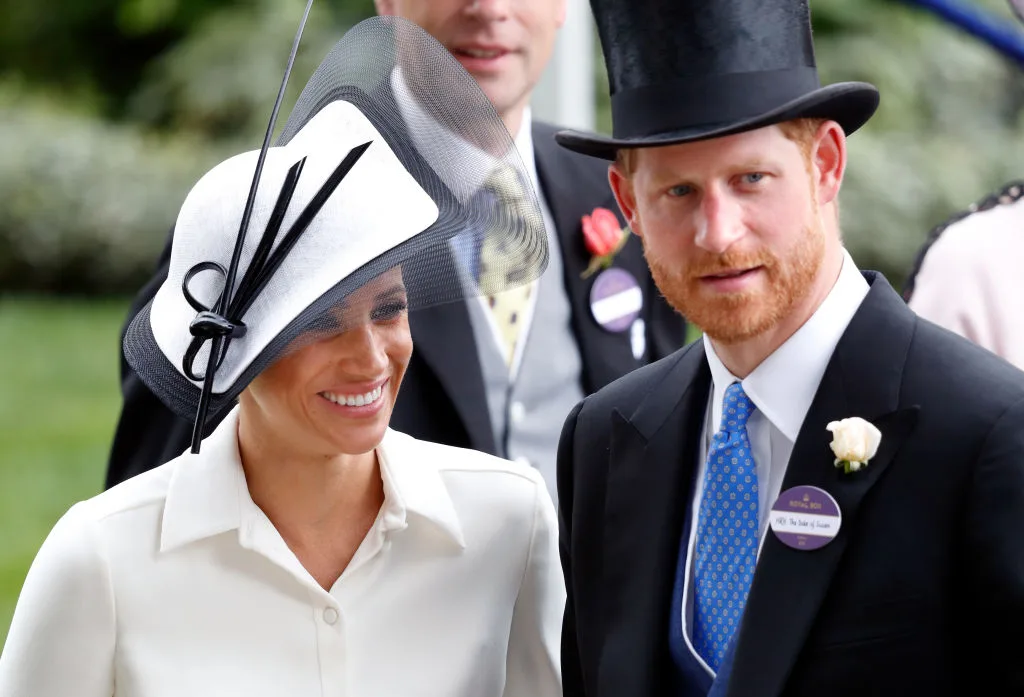
This would have allowed Harry to continue his royal duties while Meghan pursued her creative career. They would have kept their taxpayer‑funded security, their royal residence and his salary from the Sovereign Grant would have provided them with some financial stability, meaning they didn’t need to burn through his inheritances.
Meghan could have taken her time getting her projects up and running without using her Duchess title, but still been invited to play a role in major events like Trooping the Colour or Royal Ascot without controversy.
They would have even been welcome guests at the wedding of Harry’s cousin Peter Phillips to Harriet Sperling in June.
It would have given them everything they want now, without the chaos that followed their departure.
And it was offered to them before they even said “I do.”
The cost of independence
Harry may have gained some freedom, but it came at a price, which he may one day come to realise was to high.
His relationship with William is beyond repair, while tensions with the King remain, even after their reunion.
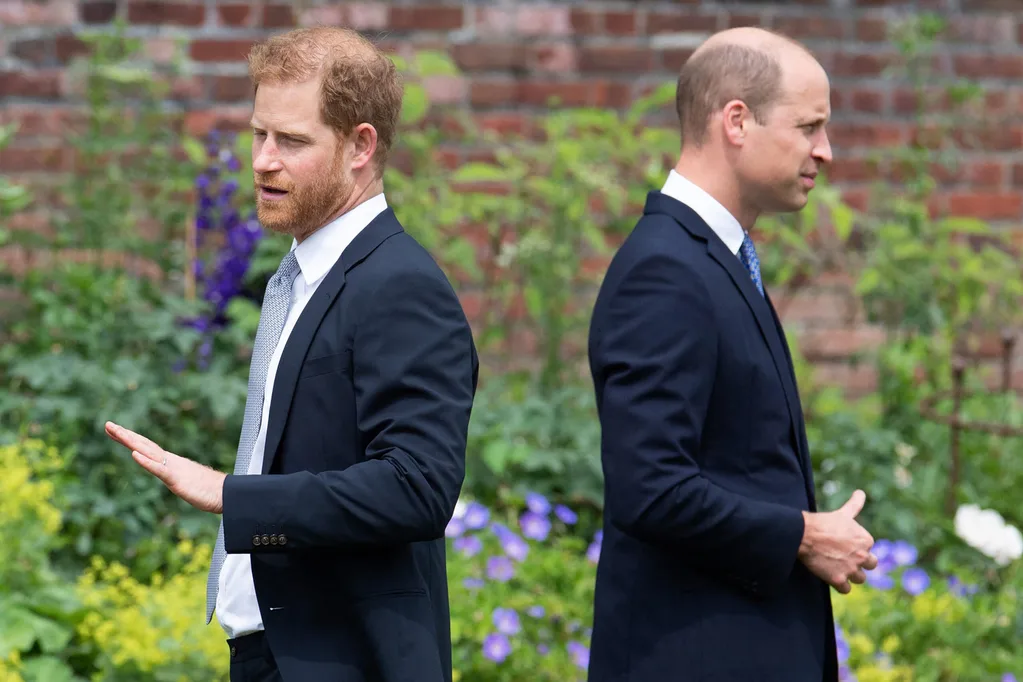
His drama overshadows his good work. And the half‑in, half‑out model he clung to has finally collapsed under its own contradictions.
Harry and Meghan haven’t split as a couple, but professionally they are worlds apart. And in that divide lies the truth the monarchy understood from the beginning but Harry could never quite grasp.
You can’t be half a royal. You’re either in or you’re out.
Read more expert opinion and analysis in WHO’s The Royal Verdict with Kylie Walters here.

