

 Getty
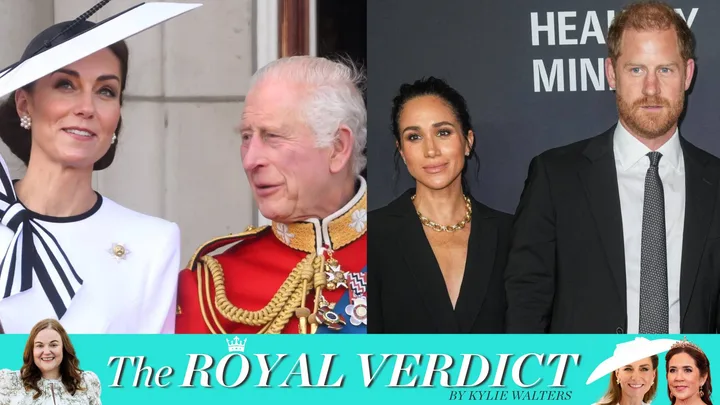
Prince Harry and Meghan were supposed to be the Windsors who conquered the screen. But as 2026 draws to a close, it is the Prince and Princess of Wales and King Charles who have pulled off a trifecta of high-profile streaming projects to air in the final weeks.
Princess Catherine’s deeply personal documentary Heal, exploring her experience with cancer and recovery, airs in the UK on November 29 before screening on Channel 9 at 7:30pm AEDT in Australia on December 1.
Prince William follows with his star-studded Earthshot Prize ceremony in India arriving on Prime Video on November 30, while on Boxing Day King Charles joins Idris Elba in The Trust, a Netflix documentary charting the extraordinary 50-year legacy of the charity he founded.
Along with Februarys Finding Harmony: A King’s Vision and the annual Christmas Eve airing of Kate’s Carols service, that brings the royals tally to five.
Meanwhile, the Duke and Duchess of Sussex, who made producing content central to their post-royal lives, have so far released no comparable new streaming project this year.
It presents an intriguing reversal. Harry and Meghan were among the first royals to recognise the power of streaming to bypass traditional media and connect directly with a global audience.
Now, are the senior working royals beating them at their own game?
Royalty on screen
For centuries, the royal family has understood that visibility matters. But in 2026, being seen increasingly means appearing somewhere very different from the Buckingham Palace balcony.
“There’s a potential that actually people will kind of see them as more modern, more human, more relatable,” University of New England cultural historian Dr Lisa Hackett tells me about the upcoming programs.
Streaming presents a huge opportunity to close some of the distance between royalty and the public. History, however, suggests there is danger in letting viewers get too close.
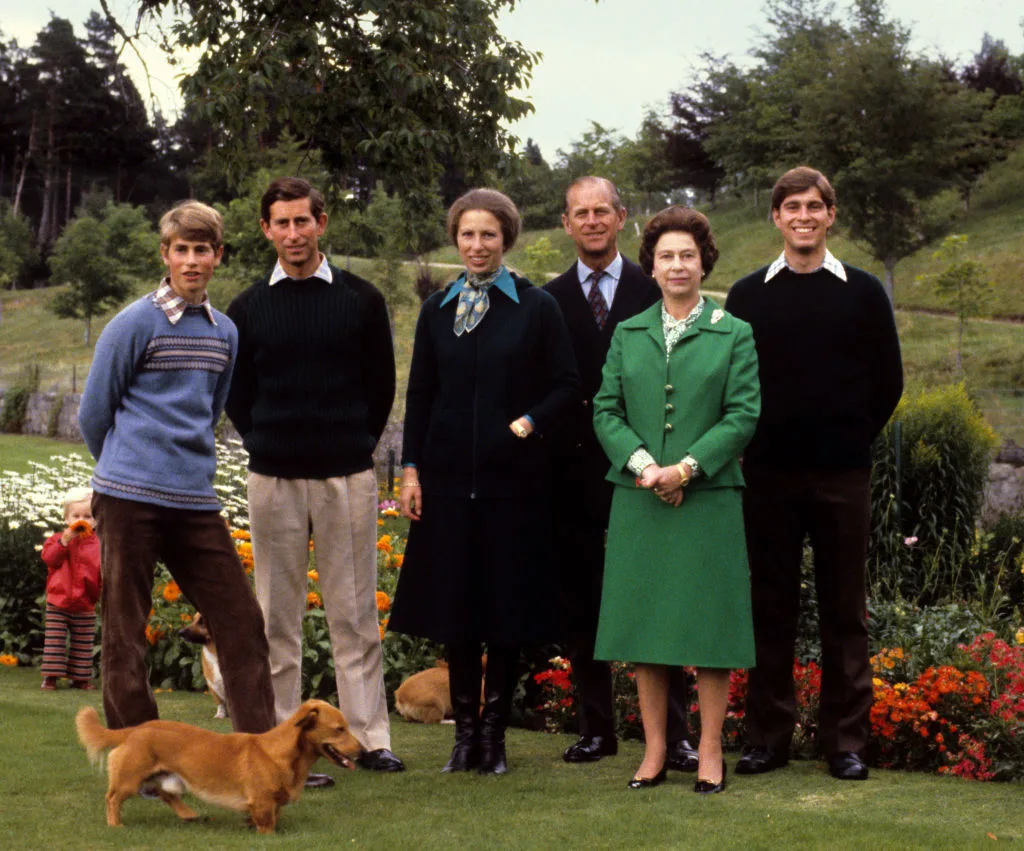
Queen Elizabeth famously regretted allowing cameras behind palace doors for the landmark 1969 documentary Royal Family, which offered an unprecedented glimpse into the Windsors’ private world.
Then came the disastrous 1987 It’s a Royal Knockout. Starring Prince Edward, the former Prince Andrew, Princess Anne and Sarah Ferguson alongside a raft of celebrities, it raised money for important causes but was widely ridiculed.
“It was for charity, but it just seemed to not bring over quite the right image,” Hackett says. “I think it depends how it’s done.”
The Palace appears to have learnt an important lesson since.
Rather than inviting viewers behind gilded gates simply to see how the Windsors live, its new offerings are overwhelmingly about what they do.
Princess Catherine’s documentary Heal
Few modern royals have had the boundaries between public interest and private life tested as brutally as the Princess of Wales.
When Catherine disappeared from public view following abdominal surgery in early 2024, the information vacuum was quickly filled by increasingly wild online conspiracy theories.
By the time she revealed her cancer diagnosis, speculation about everything from her appearance to her marriage had spread across social media.
Since then, the princess has largely dictated how much of her experience she wants to share, though not without criticism from those who believe she should have spoken more openly.

Heal provides the perfect solution for her. The documentary follows Catherine as she took on the Three Peaks Challenge earlier this year, tackling Ben Nevis in Scotland, Scafell Pike in England and Snowdon in Wales within 24 hours, with proceeds from the documentary’s distribution going to the Royal Marsden Cancer Charity.
“Cancer does change you,” Catherine says in an emotional trailer for the film. “It changes your body, it changes you physically.”
But rather than sitting opposite an interviewer and submitting herself to intensely personal questions, Catherine is allowing cameras in on her own terms.
“I think this is a way to let people in at a level she’s comfortable with,” Hackett says. “She’s been asked to take on this big responsibility, but she still has the right to a private life. This is a really good way for her to share the journey, to share that she understands without having to give everybody the gruesome details at the end of the day.”
King Charles’ documentary The Trust
For the King, television offers him a different opportunity.
Charles waited longer to become monarch than any heir apparent in British history. By the time he inherited the throne at 73, the public already knew an extraordinary amount about the controversies and heartbreaks of his private life.
What has been one of his greatest challenges is overcoming is the perception that he spent those decades simply waiting idle for the top job.
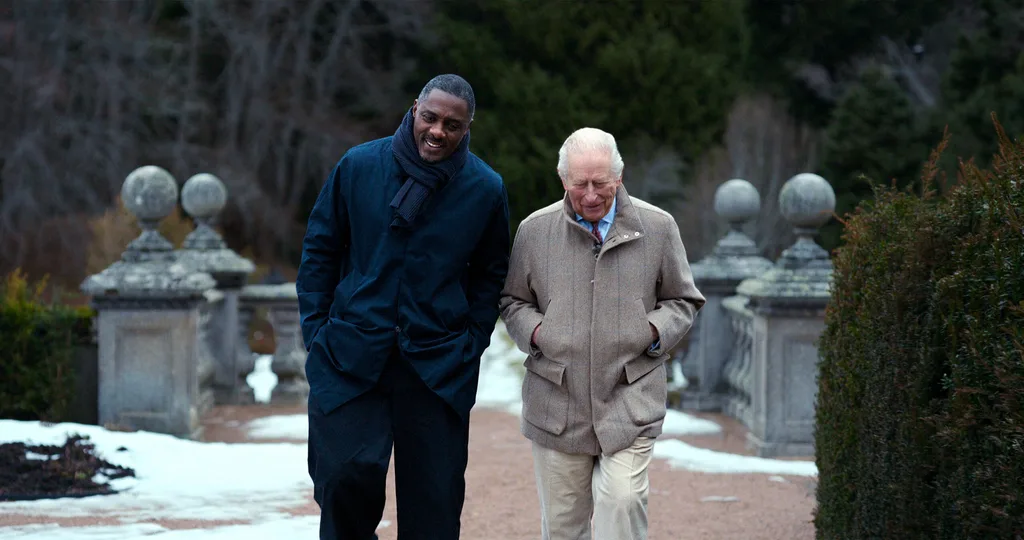
His Majesty established what was then the Prince’s Trust in 1976. Fifty years later, the organisation has helped more than 1.5 million young people.
Among them was Idris Elba, who received a £1500 grant as a 16-year-old that helped him attend the National Youth Music Theatre and begin a career that would make him one of Britain’s most recognisable actors.
For Charles, the challenge is not achievements to show from his lifetime, but making sure people understand the work he has done. That is where The Trust comes in.
“He’s got a short amount of time to create his own legacy,” Hackett says. “I think this is a way that he can show that he is different. And 50 years is a success story.”
Prince William’s Earthshot Prize ceremony
For Prince William, streaming is all about scale. It offers him the chance to go global.
Earthshot has become one of the most identifiable pillars of his public life and perhaps the clearest indication yet of the causes he wants associated with his eventual reign.
In India, William surrounded himself with names capable of attracting attention well beyond traditional royal watchers.
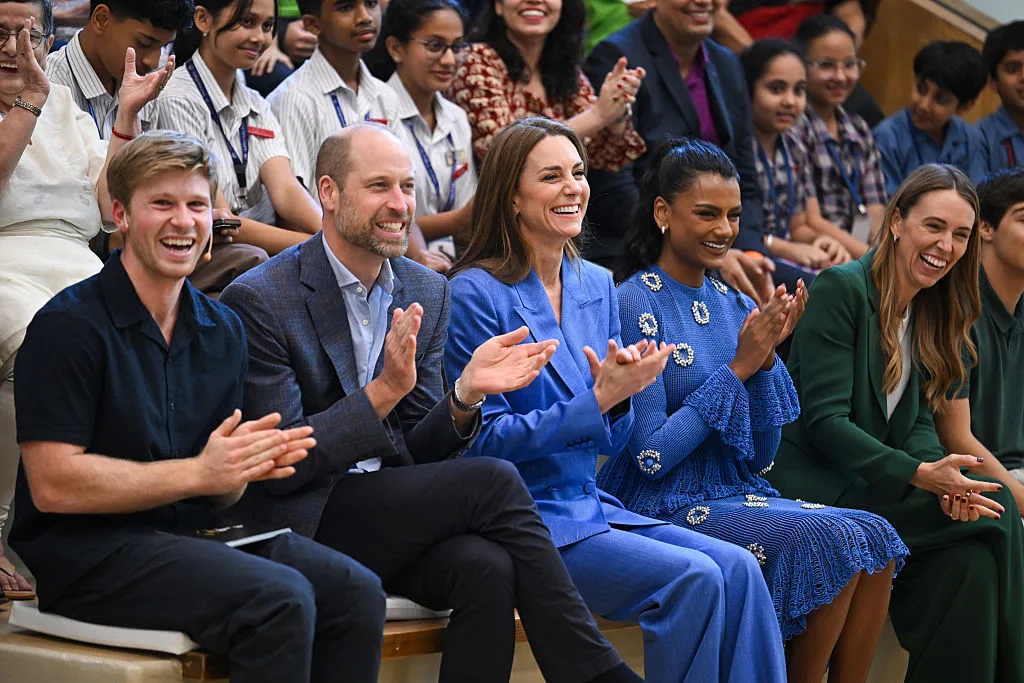
Robert Irwin and Simone Ashley joined a line-up of international and Bollywood stars, bringing their own audiences to his environmental cause.
“We also see the Royal Family as celebrity of a different sort,” Hackett says. “Celebrities promoting causes have always got people’s attention, so it’s a good mix. Royal celebrity, popular culture celebrity, to put them together to promote a cause.”
Taking the ceremony to Prime Video extends that reach even further. The audience sitting in the room on the night in Mumbai on the night ran into the thousands, but streaming gives William access to potentially millions more around the world.
The Sussex streaming paradox
In many ways, Harry and Meghan were ahead of the curve.
After stepping back as working royals, they recognised that streaming platforms offered enormous global audiences and the ability to communicate without relying entirely on the traditional royal press pack.
“Our focus will be on creating content that informs but also gives hope,” the couple said when announcing their Netflix deal in 2020, promising to shine “a light on people and causes around the world”.
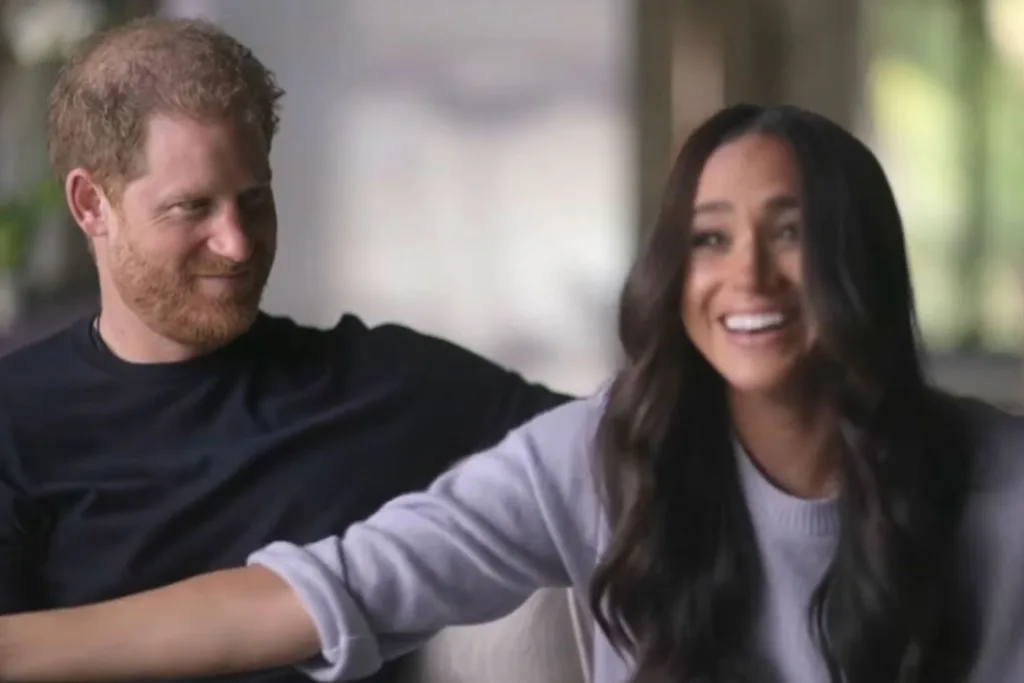
Their Netflix docuseries Harry & Meghan pulled in millions of viewers, but was far heavier on controversy than the hopeful programming they had originally promised.
Subsequent projects, including Meghan’s lifestyle series and Harry’s exploration of the elite world of polo, have struggled to make the same impact.
“There was a bit of reserve, and I think people kind of want to peek right behind the curtain, not just get glimpses,” Hackett says. “So I think maybe they just weren’t interesting enough. Even though you got a bit behind the doors, it didn’t really feel like you knew them.”
And therein lies the great irony of the Windsors’ streaming experiment.
It’s shown that perhaps the working royals don’t need to reveal more than Harry and Meghan to succeed on television. They may actually need to share less.
For an institution that has spent generations wrestling with how much daylight it should let in upon the magic, that could prove to be a useful distinction.
And as the royal family shrinks and traditional tours become shorter and less frequent, being seen to be believed no longer requires a royal to be standing in front of you.
Sometimes, it might just require picking up the remote control.
Read more expert opinion and analysis in WHO’s The Royal Verdict with Kylie Walters here.

