

 Danish Royal Household
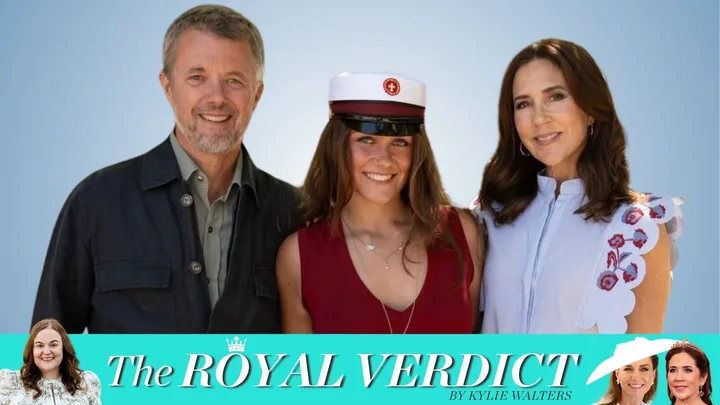
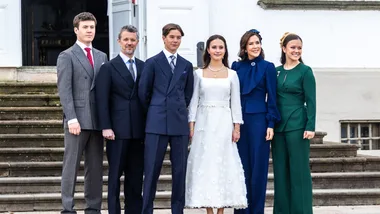
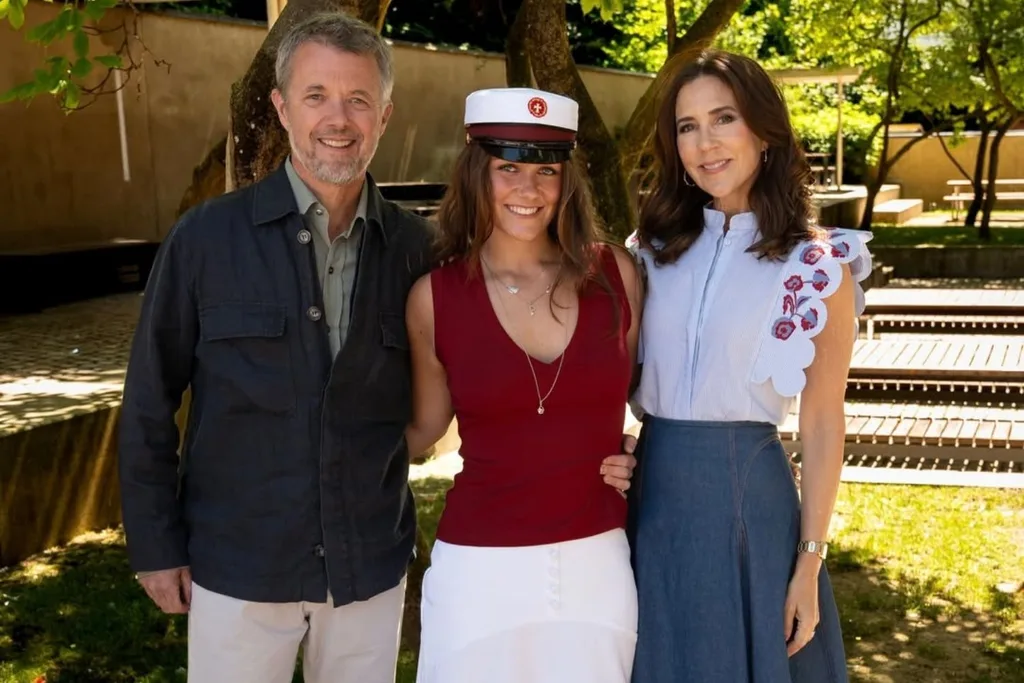
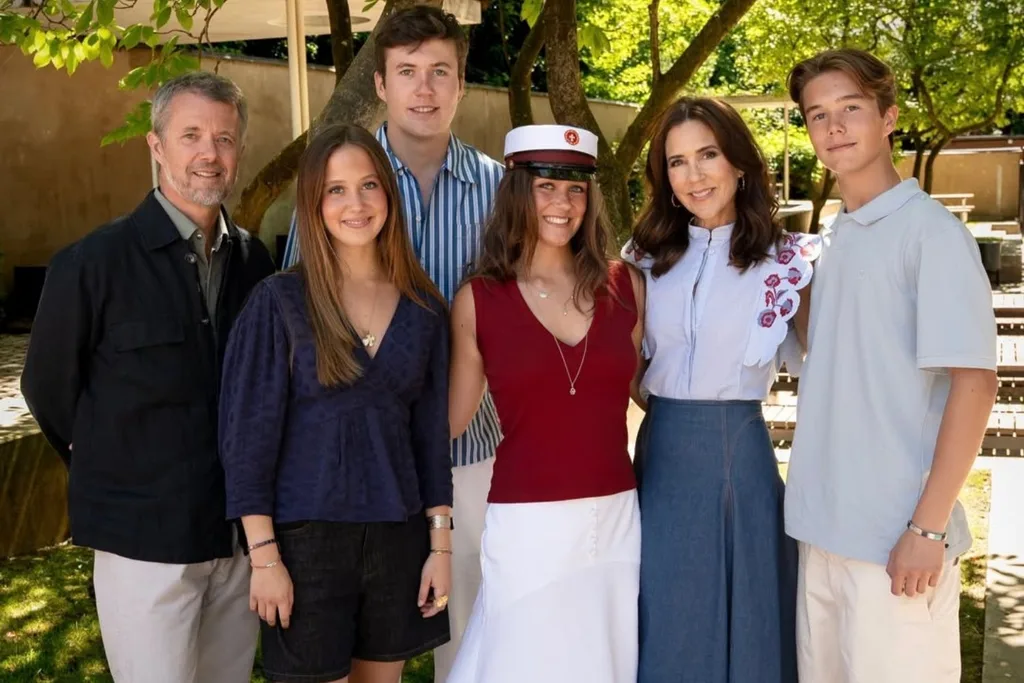
With a broad, confident smile, Princess Isabella stood beside her parents and siblings on June 23 as she sat her last high school exams.
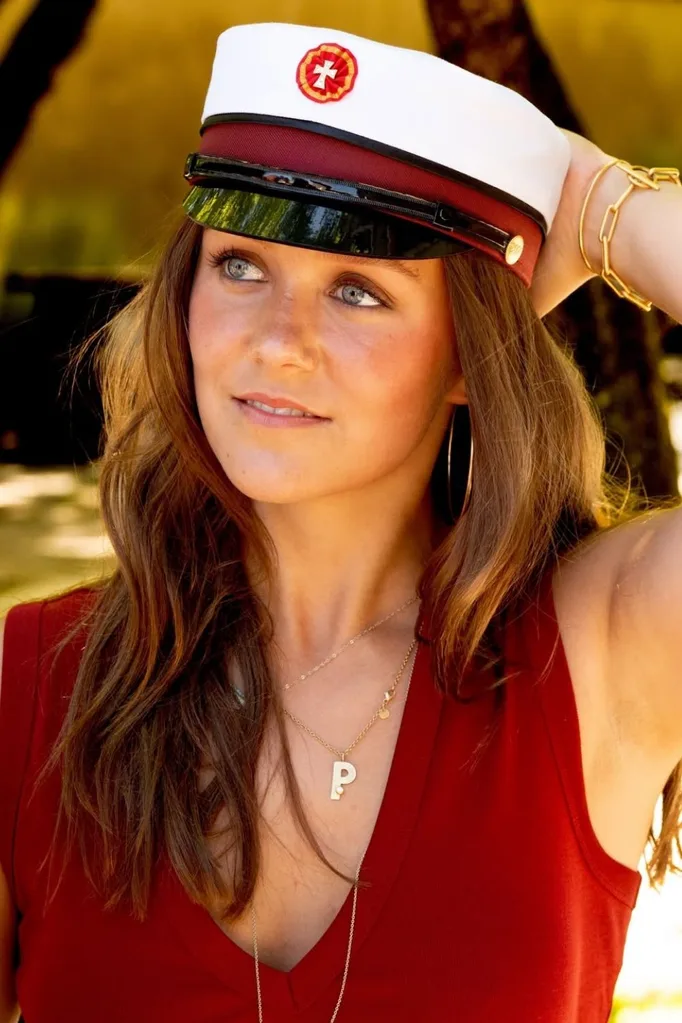
Queen Mary’s eldest daughter proudly donned the studenterhue, Denmark’s traditional white sailor‑style graduation cap, for her final day at Øregård Gymnasium, with her older brother Crown Prince Christian placing it on her head.
“I am mega happy and proud of myself,” she told reporters.
It was a classic royal photo moment, but what comes next is anything but traditional. Because Isabella is not waiting quietly in the background or preparing for a lifetime of coming second best.
For decades, being the spare has been a burden. It is a title that promises privilege but delivers pressure, scrutiny and a lifetime spent in someone else’s shadow.
But Isabella is armed with a bold plan for her future and is fast becoming the blueprint for ending the curse of the spare that has loomed over younger royal siblings for generations.
Princess Isabella’s bold next move
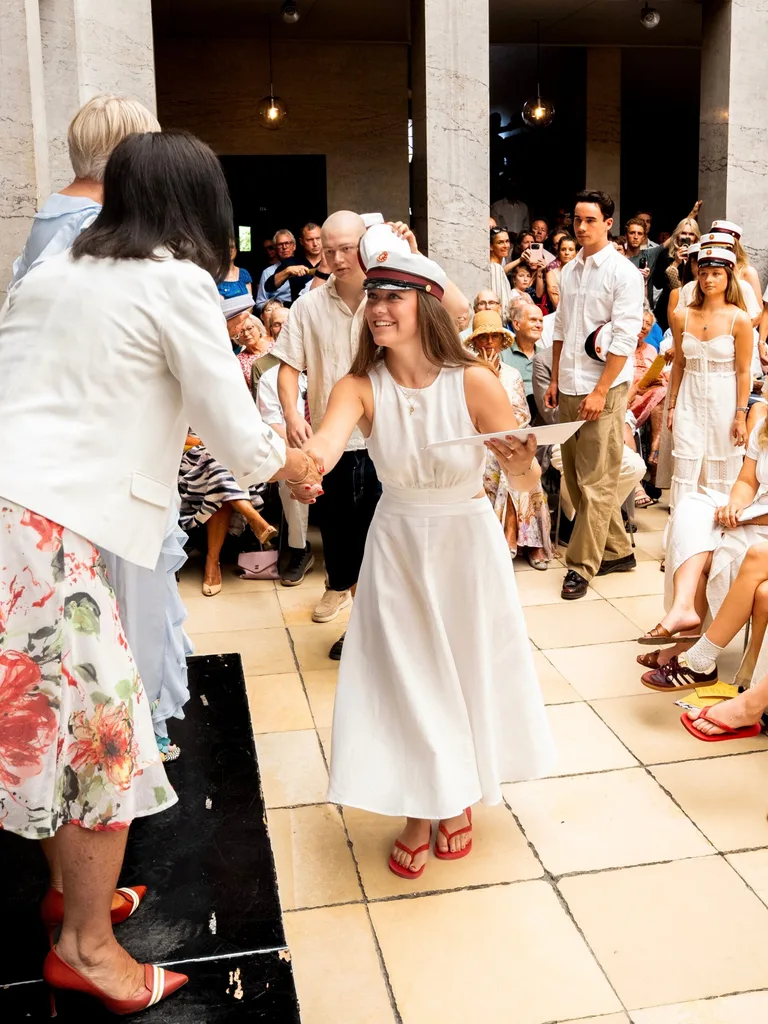
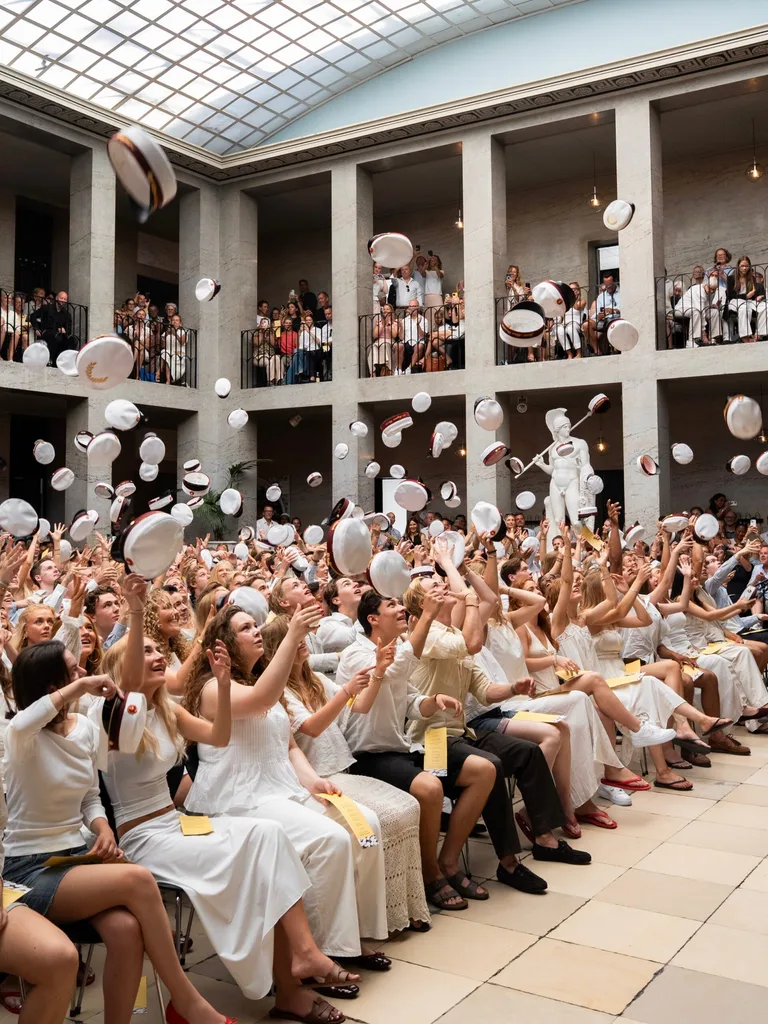
Days later, the family were back at the school to watch as she Isabella received her diploma and celebrated with her classmates on June 26.
After a short summer break, Princess Isabella will begin training with the Guard Hussar Regiment in Slagelse in August.
It is a historic moment for the Danish royal family. She will be the first female born into the monarchy to take part in military service.
Her start date also comes much sooner than her brother’s. Crown Prince Christian did not begin his training until February 2025, eight months after he finished school.
In July 2025, Denmark introduced conscription for women as part of its response to heightened security concerns across Europe. The compulsory training period was also increased from four months to eleven.
Female volunteers are recruited first, with the remaining numbers filled through a lottery system. Isabella’s number was not drawn. She volunteered.
“I hope that I can develop myself even more than I have here in high school,” she said. “I think it will be fun to challenge myself extremely to the fullest. It is eleven months so I know it will be a tough round, but it will probably be exciting and good for me.”
Of course, the royal family must be seen doing their part, but sources say this was entirely Isabella’s own decision and that she is genuinely excited.
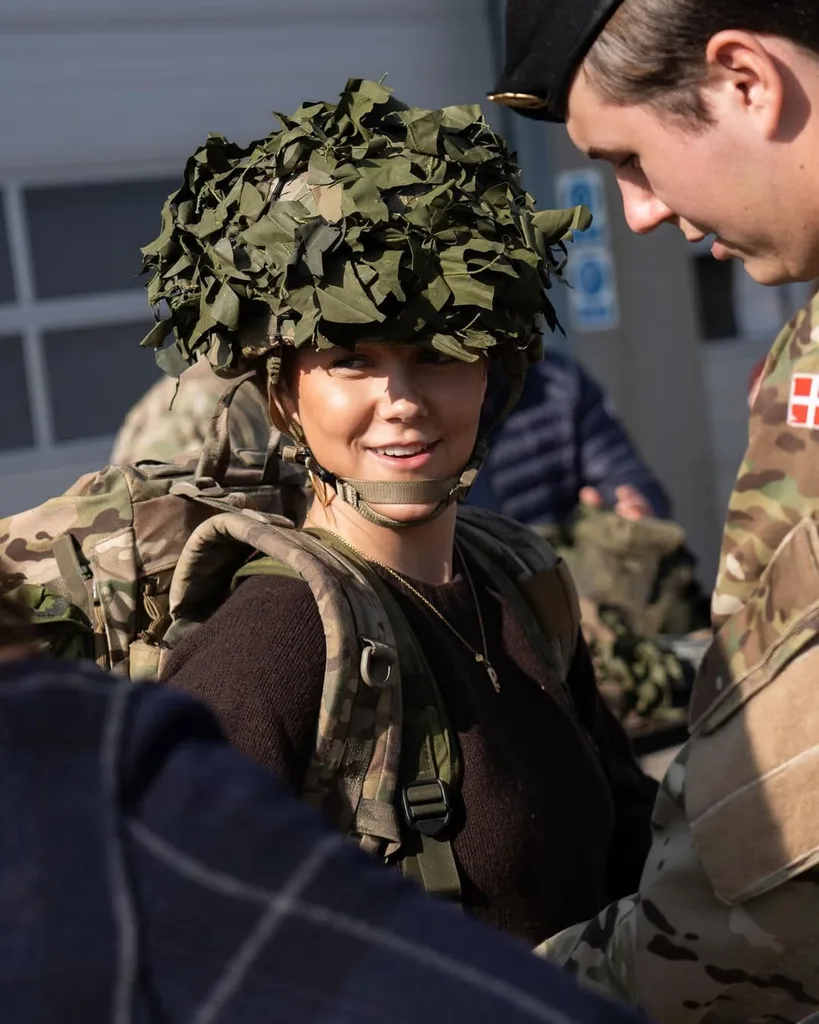
She certainly looked keen in a photo shared by the royal family in March 2025, when she visited Christian at the barracks and tried on his helmet and kit.
But the princess is doing much more than just enlisting into the military, the move makes her a responsible royal role model for a new generation.
A new model for the spare
This is not the behaviour of a spare but of a young woman defining her own future.
While the feud between Britain’s princes William and Harry dominates headlines, they are far from the only royal siblings to struggle with the issue. Denmark has faced its own challenges.
Frederik’s younger brother, Prince Joachim, has spoken openly about the confusion and frustration that comes with being the second born.
“The Crown Prince simply has to follow the course of events,” he told Point de Vue. “Nothing is defined for the second born son or the person’s wife, neither in writing nor in speech. My father experienced the same dissatisfaction and never managed to get his place in the royal family pinned down.”
He added, “It is not always easy. I experience the same dissatisfaction as my father. We have to find out for ourselves while staying within the role of number two in the row.”
To overcome this issue, Mary and Frederik are understood to be keen to carve out an important role for Isabella, with seperate defined duties from Christian.
And her future is one that the princess is stepping into with confidence thanks to her very different kind of royal upbringing compared to her father and uncle.
Mary and Frederik rewrote the parenting rulebook
Queen Mary and King Frederik have raised their children in a way that stands apart from the old Danish royal model. They have been hands on, present and deeply involved in their children’s daily lives.
Forget being brought up in a separate wing by nannies, as Frederik and Joachim were. Christian and Isabella slept in their parents’ room at the palace for around nine months each while Mary was breastfeeding.
Since then, school runs, sports days, parent teacher meetings and family holidays have all been part of their routine.
“In the morning we make porridge and all sit around the dining table,” Mary told Hello! “Then we talk and eat.”
Their approach has been grounded in emotional closeness and independence rather than hierarchy and distance.
The result is clear. Christian has embraced his role as future king with maturity. Isabella is forging her own path with purpose. The twins, Vincent and Josephine, are growing up with the same sense of grounded normalcy.
This is not just a royal family but a very normal one. And the ripple effect extends far beyond Denmark.
The British royals are watching closely
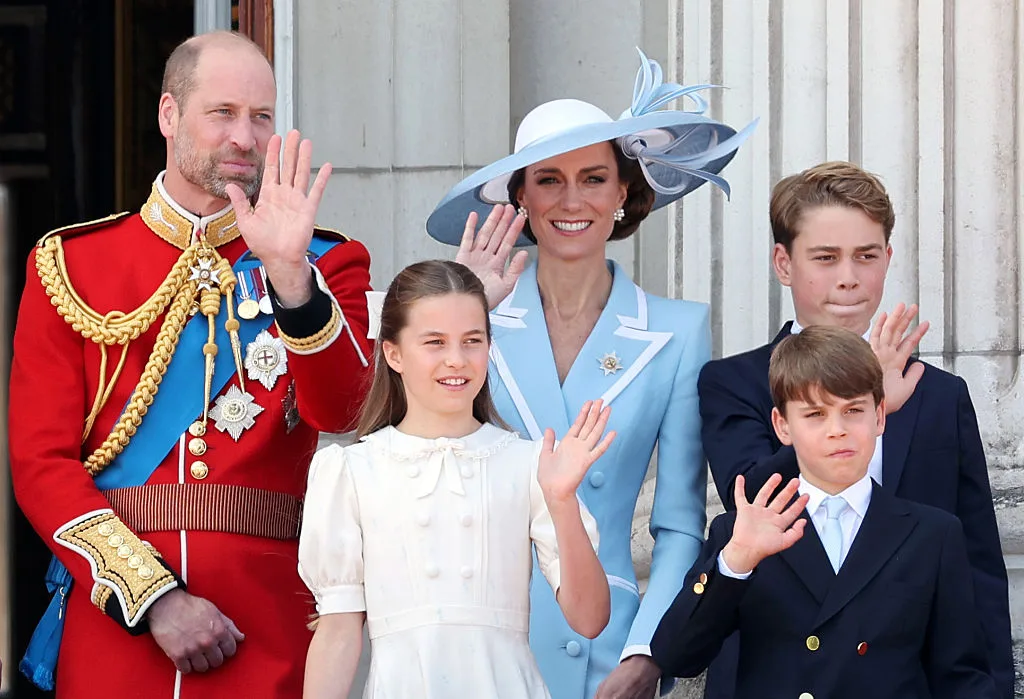
Across in Windsor, the Prince and Princess of Wales are paying close attention.
Princess Charlotte is the first British royal sibling in the post‑Harry era to grow up with the world openly questioning what the role of the spare should be.
Her future is not yet defined and her parents are determined to avoid the pitfalls that shaped the lives of previous spares.
“The dynamic of the heir and the spare has become a problem for royal families all over Europe,” Russel Myers, author of William & Catherine: The Intimate Inside Story, tells me . “There is the sense that, if they can get that right, it will fix so many of the problems that flow on from that issue.”
Isabella’s choices matter because they offer a new model, a way to give a second born royal purpose without pressure, which we may well one day see followed by Charlotte.
A turning point for modern monarchy
Coming so soon after the introduction of female conscription, Isabella’s decision sends a powerful message to young Danes.
She is doing her duty and embracing a challenge, but she is also showing that being born second does not mean she can’t make a positive contribution.
Princess Isabella is not just the spare. She is someone far more important than that. She is the future.
Read more expert opinion and analysis in WHO’s The Royal Verdict with Kylie Walters here.

