

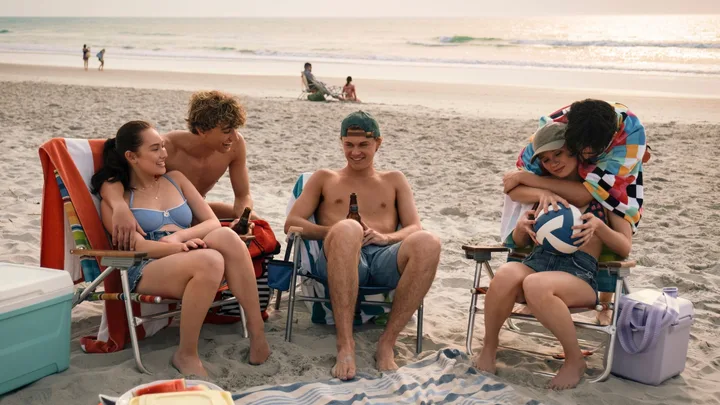
From falling for brothers (we’re looking at you, Belly) to couples we’d never ship IRL, TV has a long history of turning red flags into romance.
Sure, it makes for juicy drama, but why do we keep swooning over love stories that would be total disasters off-screen?
Let’s unpack the problem with TV’s obsession with toxic relationships and why we can’t seem to look away.
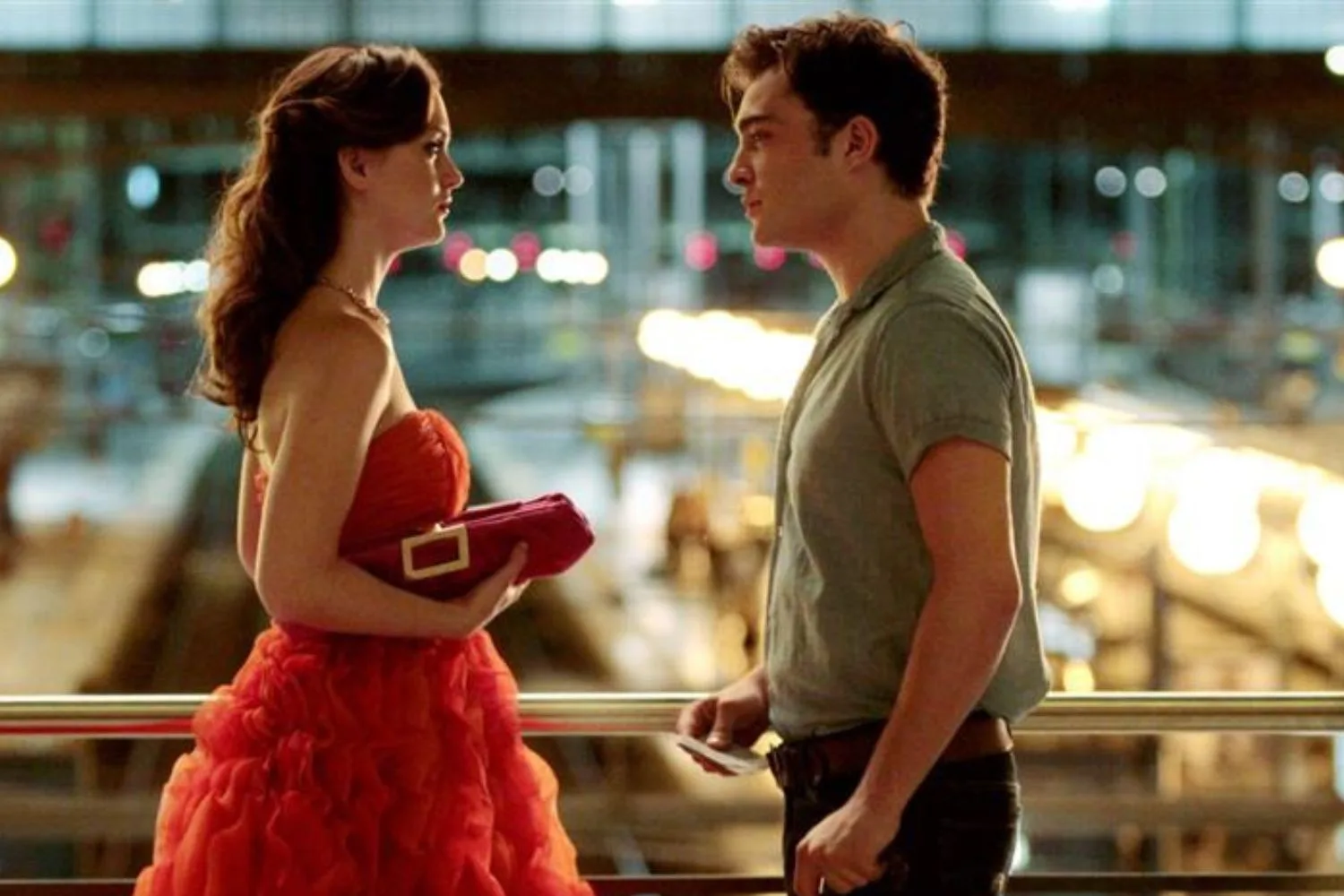
Think about it: Chuck and Blair’s manipulative games in Gossip Girl were packaged as an epic romance and we shipped it so hard.
Ross and Rachel’s endless breakups on Friends were played off as “couple goals”.
Even Elena, torn between Damon and Stefan in The Vampire Diaries, had us rooting for relationships that thrived on drama and dysfunction.
Time and again, TV turns toxic dynamics into binge-worthy love stories, and we keep buying in.
Principal Psychologist and clinic owner at Enriching Lives Psychology, Carly Dober, explained to WHO why audiences are drawn to this.
“The reality TV formula excites us to a high degree, and scenarios that depict real life induce the same feelings we would feel if we were experiencing the situations ourselves. This releases hormones in our brain that suppress other, less pleasant emotions. Not only that, but it acts as a distraction and can also make us feel better about our own lives comparatively.”
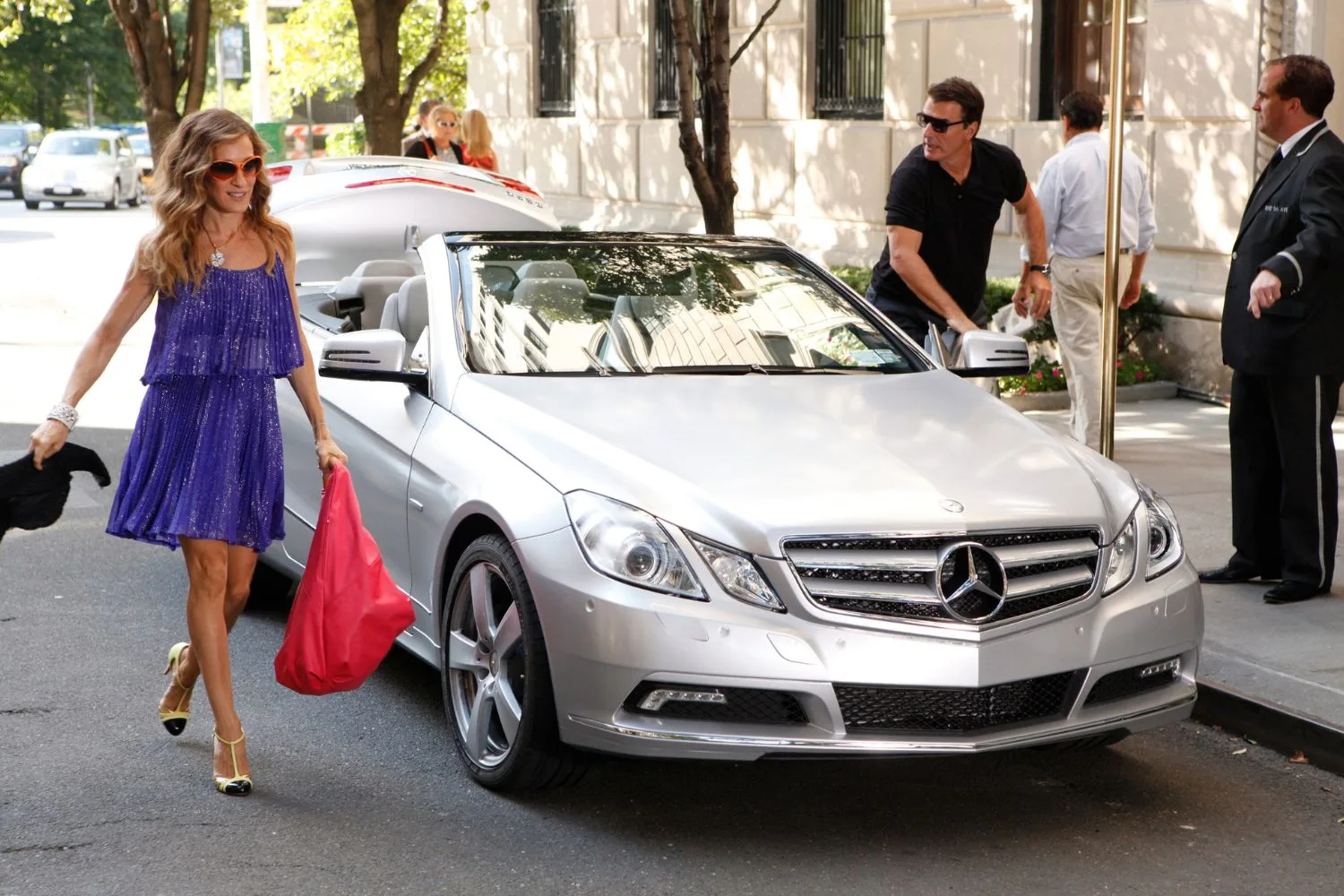
But there’s a cost. By repeatedly showing manipulative, controlling, or emotionally volatile relationships as exciting or romantic, audiences can start to associate drama, jealousy, or dysfunction with true love.
“What we repeatedly see becomes normalised over time,” Carly added. “If someone engages in reality television depicting unhealthy relationships, to some degree, this can change what behaviour becomes permissible or expected. People are more vulnerable when they are young, easily impressionable, or have been victimised before.”

Take The Summer I Turned Pretty, trending because of its hype and Belly navigating her love life.
From dating two brothers to manipulating situations to get attention, her actions are framed as relatable and even charming. Meanwhile, Conrad’s brooding intensity is packaged as romantic, and Jeremiah’s subtler but damaging behaviour is still served on screen as love.
Even couples like Chuck and Blair from Gossip Girl make us question why we root for romance that would be disastrous in real life.
We’re led to celebrate their reunions even when their behaviours would be major red flags.
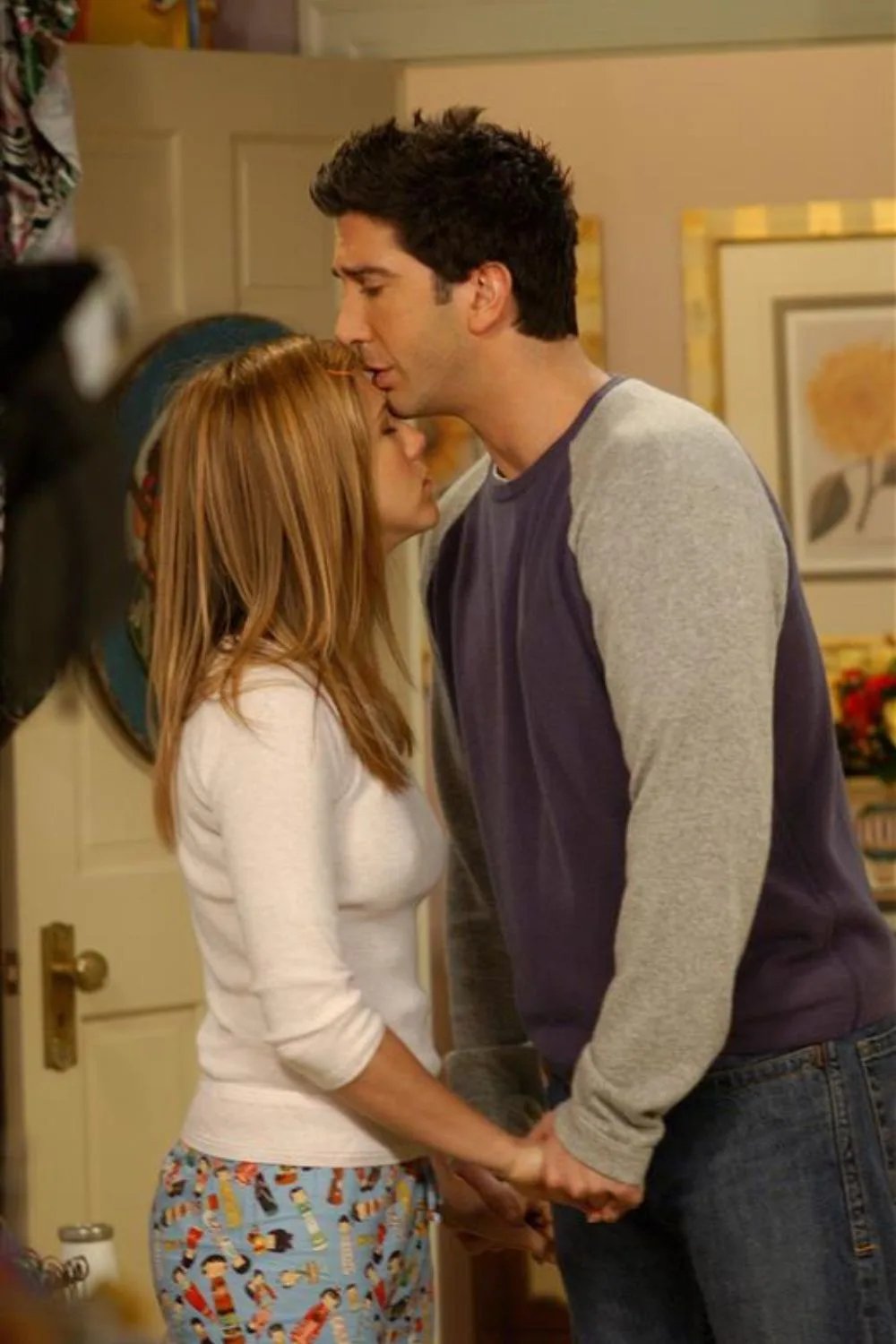
By packaging toxicity as “true love,” TV subtly sets up unrealistic expectations for relationships, reinforcing the idea that love must come with chaos.
So, what can we do about it?
Carly shared her expertise to engage your critical thinking while watching: “Remind yourself that these programs are scripted for entertainment, and much of what we see isn’t grounded in reality. Consider the behaviours, how healthy they are, and how appropriate they would be in real life. Notice how you feel at the end, are you excited, or tense and anxious? If it’s the latter, find ways to spend your time on healthier depictions of love.”
Next time you binge-watch a “toxic romance,” keep your eyes open for the red flags, laugh at the drama, and remember that real love doesn’t need constant chaos to be exciting.

