


Ever woken up from a dream, ripped off your eye mask and thought, “What the hell was that?”
As bizarre as they can seem, our “night visions” may not be as random as we think.
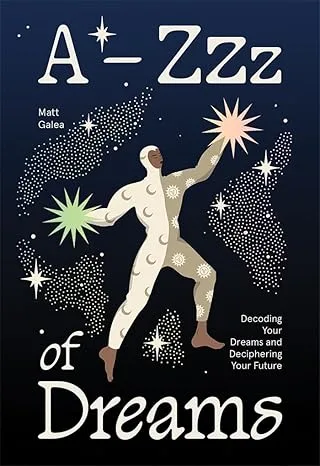
According to Matt Galea, author of A–Zzz of Dreams, the places, faces and bizarre scenarios that play out while we sleep can offer surprising insight into our subconscious.
So, what’s the difference between a nightmare and a wish-fulfilment dream? And are there times when what we see when we sleep is actually worth paying attention to? Here, Galea decodes the meaning behind some of our most common dreams.
What our dreams mean

People often write their dreams off as just a random series of images that their brain spits out to pass the time before they wake up, but our dreams actually hold valuable insight into our subconscious.
While there is absolutely a neurological process taking place during sleep (with the brain sorting memories, emotions and experiences from the day), the way those emotions present themselves in dreams is rarely meaningless.
Dreams tend to communicate through symbolism, metaphor and emotion rather than logic.
A dream about being chased, for example, is usually less about physical danger and more about stress or pressure building in our waking lives.
Dreams can expose anxieties we haven’t fully acknowledged yet, unresolved grief, hidden hopes or even desires for change that we’re too afraid to admit consciously.
At the same time, they aren’t always meant to be interpreted literally.
A tidal wave in a dream may represent emotional overwhelm; losing your teeth may reflect insecurity or fear of losing control.
The imagery can seem bizarre, but the emotional truth underneath it is often grounded in a very real place.



The main types of dreams
Dreams tend to fall into a handful of distinct categories, each revealing something different about our inner world.
Once you recognise the type you’re dealing with, it becomes much easier to unpack what your subconscious might actually be trying to communicate.
The main types include:
Daydreams: Those drifting, in-between moments where your mind wanders off and starts building imagined scenarios, often revealing your hopes, worries or ambitions.
Epic: Exceptionally vivid scenarios that feel emotionally significant and linger in your memory for days, sometimes carrying a sense of personal transformation.
Healing: Dreams that seem to flag something emotionally or physically out of balance, nudging you to pay closer attention to your wellbeing.
Inspirational: The subconscious stepping in with fresh ideas, creative breakthroughs or unexpected solutions when you feel mentally stuck.
Lucid: Where you realise you’re dreaming while it’s happening, occasionally giving you the ability to steer the experience yourself.
Nightmares: Unsettling dreams that force buried fears, anxieties or unresolved emotions to the surface in a way that’s hard to ignore.
Prophetic: Dreams that appear to foreshadow future events, whether through direct imagery, symbolism or an uncanny intuitive feeling.
Psychological: Dreams that mirror what’s happening beneath the surface emotionally, often highlighting stress, conflict or unresolved inner tension.
Recurring: Dreams that keep resurfacing over time, usually because your subconscious feels there’s an issue you still haven’t fully dealt with.
Wish-fulfilment: Dreams that indulge fantasies, desires or comforting scenarios, especially during times when real life feels stressful or emotionally draining.

What they’re trying to tell us
Most of the themes in our dreams tie back to feelings of losing control, identity, pressure, stress, insecurity or transition.
The big recurring themes in our dreams are usually:
• being chased
• falling
• running late
• flying
• teeth falling out
• being unprepared
• returning to old houses or schools
• running into former partners
Dreams about being late or unprepared, for example, are often linked to performance anxiety and fear of judgment. Those about old homes or schools tend to emerge during periods of change, when the subconscious is revisiting earlier versions of ourselves.
These dreams come to us as a way of emotionally processing what we may not be fully confronting in our waking life.
They allow the subconscious mind to work through unresolved feelings, hidden fears and internal conflicts in a symbolic, story-like form that’s easier for the brain to explore while we’re asleep.
When to act on our dreams
If a dream leaves a strong emotional residue, you wake up unsettled, inspired, emotional or unable to stop thinking about it, it’s usually worth asking: what feeling is this dream pointing toward?
Dreams become especially important when patterns emerge.
One strange dream is interesting. The same emotional message appearing over and over again is called a recurring dream and it will keep sending you the message until the matter is dealt with.
However, generally, they are best used as emotional data, not instruction manuals.
They can highlight burnout before your body catches up. They can reveal relationship tensions you’ve minimised. They can expose desires you’ve buried under practicality and routine.
And occasionally, they can remind you that some part of you still wants more from life – more joy, more honesty, more creativity, more change.
That’s why I think paying attention to dreams matters. Not just because they’re psychic visions, necessarily, but because they’re often the most unfiltered conversation we can have with ourselves.
Matt Galea is an editor, author and astrologer. His latest book, the A–Zzz of Dreams, is out now.

