


Red light therapy and stacking supplements an hour before bed, settling down in a cold room with a weighted blanket and even taping your mouth shut — these are just some of the methods used in viral “sleepmaxxing” TikToks.
The aim of the practice is far simpler than some of its elaborate routines: to get better quality shut-eye.
The premise of “sleepmaxxing” is one that experts can get around (who doesn’t want a good night’s sleep?!).
However, Professor Pierre Escourrou, Sleep Physician and Senior Medical Advisor at Withings, says the “scroll-stopping” methods we’re seeing on social media aren’t necessary.
“While some habits may help a portion of people, most aren’t universally necessary and are often promoted more for social media appeal than for proven health benefits,” Professor Escourrou notes.
So, before you go to bed with every supplement and gadget known to man, here’s what you should be doing…
To hear more on this topic, tune into The WHO Group Chat podcast.
What is “sleepmaxxing”?
While a buzzword, “sleepmaxxing” is essentially the practise of maximising or optimising your sleep quality and duration.
The often-excessive sleep regimes feature techniques and products. These include, but aren’t limited to:
– Supplement stacking (including the use of magnesium)
– White noise
– Red light therapy or LED Masks
– Using a weighted blanket
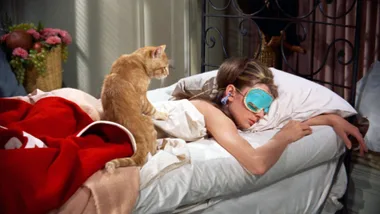


– Creating a cool, dark bedroom
– Reducing screentime before bed
– Meditating
– Using a sleep tracker
Since its inception on TikTok back in 2024, “sleepmaxxing” has boomed in popularity, especially with young women. However, the method originated in the manosphere as a means for young men to “looksmaxx” or enhance their appearance.
So, what’s right about “sleepmaxxing”?
Despite its not-so-favourable origins, Professor Escourrou explains that “sleepmaxxing” with evidence-based methods can be effective.
“Habits like keeping a consistent schedule, creating a dark and cool room, reducing screen time before bed and practising relaxation techniques are all evidence-based and very helpful,” Professor Escourrou says.
Per the Sleep Foundation, around 19.4°C is the ideal temperature for encouraging sleep.
Additionally, avoiding devices and sleeping in a dark environment regulates hormones to aid in better rest.
Wellness Leader and Founder of JSHealth Vitamins Jessica Sepel says that the internet’s newfound appreciation for sleep hygiene is the biggest perk of “sleepmaxxing”.
“For so long, [sleep] was the first thing people sacrificed and now there’s a real respect for how foundational it is,” Sepel explains.

And what’s wrong with it?
While “sleepmaxxing” isn’t inherently harmful, like most things on TikTok, it’s rife with misinformation.
This is largely around practises touted by influencers, including supplement stacking (consuming multiple supplements) with lower quality products.
“More isn’t better, it’s about choosing what’s appropriate for you, ensuring the dose and ingredients match the science and using it consistently,” Sepel says.
Professor Escourrou also notes that while mouth taping can encourage nasal breathing, it can also be dangerous.
“It’s important to understand why someone is mouth breathing in the first place,” Professor Escourrou says.
“If there’s an underlying issue – like a blocked airway or sleep apnoea – taping is potentially dangerous, it’s always better to address the root cause rather than rely on a quick aesthetic solution.”
Sleep hacks that really work
Although viral products might look aesthetic on social media, the experts agree that sleep optimisation is about creating the right internal and external conditions for you.
“That means supporting your circadian rhythm through consistency, reducing stimulation in the evening and allowing the nervous system to shift out of a high-alert state,” Sepel explains.
“If cortisol remains elevated at night, sleep will always feel harder than it needs to be.”
Create a clear wind-down window
“Even 30 minutes of low light, no screens and slower energy can help signal to your body that it’s time to rest,” Sepel says.
Support your nervous system
Sepel explains that lowering cortisol (the stress hormone) is key. “A warm shower or bath, gentle stretching or a quality magnesium and/or sleep supplement can help guide your body into a calmer state,” she says.
Stay consistent
“Going to bed at a similar time each night is one of the most powerful ways to support your circadian rhythm and improve sleep quality over time,” says Sepel.
Similarly, the same goes for waking up. “Waking at the same time every day is the most effective way to regulate your hormones and stabilise your internal clock,” says Professor Escourrou.
Get some morning light
Getting good sleep starts in the morning! According to Professor Escourrou, just ten minutes of sunlight after waking helps reset your circadian rhythm and sets your daily energy.
Understand the ‘why’
“If you’re sleeping enough hours but still feel drained, use a medical-grade tracker to see what’s happening beneath the surface,” Professor Escourrou explains.
“Hidden interruptions – like fragmented sleep or mild sleep apnea – are often the reason, and identifying them is the first step toward truly restorative sleep.”
The bottom line
The experts agree that good sleep optimisation isn’t about following every viral routine or trying the latest hack.
“When we start over-optimising, we often increase stress and cortisol, which works directly against us when it comes to sleep,” Sepel explains.
Similarly, getting hung up on your sleep data can also be problematic.
“Sleep is a foundation, not a competition. Focus on consistent, healthy routines first and let technology guide you, not stress you,” Professor Escourrou says.
Ultimately, if you do struggle with sleep, put the elaborate routines to bed and consult your GP or a sleep specialist.

