 Getty
Getty
In a move that feels both inevitable and mildly unhinged, the Academy Awards have announced they’re leaving free-to-air television behind and heading straight to YouTube.
From 2029, the Oscars will stream exclusively on the video platform, marking the end of a decades-long relationship with US broadcaster ABC and officially ushering the world’s most famous awards night into its full streaming era.

When will the Oscars leave TV?
ABC will continue to broadcast the Oscars through to 2028, which also happens to be the ceremony’s 100th anniversary, a pretty poetic final curtain call for broadcast television.
From 2029 through to 2033, YouTube will hold the global streaming rights to the Oscars, including the main ceremony as well as red carpet coverage, the Governors Awards and the annual nominations announcement.
What will YouTube show?
Short answer: everything.
YouTube will effectively become the Oscars’ new home base, streaming the ceremony live and free worldwide. The broadcast will also include multiple audio language tracks and closed captioning, making it one of the most accessible Oscar ceremonies ever.
YouTube TV subscribers will also be able to watch via the service, but viewers won’t need a paid subscription to tune in.
Why is this such a big deal?
While major awards shows have slowly embraced streaming partnerships, this marks the first time one of the “big four” ceremonies — the Oscars, Grammys, Emmys and Tonys — has completely walked away from traditional broadcast television.
The move hands one of the most-watched non-sporting events in the world to Google, whose platform boasts more than two billion users globally.
Academy CEO Bill Kramer and president Lynette Howell Taylor said the decision was about expanding access and meeting audiences where they already are.
“The Academy is an international organisation, and this partnership will allow us to expand access to the work of the Academy to the largest worldwide audience possible,” they said in a joint statement.
YouTube CEO Neal Mohan echoed the sentiment, calling the Oscars “one of our essential cultural institutions” and saying the partnership would help inspire a new generation of film lovers.

What about falling ratings?
The Oscars’ move comes after years of fluctuating viewership. While the 2025 ceremony drew 19.7 million viewers — the strongest result in five years — ratings are still a far cry from the 40-million-plus audiences the show pulled in a decade ago.
During the pandemic, viewership dropped as low as 10.4 million, and even recent attempts to modernise the broadcast haven’t fully reversed the long-term trend.
Notably, the 2025 ceremony also streamed live on Disney-owned Hulu for the first time, though technical glitches left some viewers locked out of the final awards — an issue YouTube will no doubt be keen to avoid.

How the Oscars are changing
The shift to YouTube is just one part of the Academy’s broader attempt to refresh the nearly 100-year-old event.
In recent years, the Oscars have added new categories, including Best Casting (set to debut in 2026) and a long-awaited Best Stunt Design award, which will be introduced by the centenary ceremony in 2028.
The broadcast itself has also been slimmed down, with several technical categories moved off-air to streamline the live show — a change that hasn’t been universally loved.
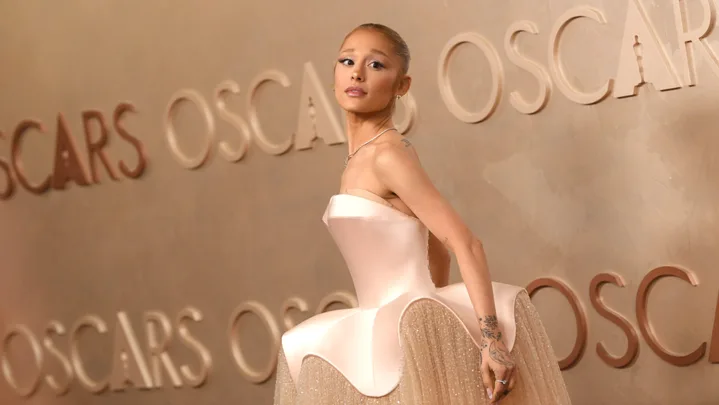
Whether YouTube’s move will bring younger viewers back to the Oscars remains to be seen, but one thing’s clear: the red carpet is about to get very algorithm-friendly.

Related stories
Native ad body.

Native ad body.

Native ad body.