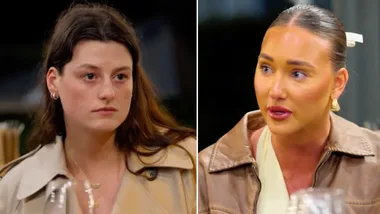


This season of MasterChef Australia has had its fair share of weird and wonderful challenges – from air-fryer invention tests to blind tastings. However, after Curtis Stone and Robert Irwin’s guest judge appearances during Classics Week, fans noticed an often overlooked “disadvantage” that contestants could face when the challenge is too specific with it’s hero ingredient.
During the show’s pork-themed elimination episode – which aired on Monday, June 8, with guest chef Curtis Stone at the helm – contestants were presented with different cuts of pork to hero in their dish. This led to fans considering the impact this style of challenge would have on contestants with cultural, faith-based, and dietary restrictions.
“Tonight’s pork challenge made me think about what would happen if there was a vegetarian, Muslim or Hindu contestant,” one fan commented online. “How does the show handle this?”
While many fans are predicting that these types of dietary restrictions are sure to cause more harm than good to the contestants, previous MasterChef stars Elena Duggan, who suffers from coeliac disease, and Kishwar Chowdhury told WHO that production is actually far more accommodating than people realise.
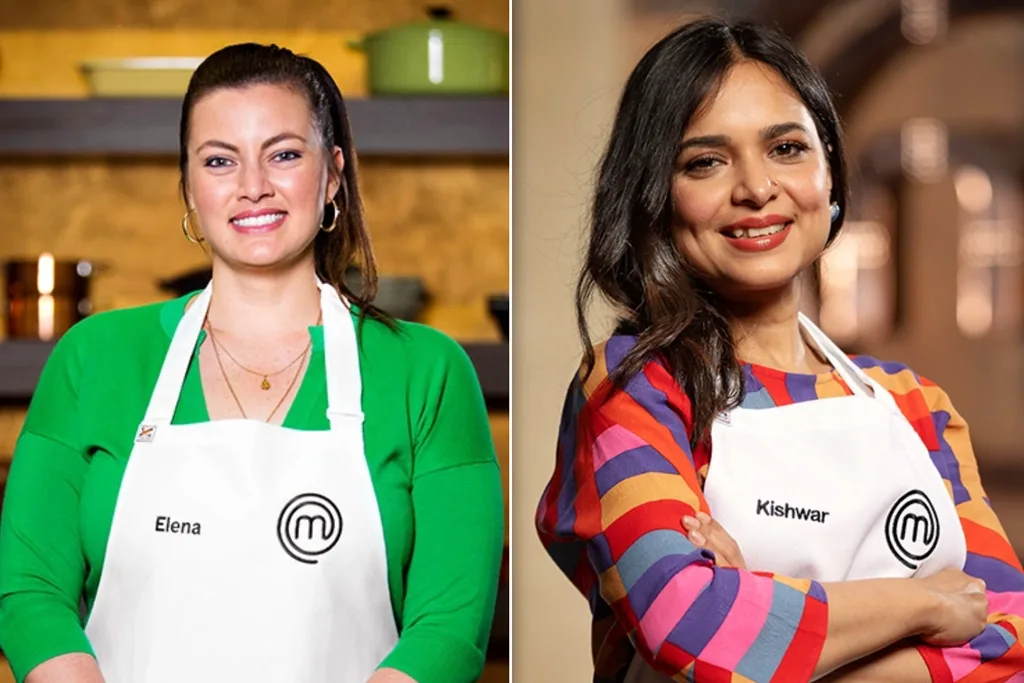
The truth about dietary restrictions on MasterChef
After concerns around cultural dietary restrictions emerged following Stone’s pork-themed episode, conversations extended to all types of food restrictions, with many fans calling for accommodations to make the competition fair.
“There was the lady who was celiac who would cook with GF ingredients usually but ended up in a pressure test with non GF ingredients and was eliminated because she was unable to taste things,” one fan remembered from previous seasons.
However, Duggan, who won the competition in 2016, says, “I rarely tried to create gluten-free substitutes just for the sake of it. Instead, I leaned into ingredients I genuinely loved: vegetables, seafood, herbs, ferments, nuts, native ingredients and alternative grains. Restrictions can actually become a creative advantage because they force you to think differently about flavour, texture and structure.”
Several other viewers said that they felt there should be testers on the show for those who need one.
“She would be ghastly sick if she tasted that food,” one weighed in. “A tester is appropriate.”
Meanwhile, other fans had a different view entirely, believing no accommodations were necessary.
“It may be callous, but this isn’t their kitchen or their restaurant and they are expected to cook to meet certain criteria,” one fan wrote addressing contestants with any type of dietary restriction. “If they can’t do that or feel too uncomfortable then the cooking show isn’t for them.”
“I watch far too many cooking shows, and honestly it usually comes down to the contestant made the choice to sign on to the show knowing full well that their dietary restrictions won’t be catered to,” another viewer agreed.
-
-
-
Native ad body. Sponsored by %%sponsor_name%% -

-
-
Native ad body. Sponsored by %%sponsor_name%%
The “micro measures” MasterChef takes to ensure inclusivity
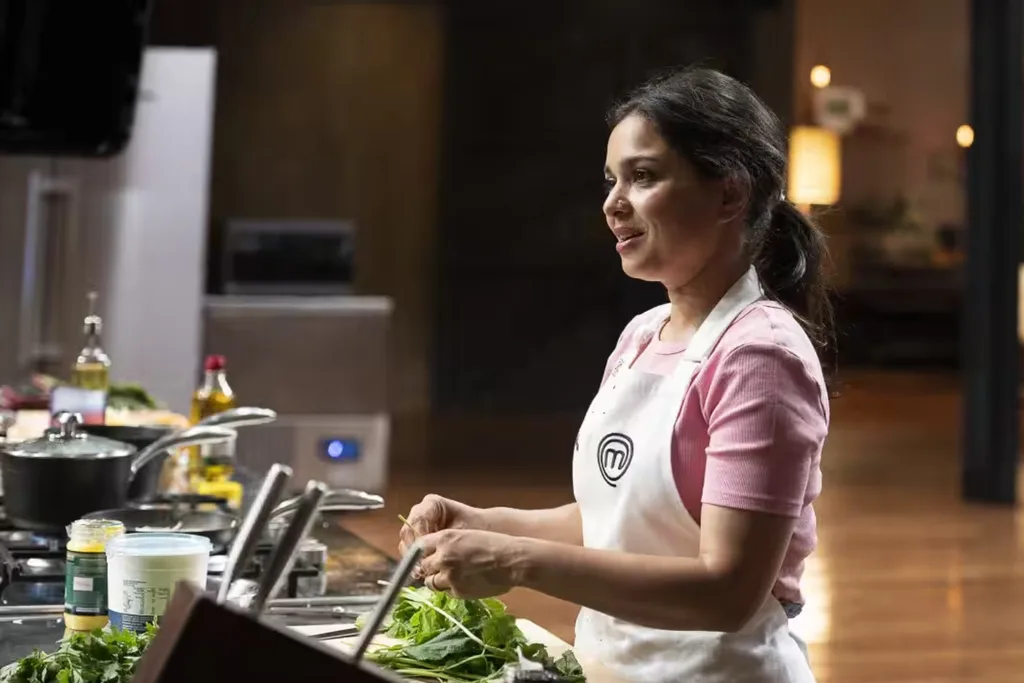
“Going into it, I didn’t know what to expect, and I did wonder if my cultural background or faith-based restrictions would limit my chances in the competition – especially as the challenges got harder,” Chowdhury, who is of Bengali heritage, told WHO. “But the MasterChef team truly practised inclusivity in every way.”
“I remember a dessert tasting challenge where I was pulled aside and asked to land at a particular bench. The food team discreetly took me aside and explained that the guest celebrity chef had a pork-based gelatin in their dessert, but they had replicated one for me with a vegan-based setting agent.
“It was one element in an intricate dessert, I hadn’t even thought about it, but the team took micro measures to ensure we all could participate in the challenges. Heidi, who was head of food, asked me which brands of spices I used at home and stocked them in the pantry.”
Chowdhury added: “Looking back at all the culinary spaces I’ve entered into since then, MasterChef really set me up to know that I can be catered to and included.”
A pantry built around “classic” staples
Duggan seconded Chowdhury’s experience of support from the MasterChef production team when it came to accommodating her coeliac disease; however, she revealed that the pantries were still built to cater to the majority.
“Production genuinely made an effort to accommodate me,” Duggan told us. “The open pantry offered incredible variety, there were gluten-free options available, and if something needed clarification, the team was responsive.”
She continued, “I never felt excluded or treated like a problem to solve.
“That said, the pantry staples were still built around classical cooking: flour, sugar, dairy and butter. Those ingredients naturally lend themselves to pastry and traditional French techniques, so contestants with dietary needs still have to be adaptable and advocate for themselves.”
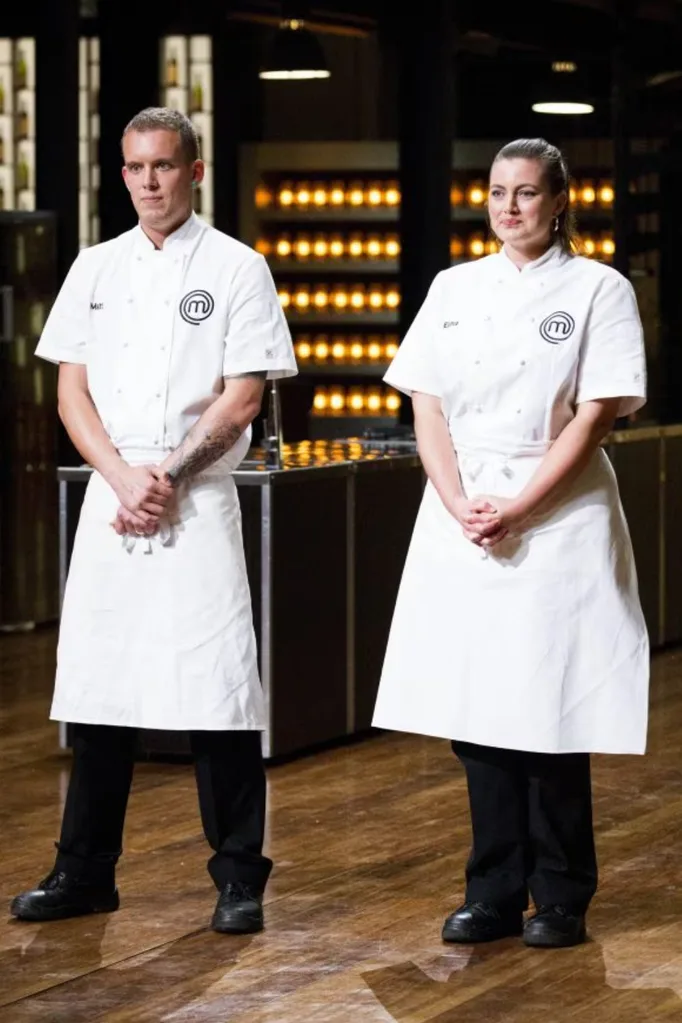
Duggan did address fan concerns around the difficulty that dietary restrictions pose to tasting dishes, as she recalled returning to the show as a judge and sacrificing her physical health so she could “celebrate [the contestants] efforts and cheer them on”, reminding her “that inclusion isn’t just about what’s available, it’s also about feeling comfortable saying no without guilt.”
“Tasting was probably the trickiest part,” she said. “If I didn’t want to risk becoming unwell, I had to rely more heavily on smell, texture, appearance and instinct.”
“Occasionally a trusted teammate would taste something and tell me whether I was on the right track. That camaraderie is one of the reasons MasterChef friendships last long after filming ends.”

Related stories

Native ad body.
Native ad body.


Native ad body.