

 Getty
Getty
Protected by protocol, insulated by tradition and buffered by a public deference that has long outlived the political power they once held, royal families have long existed in a world apart.
But the past few months have raised a confronting question for modern monarchies across Europe.
Is this the moment when even the world’s most protected institutions must reckon with the same cultural shift that reshaped Hollywood, politics and the media?
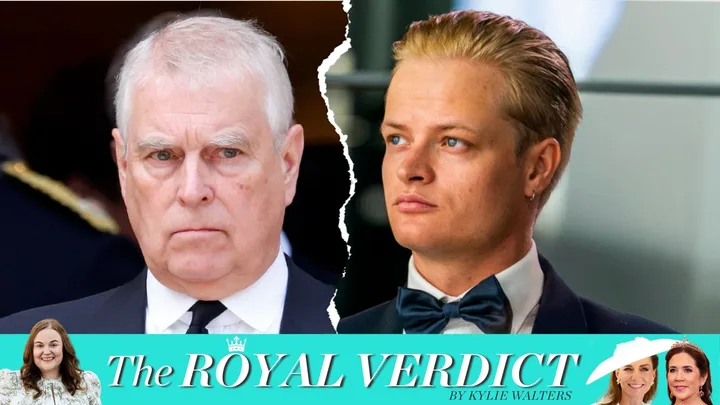
With the trial of Marius Borg Høiby in Norway and ongoing investigations into Britain’s former Prince Andrew, is royalty finally facing its own Me Too moment?
Asking the question is not to equate every allegation or circumstance. But it does recognise a pattern: multiple royal households, across several countries, are now navigating the fallout of allegations of sexual misconduct within their orbit.
And unlike in decades past, the public is no longer willing to separate individuals from the institution. The expectation is clear: if the monarchy wants to remain relevant, it must be accountable.
Why Me Too still matters
The Me Too movement was—and remains—a global reckoning with power.
It exposed the ways institutions protect the powerful, silence the vulnerable and allow harmful behaviour to flourish behind closed doors.
When actresses including Rose McGowan and Ashley Judd shared their allegations of sexual harassment against movie mogul Harvey Weinstein in 2017, it set off a chain of events that eventually saw him convicted of multiple counts of sexual assault and sentenced to 16 years in prison.
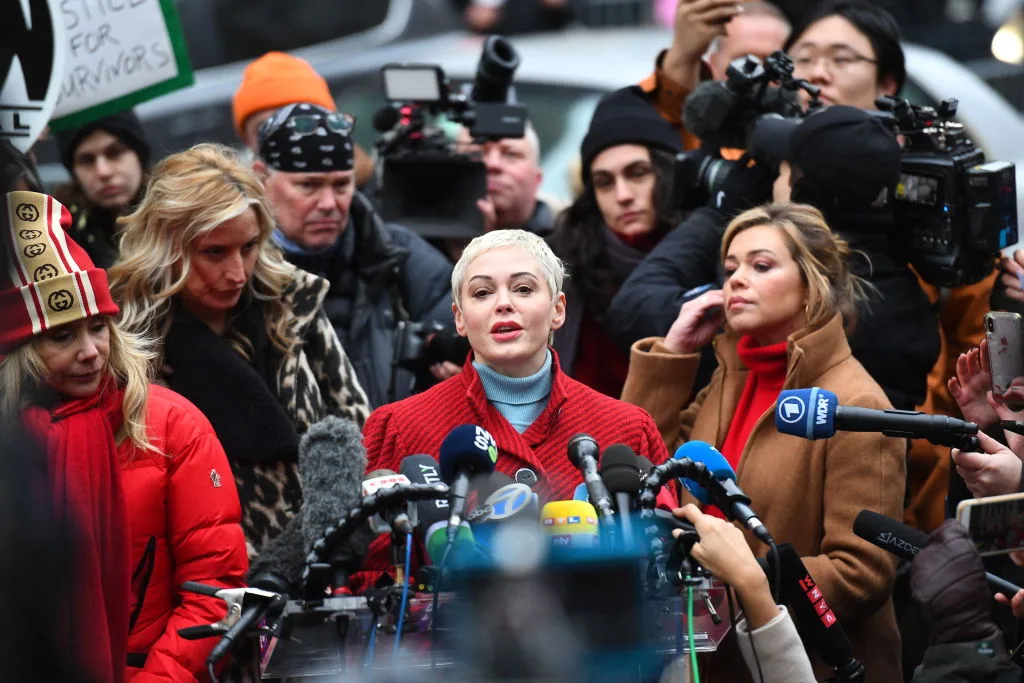
Alyssa Milano helped popularise the #MeToo hashtag when she urged her followers: “If you’ve been sexually harassed or assaulted, write ‘me too’ as a reply to this tweet.”
The phrase became a rallying cry for victims of sexual abuse, demanding transparency, accountability and a cultural shift that insists no one—no matter how famous, wealthy or well‑connected—is beyond scrutiny.
“[Me Too] was about showing that this happens everywhere, that it’s not just Hollywood,” Milano later told Good Morning America.

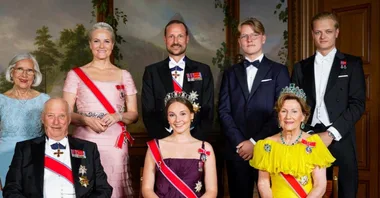
When applied to monarchy, the stakes become even higher.
Royals are not just celebrities. They are symbols of national identity, often funded by taxpayers and expected to embody the moral ideals of the nation.
When allegations of sexual misconduct arise around them or within their households, the question is not only what happened, but how the institution responds.
Does it protect its own? Or does it uphold the standards it expects from everyone else?
Britian’s palace under pressure
The British monarchy has spent years trying to distance itself from the fallout of the Epstein scandal.
Former Prince Andrew’s association with convicted sex offender Jeffrey Epstein—which he attempted to explain away in a disastrous Newsnight interview—remains one of the most damaging episodes for the House of Windsor in modern memory.
The palace’s strategy was clear: isolate Andrew, strip him of duties and move on.
But he was never kept out of sight enough to stay out of mind. He continued to appear at family gatherings and even walked in full regalia at Windsor during the annual Garter Day procession.
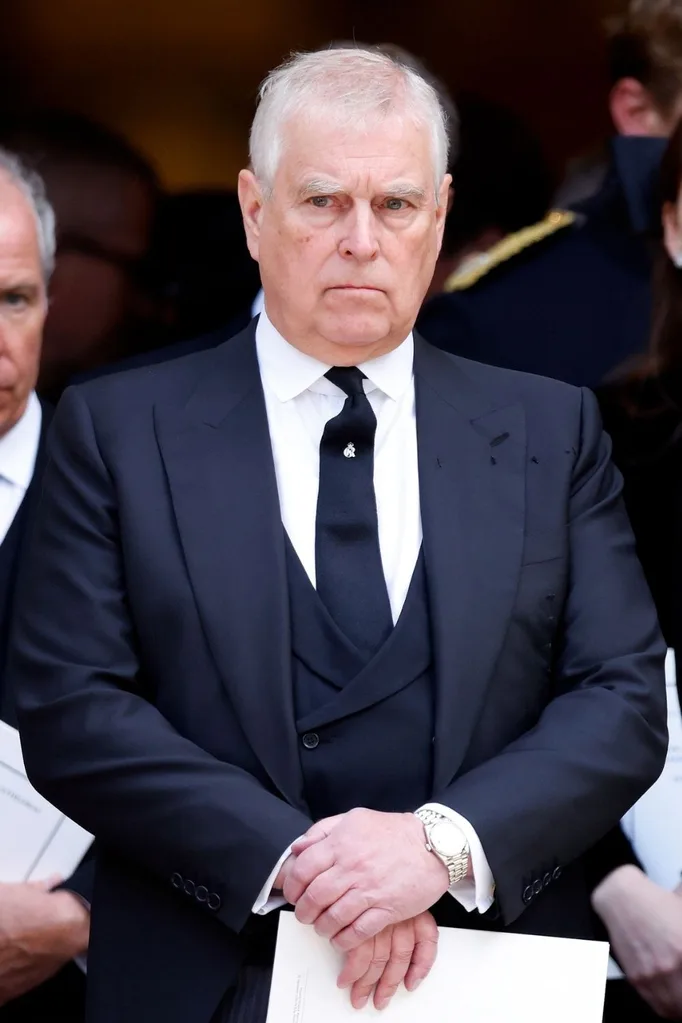
Then came the civil case brought by Virginia Giuffre, who accused Andrew of sexual assault. He settled for a multi‑million‑dollar sum without admitting liability in early 2022.
Shockingly, just weeks later, he escorted Queen Elizabeth down the aisle at the Service of Thanksgiving for Prince Philip—an image that reignited public anger.
The public didn’t move on. Questions about what the institution knew and why it took so long to act, lingered until members of the family were being heckled at public events.
When King Charles finally stripped his brother of his titles and evicted him from Royal Lodge, it was seen as too little, too late.
As police continue investigating Andrew’s possible misconduct in public office and his links to Epstein, the Windsors have been granted only a temporary reprieve.
“The law must take its course,” King Charles said as Andrew was questioned on his 66th birthday before being released without charge. Andrew has always strongly denied wrongdoing.
But the saga exposed a system that protected one of its own until the pressure became impossible to ignore—a reminder that the monarchy’s instinct, like many powerful institutions, is often self‑preservation.
The time is coming when the Windsors will have no choice but to face the tough questions.
Norway’s crisis of credibility
Now, Norway finds itself being forced to confront the same questions.
The trial of Marius Borg Høiby—son of Crown Princess Mette‑Marit and stepson of Crown Prince Haakon—has forced the Norwegian royal household into an unprecedented and deeply uncomfortable position.
The charges, including counts of rape against four women and allegations of domestic abuse, are being heard in open court.
He denies the most serious allegations, having pleaded guilty only to lesser charges of offensive sexual behaviour and driving offences.
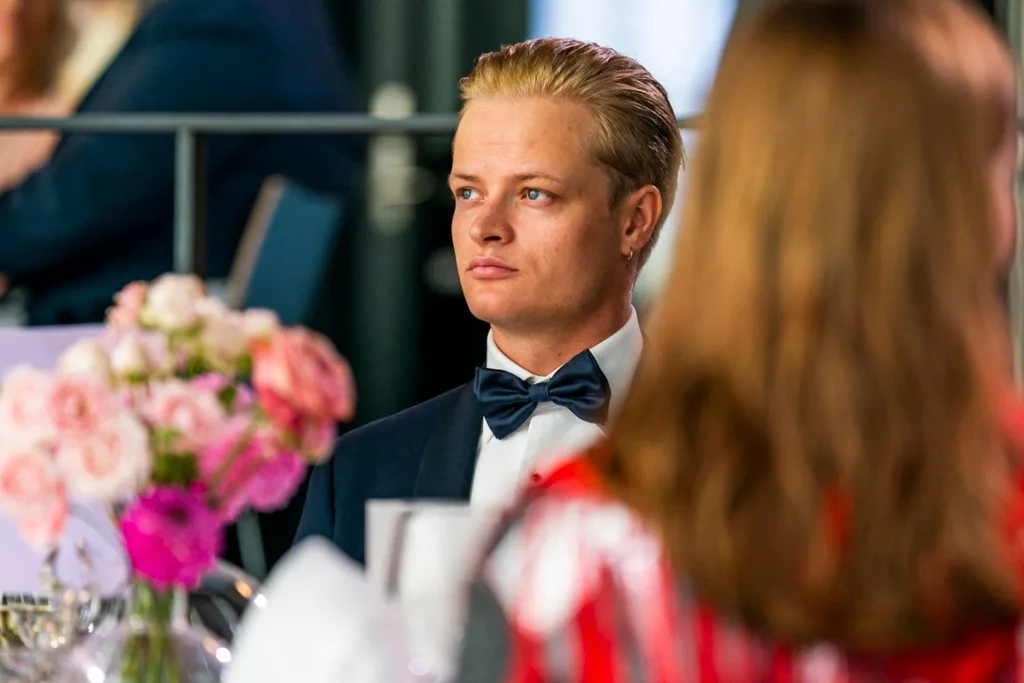
“If Marius says he is not guilty, it’s because he perceived all of the acts as perfectly normal and consensual,” his defence argued.
The trial raises difficult questions—not about guilt or innocence, which the court will determine, but about proximity, responsibility and optics.
Marius is not a working royal and holds no title. But he grew up in a royal residence, attended official events and has long been part of the family’s public image.
One alleged assault is believed to have taken place inside a royal property.
“Marius Borg Høiby is not a member of the Royal House of Norway and is therefore autonomous,” Crown Prince Haakon said before proceedings began. “We care about him, and he is an important member of our family.”
Complicating matters further are recently released Epstein files showing Crown Princess Mette‑Marit exchanged more than 100 messages with Epstein after his conviction. She has apologised for the relationship, saying she should have shown better judgment. But in the context of her son’s trial, the resurfacing of those communications has intensified scrutiny.
A recent TV 2 survey found that 47.6 per cent of Norwegians do not believe Mette‑Marit should become queen.
For a royal family known for its modernity, humility and relatability, this moment is destabilising. It challenges the narrative Norway has carefully cultivated: that its monarchy is different—more grounded, more transparent, more in touch with ordinary life.
A commom thread
Each situation is distinct, involving different people, circumstances and legal contexts. But they share a common thread: the collision between royal privilege and a cultural movement that demands accountability.
The Me Too era taught us that institutions matter. Systems matter. Silence, excuses and “this is just how things are done” are the conditions that allow harm to continue unchecked.
When allegations arise around royal households, the public is no longer satisfied with the same old answers.
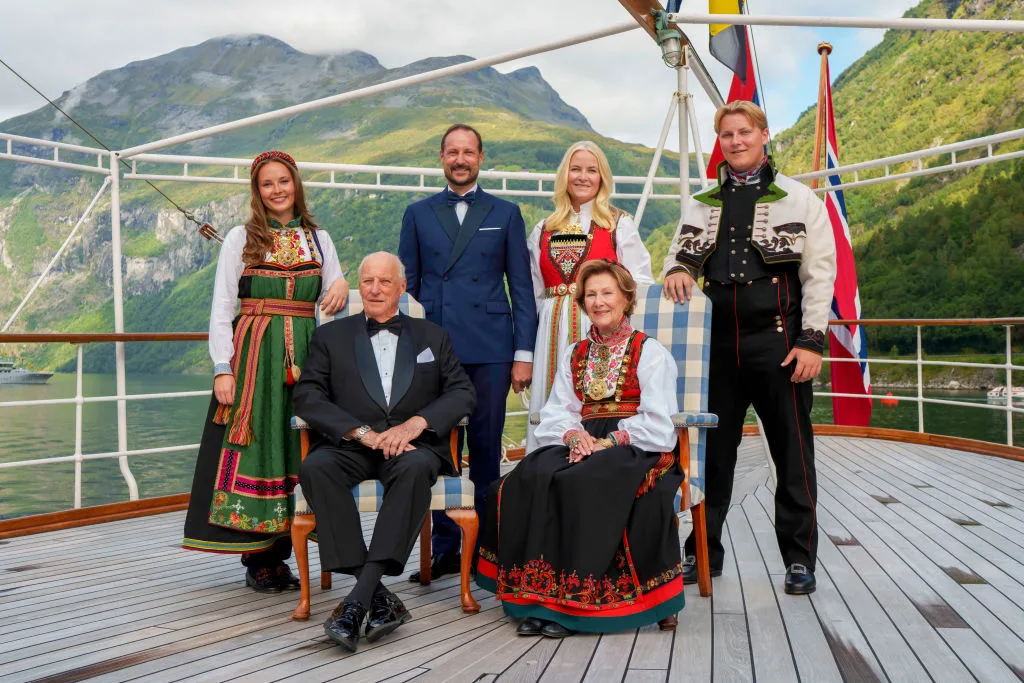
Saying, “This is a private matter,” or “We will not comment,” no longer cuts it. Silence reads as complicity.
Modern monarchies survive not because they rule, but because they resonate. They must feel symbolic, stabilising and morally credible. They must convince the public they are worth the cost, the ceremony and the constitutional oddity of hereditary power.
But nothing erodes moral authority faster than the perception of double standards.
If the monarchy wants to thrive in the 21st century, it must confront the uncomfortable truth that it is not immune to the cultural shifts reshaping the rest of society. Accountability must apply to everyone connected to the institution—not just when the public demands it, but as a matter of principle.
The accountability test coming to ahead
So, is this the monarchy’s Me Too moment? Perhaps not in the explosive, industry‑shattering way the movement reshaped Hollywood.
But it is undeniably a reckoning—a time when royal households across Europe are being forced to confront the same questions other institutions have faced.
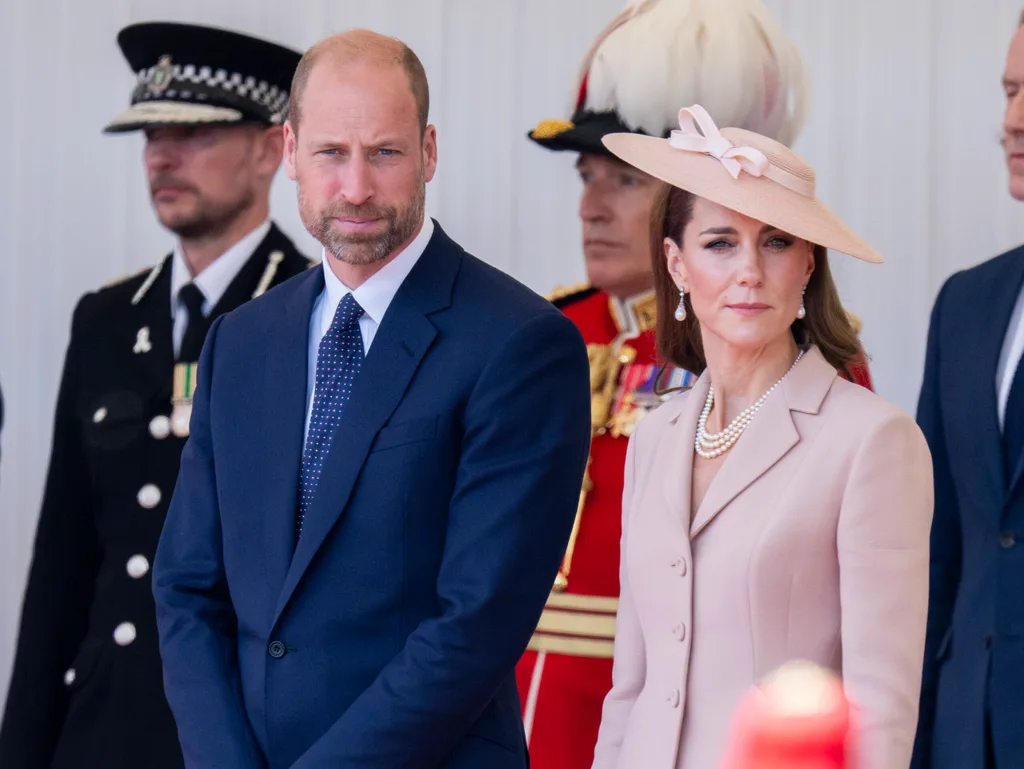
Royal families must ask themselves what they stand for, and how they respond when those within their orbit are accused of doing harm.
The answers will determine not only how these current crises unfold, but whether monarchies can continue to claim a place in modern life—because the public no longer accepts entitlement as a substitute for accountability.
And if they fail to adapt, they risk becoming relics of the past.
Read more expert opinion and analysis in WHO’s The Royal Verdict with Kylie Walters here.

