

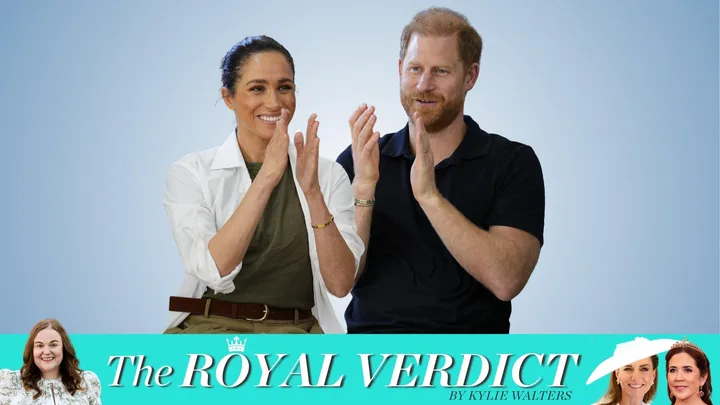
Prince Harry and Meghan Markle have wrapped up their short visit to Jordan, a trip announced only hours before they touched down for security purposes.
From February 25 to 26, the couple moved through the country on a tightly packed schedule of humanitarian meetings, warm interactions with children and high‑visibility photo ops.
Across the two‑day visit, the Duke and Duchess of Sussex followed an itinerary that looked strikingly similar to the overseas tours they once carried out on behalf of the Crown.
Except this time, they weren’t representing the royal family or the British government. They haven’t done that in more than six years, ever since stepping back from their roles as working royals in early 2020.
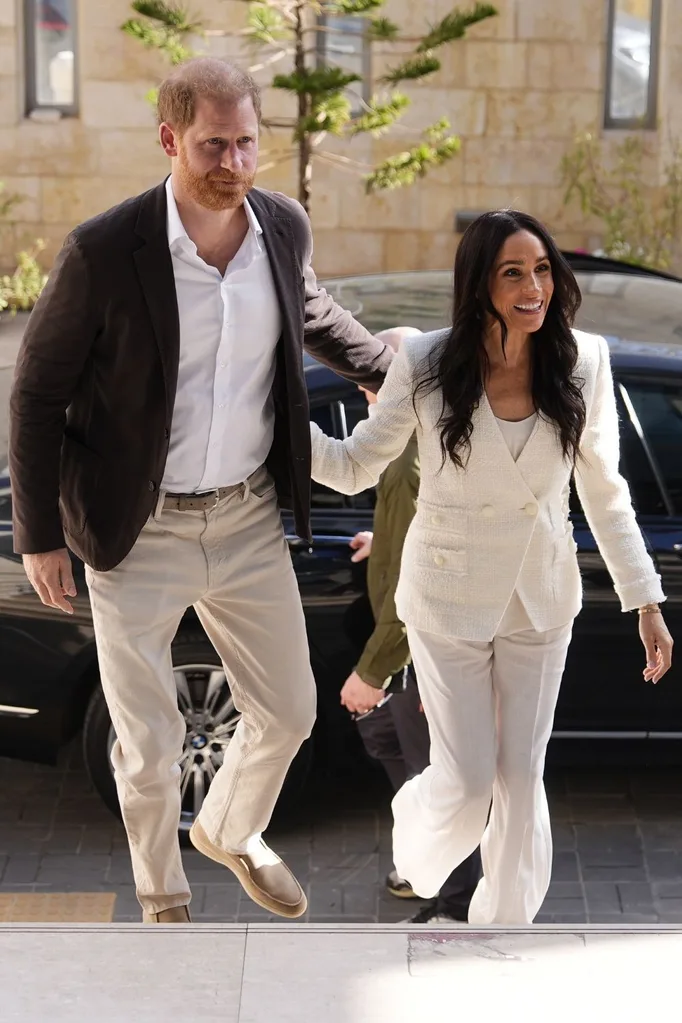
But that didn’t stop the Jordan trip from carrying the unmistakable optics of a royal tour — and that’s exactly why it has ignited another round of debate.
Critics have dismissed the visit as yet another “faux royal tour,” accusing the couple of staging monarchy‑style engagements without palace authority and leaning on the trappings of an institution they chose to leave behind.
Which raises the real question: if Harry and Meghan truly wanted out of official duties, why do these trips keep happening — and why do they keep looking so royal?
Why were Harry and Meghan in Jordan?
Harry and Meghan were in Jordan at the invitation of the World Health Organisation’s Director‑General, Dr Tedros Adhanom Ghebreyesus.
The purpose of the visit was to learn about the country’s humanitarian response and the health needs of displaced Syrians and Palestinians who have sought refuge there.
The trip followed a Archewell Foundation donation in 2025, when the couple contributed more than $500,000 to organisations supporting children from Gaza and Ukraine.
Across the two days, the Sussexes joined Dr Tedros for a roundtable with senior representatives from multiple UN agencies. They also met evacuees at the Za’atari Refugee Camp.
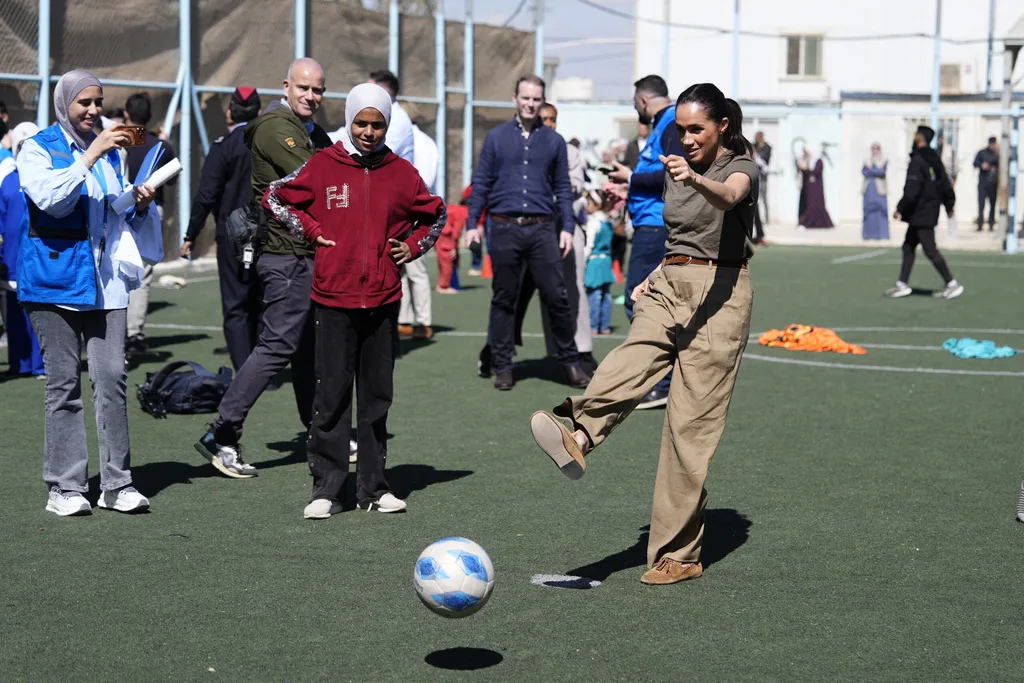
Their itinerary continued with a stop at a youth centre focused on helping children navigate mental‑health challenges, where they watched musical performances and joined in a friendly soccer game.



During what was their their first international tour together in 18 months, Meghan comforted a teenage burn victim receiving treatment in a specialist hospital.
Representing only themselves and their Archewell Foundation, there was one key way the visit diverged from a traditional royal tour: neither Harry nor Meghan had any formal engagement with Jordan’s senior royals.
King Abdullah held talks with Dr Tedros while the Sussexes sat those meetings out. Official photographs did not include Harry or Meghan, a clear reminder that this was not a state visit, nor were the couple treated as diplomatic envoys.
However, the waters were muddied when Philip Hall, British Ambassador to Jordan, thanked the Sussexes for travelling to the Middle East.
“Your visit, your support, your appreciation of the efforts that the United Nations, including of course, the World Health Organization, the government of Jordan and others, are making here is enormously appreciated,” Hall said.
Why do Harry and Meghan keep acting like royals?
The causes Harry and Meghan highlighted in Jordan are undeniably important. But the message becomes complicated when attention shifts from the issues themselves to the question of why their advocacy still so closely mirrors the institution they chose to leave behind.
This is hardly the first time the Sussexes have been accused of carrying out a “faux royal tour.”
In 2024, they spent four days in Colombia at the invitation of Vice President Francia Márquez, visiting schools, promoting digital literacy and championing mental‑health awareness — all hallmarks of a classic royal itinerary.
Just months before that, they embarked on a three‑day trip to Nigeria, where Meghan spoke about reconnecting with her African heritage.
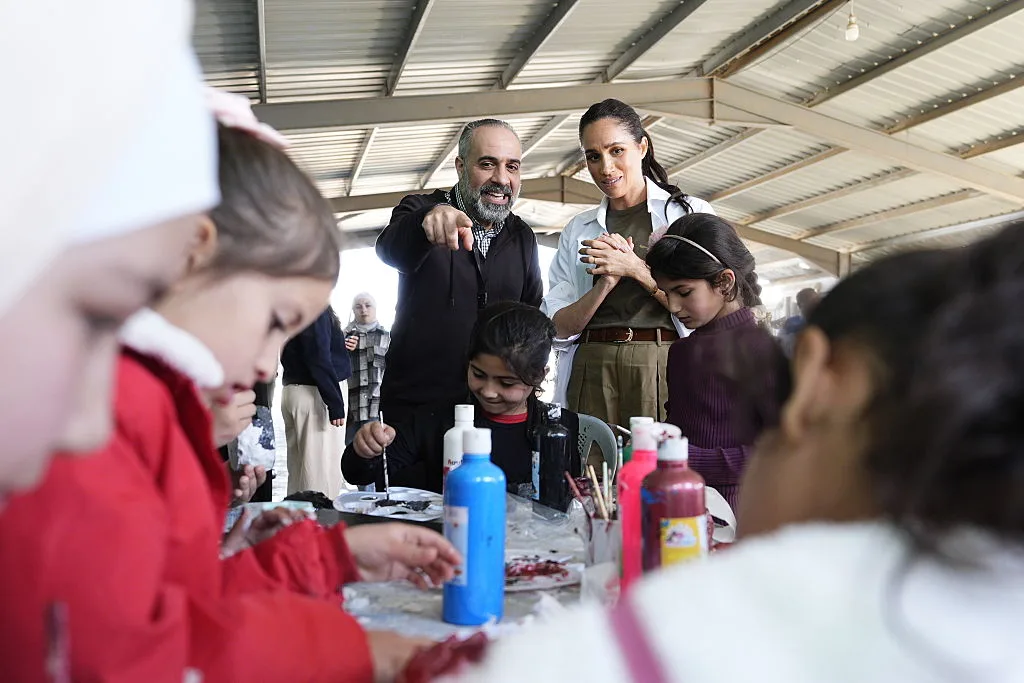
The irony, of course, is that Meghan reportedly hated carrying out royal tours when she was a working duchess.
During the couple’s 2018 visit to Australia, Courtiers author Valentine Low claimed she was overheard saying, “I can’t believe I’m not getting paid for this.”
The truth is simple: philanthropy carried out by “just call me Harry” and “Mrs Windsor” does not command the same global gravitas as humanitarian work conducted by royals and the couple know it.
By structuring their trips with the optics of a royal tour, they tap into the world’s enduring fascination with royalty. It guarantees coverage, elevates their causes and reinforces their brand as international humanitarians.
Then, when the cameras stop rolling, they return to their private Montecito bubble, where they control exactly how much is seen or known.
In many ways, it’s their attempt to have it both ways: the influence and visibility of royal life without the constraints of the monarchy. It’s the half‑in, half‑out model they originally pitched, that was firmly rejected.
What’s the problem with Harry and Meghan carrying out royal style tours?
If Harry and Meghan’s goal is truly to reconcile with the royal family, their continued royal‑style tours don’t help.
The optics create diplomatic awkwardness and public confusion about who they represent. Many assume they are acting on behalf of the Crown when, in reality, they are representing only their own charitable interests.
Jordan is also a country with deep, long‑standing ties to the British royal family. The two households share a warm relationship, with the Prince and Princess of Wales hosting their Jordanian counterparts in Britain, and Crown Prince Hussein and Princess Rajwa welcoming William and Kate in Amman.
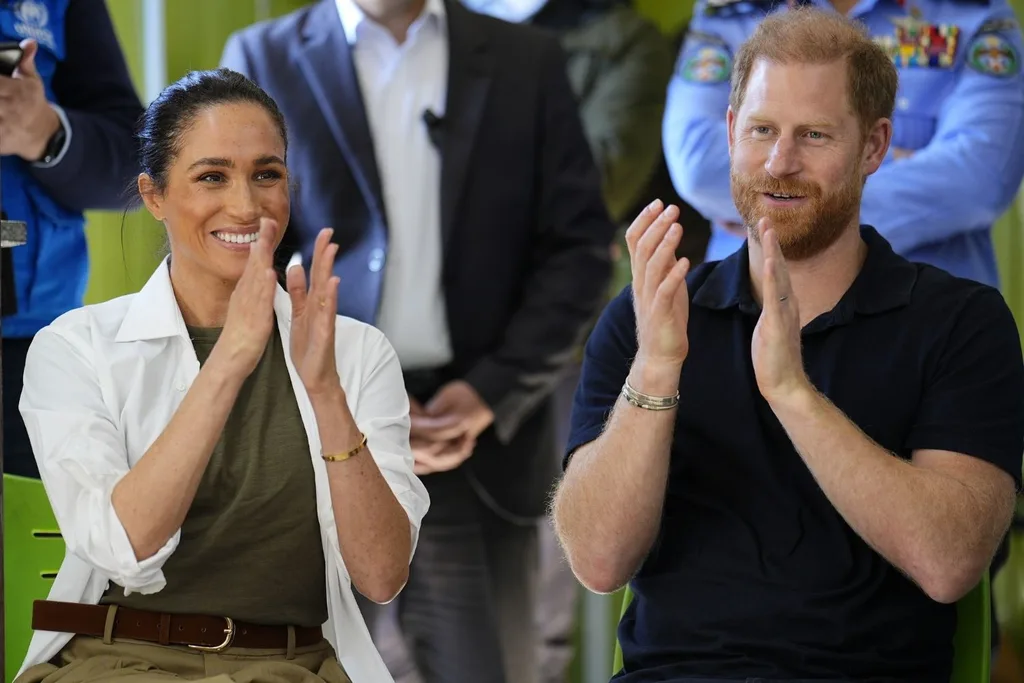
Against that backdrop, the Sussexes’ visit — arriving just weeks after Prince William’s high‑profile Middle East trip — inevitably invites comparisons. But those comparisons are unfair to everyone involved: William travelled in an official capacity with diplomatic responsibilities, while Harry and Meghan do not carry the same obligations or restraints.
Ye, despite having firmly rejected the constraints of monarchy and criticising the institution, the Sussexes continue to rely on its symbolism.
Their trips replicate the royal playbook almost beat for beat. And that highlights the ongoing paradox at the heart of their public identity.
While their visit to Jordan was meaningful, compassionate and clearly well‑intentioned, it also reinforced questions about their ambiguity on the world stage.
People are left wondering whether they are private citizens doing charity work, or a prince and princess performing royal‑style duties without palace permission.
Until the Sussexes decide which identity they truly want to inhabit, these questions will continue to overshadow their efforts — and the good work they do risks slipping under the radar.

