
LAST CHANCE TO WIN $1000!!
Choose from 14 nominees and go into the draw to win $1000 cash.
“What if an open relationship didn’t have to be a what if…”
For Alyssa Taylor Harper and her then-husband, conversations about broadening their horizons (so to speak) began after a dinner with friends in an open relationship. What followed were plenty of pillow-talk discussions, but we’ll get to that a little later…
Raised as a devout Pentecostal Christian in Niagara Falls, Canada, Harper was committed to her faith; even after leaving her family at 18 and moving to Australia.
This was no typical episode of Breaking Amish.
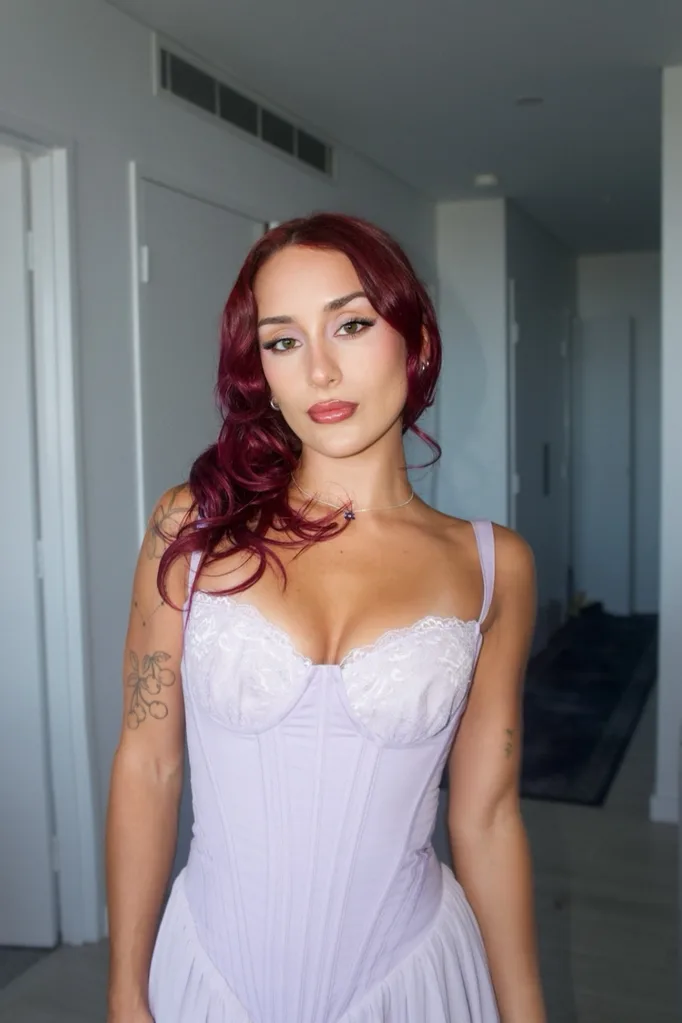
She was a Christian worship leader and got engaged to her then-husband at just 19 after meeting through church.
“It was normal in that community,” Harper explains. “There was also the pressure of people looking at you and wondering whether you were doing the right thing by God.” AKA: not shagging before marriage.
Explaining just how intense the community was, Harper says: “People would start whispering about what you ‘must be’ doing behind closed doors if you so much as even touched your partner’s waist in public.”
But as odd as it sounds, Harper genuinely loved it.
“Friday night was youth group and Saturday and Sundays were spent singing at church,” she tells me. “It gave me such a sense of purpose, even though it was like an unpaid full-time job.”
Wouldn’t be like organised religion to take advantage of people, now would it!
I’m a Pentecostal Christian… get me out of here!
The more accepting Harper became about herself and her bisexuality, the more cracks that began to appear in her faith.
“It seemed like there was space for queer people initially,” she explains. “But once you became invested in the church, they started trying to ‘fix you.’”
Recalling a story about how one of her gay friends had to attend weekly meetings with the pastor to talk about remaining abstinent from sex, alarm bells began ringing.
“It was basically conversion therapy,” she says. “That’s when I started thinking, ‘something really isn’t right here.’”
Despite this, walking away from the church was one of the hardest things Harper ever had to do.
“It felt like the rug had been pulled out from under me,” she explains. “My whole life was grounded by this belief system, but it was a false sense of comfort and a false sense of understanding myself.”
An “actually very healthy” process
Harper’s ex-husband always knew she was attracted to women, but it wasn’t until the latter half of their marriage that she decided to openly identify as bisexual.
“I waited until we were in a place where he could hear it easily,” she said. “We were basically out of the church, so he didn’t have to worry about the optics of it all.”
Then came the conversation about turning those what-ifs into reality, and, by all accounts, it was a pretty smooth transition.
While Harper was the one who broached the subject with her husband, it was his friends who had first opened their eyes to the possibilities of an open relationship. And after all, life is short; why not give it a try?!
Explaining why she chose not to date the same sex when she was younger, she says: “I knew the Bible, my community and my family weren’t going to be supportive of me being with a woman.”
“I thought I might as well just try to be with a man because that would make everyone happy.”
Harper and her ex-husband chose to leave the church together, but remained married for another two years.
“It was complicated, but we both eventually realised it was time to move forward,” she shares. “It was actually a very healthy process.”
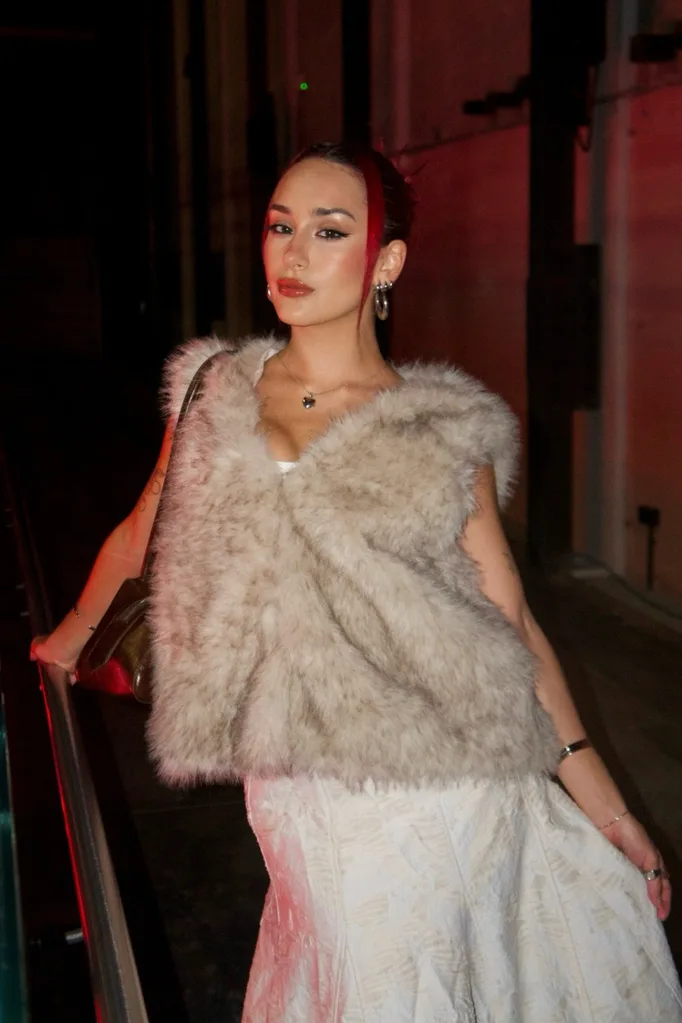
When I ask – totally earnestly – if 20-year-old Harper had any doubts on her wedding day, she answers that she really did think the marriage was going to last forever.
“Younger me would be horrified,” she laughs. “She would be trying to pray for me and saying ‘she’s lost her way.’”
Baking bisexual cake
Feeling inspired to share her unconventional story, Harper began posting snippets of her life on social media.
This in turn led to her podcast She Said What? being born.
“It was actually my ex-husband who suggested I start one,” she admits. “He’d say things like, ‘You’re so insightful, I really feel like you could help other people.’”
The podcast was a roaring success and her episodes centering on bisexuality absolutely skyrocketed.
“People would send me messages saying things like, ‘I came out to my parents today after listening to your episode.’”
One girl even made a bisexual cake to come out to all her friends and tagged Harper in her posts. Iconic.
“I wanted to keep helping people in that space because I’d been so lost and scared when I was going through it myself,” she shares.
However, it wasn’t all plain sailing and sharing your life through content creation and podcasting comes with a lot of opinions; particularly from those in it.
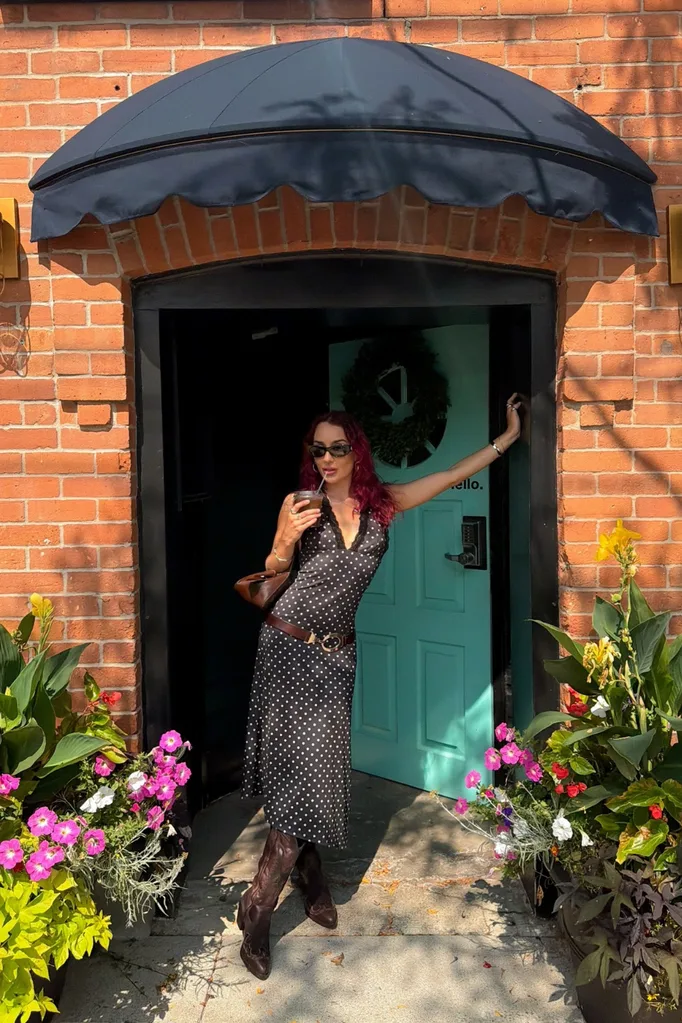
The great family unfollow
“I did have close family members reach out to my mum and say, ‘She shouldn’t be talking about all of this online. We need to get her back home.’”
As they grew increasingly uncomfortable with her sharing her life abroad, she watched family members unfollow her on Instagram one by one.
That’s the modern day equivalent of being cast out of polite society. Ouch.
“It’s a lot better now,” she reassures me. “It’s taken some time, but it wasn’t the end of the world.”
“I think that’s also why I knew I was in a good position to start the podcast and help people,” she adds. “I didn’t really mind taking the brunt of it all.”
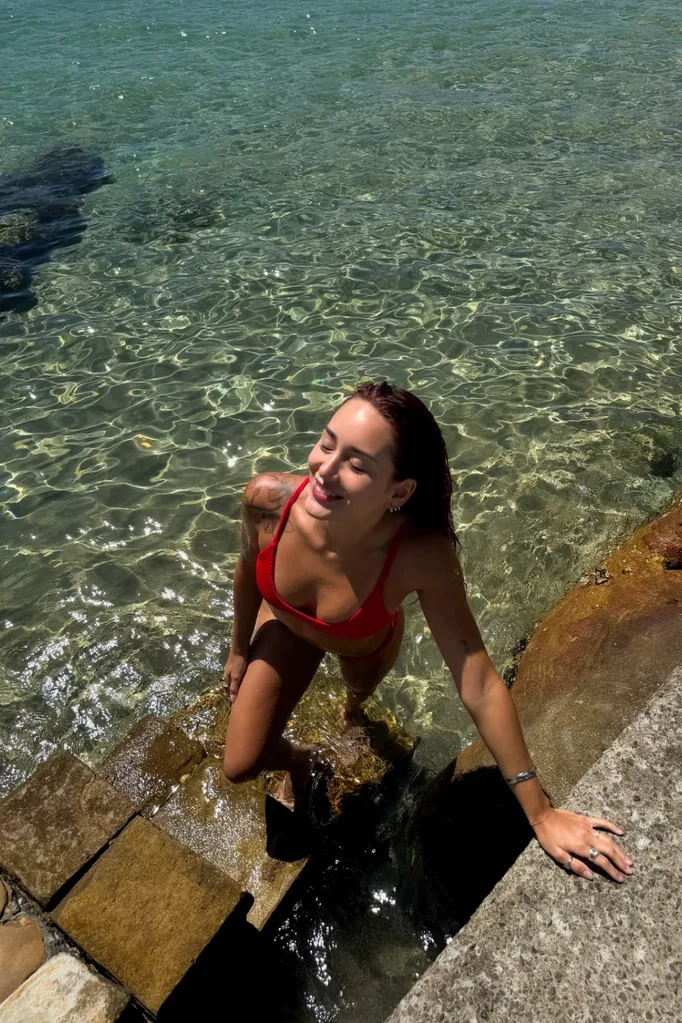
No regrets
Although Harper had a few “secret” rendez-vous with girls throughout her high school years, she had never properly dated a woman out in the open.
“The energy was completely different,” she shares. “I was trying to figure out how things worked when there wasn’t a traditional masculine role.”
“It was really different, but so good. I loved meeting different people and exploring that part of myself,” she adds.
“After sharing how the world and biphobia had once made her question herself, she felt well and truly reaffirmed during this time.”
“I used to wonder whether it would be worth coming out and creating issues with my family,” she says. “’What if I just end up with a man? Was all of this for nothing?’”
But now Harper realises that was never the point. The point was being able to be herself in this world.
“If I hadn’t left, or if I’d dragged out my marriage for longer, I would feel like I had no control over my life,” she says.
Leaving the church caused Harper to question everything in her life, in a way that some people who aren’t religious might never do.
“It helped me solidify my own values,” she shares. “I’m really proud of how strong my sense of self is now, and I’m beyond grateful for my freedom.”
And even though leaving the church felt like the “biggest break-up of her life,” she doesn’t regret it for a second.

Related stories
Native ad body.
Native ad body.
Native ad body.