

This content is part of a paid partnership with TerryWhite Chemmart.
A small cut or graze might not seem like much more than a job for the trusty bathroom-cabinet Band-Aid, but how you care for a wound in those crucial first few days can have a big impact on how quickly (and cleanly) it heals.
From knowing when to skip the antiseptic to understanding why keeping a wound moist can support healing, there are a few simple wound-care rules worth knowing.
TerryWhite Chemmart Pharmacist James Yoo explains what to do (and what to avoid) when you’ve cut, grazed or burned yourself, plus when it’s time to seek professional advice.
I always just grab a band-aid when I get a cut or graze. Why should I prioritise wound care?
It’s a common approach, but a little extra attention in those first 24 to 72 hours can make a huge difference.
Every year, more than 420,000 Australians live with chronic wounds, and many of these started as small, acute injuries that weren’t managed right from the start.
Taking the time to handle a cut, burn or graze properly from day one can mean the difference between healing in a few days and healing after weeks, while lowering your risk of infection or scarring.
What should I be doing or avoiding to help wounds heal?
It’s easy to reach for old-school remedies, but some common habits can actually delay healing.
For most minor cuts and grazes, the simplest first step is to rinse them under cool, running tap water – there’s usually no need for antiseptics like alcohol on everyday injuries, as they can sting and irritate the healing tissue.
Antiseptics such as iodine do have their place for certain wounds, so if you’re unsure, it’s worth checking with your pharmacist.
For burns, never use ice, butter or toothpaste, as these can cause irritation. Instead, run the area under cool, running tap water for 20 minutes.
Resist the urge to pick at scabs or pop blisters – they act as your body’s natural barrier against bacteria. Always seek medical advice for serious wounds.


With so many options for dressings, how do I know which is the right one for my injury
It can definitely feel overwhelming.
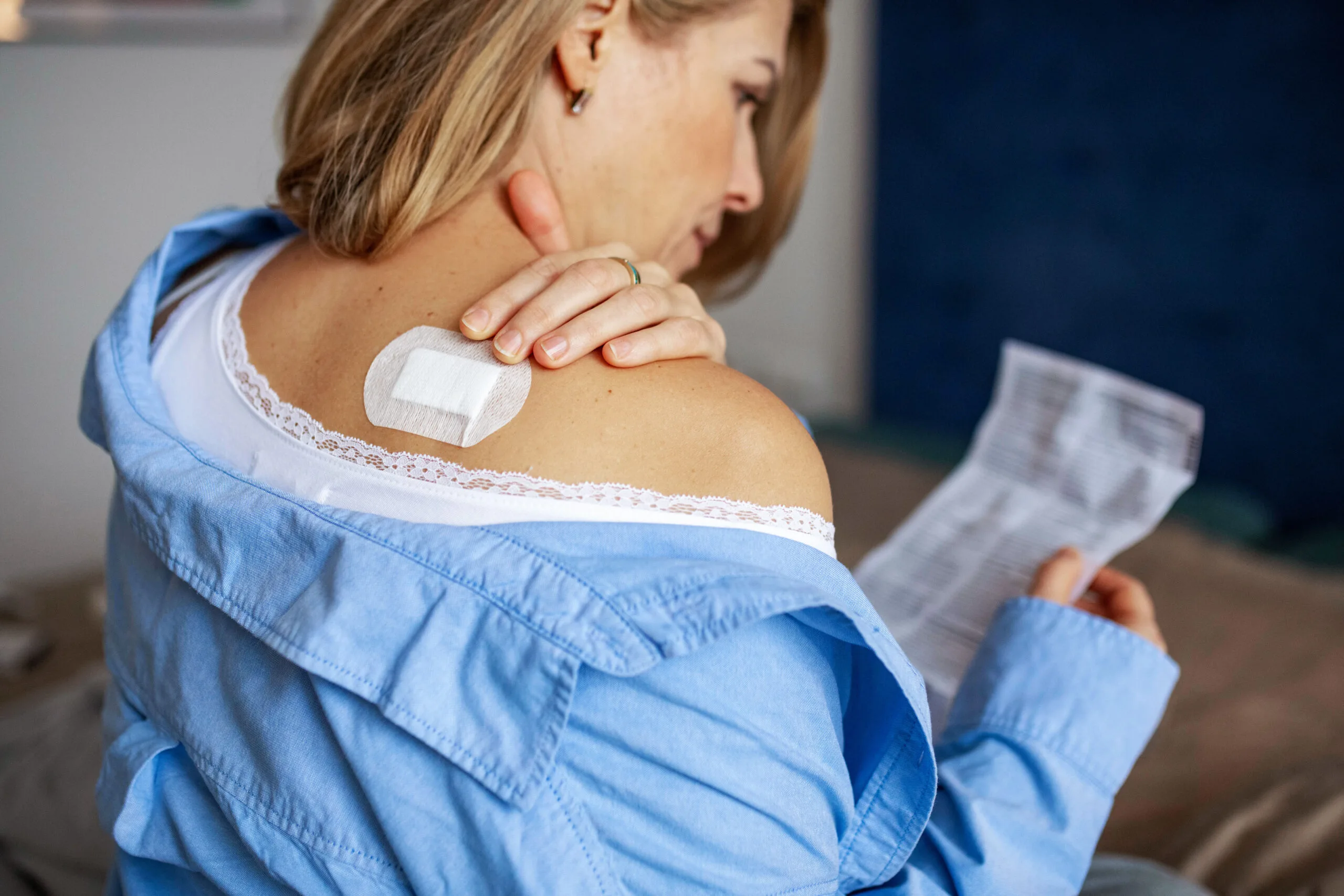
As a general rule, a moist wound environment heals much faster than a dry, scabbed one, which is why a simple, non-stick dressing is almost always a better choice than leaving a standard adhesive plaster on for days.
If you’re unsure about what a specific wound needs, it’s always worth popping in to see us. We can take a look at the depth and location of the wound, and help you choose the dressing that will actually support, rather than hinder, your healing process.


