

 Getty
Getty
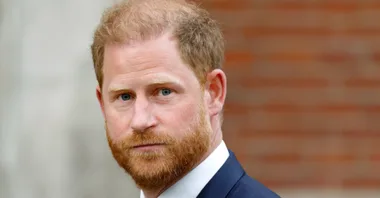
Six years after Prince Harry stepped down from royal duties, he appears to have everything he once said he wanted.
He left the monarchy vowing to become financially independent and to continue serving on his own terms. And in many ways, he has done exactly that.
From Melbourne to Sydney, Harry met sick children, veterans and frontline workers, while his wife’s outfits were instantly shoppable on AI fashion platform OneOff.
The children of the Duke and Duchess of Sussex are being raised far from the royal spotlight in what Diana biographer Andrew Morton once described to me as the “idyllic paradise” of Montecito.
Harry and Meghan no longer have to trot their kids out each year for Christmas cards or birthday portraits. Instead, they choose when the world sees Prince Archie and Princess Lilibet — often timed, conveniently, with the launch of a new flavour of As Ever jam.
On paper, the hard‑fought battle for freedom, autonomy and control of their public image seems won. But a new question now hangs over Harry: can he hold onto the life he’s built, or is it more fragile than it looks?
Walking a very fine line
While Queen Elizabeth made it clear after the Sandringham Summit that a half‑in, half‑out royal role wasn’t an option, Harry did it anyway and continues to reject the idea that he is no longer a working royal.
“I will always be part of the royal family,” he said during a recent visit to Ukraine with landmine clearance organisation HALO. “I am here working, doing the things that I was born to do.”
In the last few months alone, that “work” has included high‑profile humanitarian visits, global advocacy appearances and dropping in on Commonwealth nations.
What Harry does more than subtly mirrors traditional royal duties and continues to draw comparisons to that carried out by the working royals — a role Harry and Meghan insist they no longer hold, despite appearances.
“They’re not reliant on Harry’s father or taxpayer‑funded money,” an insider told People. “They pay their own bills and make their own money while continuing to support a lot of causes that might otherwise go unseen.”
So what does it matter? It is a problem because blurred lines create complications, maybe not for Harry, but for the Windsors who remain inside the institution, carrying the bulk of the official workload.
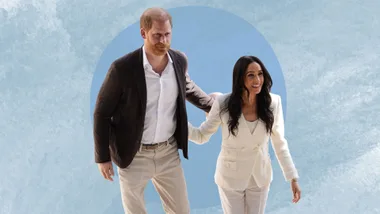
When messages collide
During his historic address to Congress in Washington DC on April 28, King Charles made a pointed reference to Australia.
“… a country of which I am also immensely proud to serve as Sovereign,” he said.
The timing raised eyebrows, coming so soon after the Sussexes carried out what critics labelled a “faux royal tour” here.
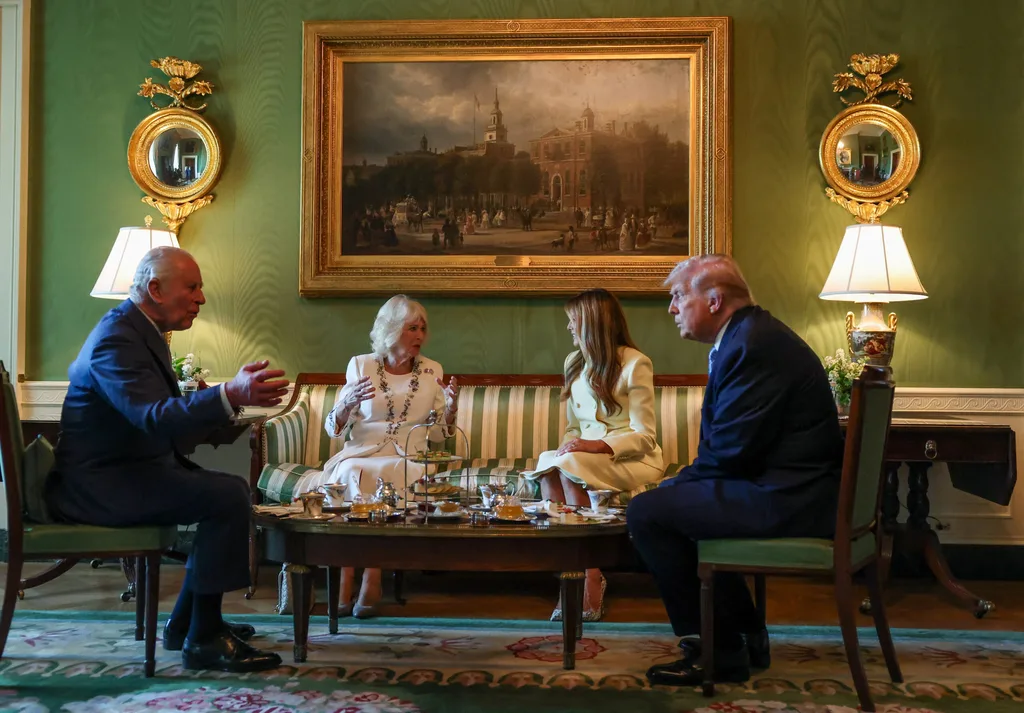
The King’s remarks formed part of a four‑day state visit to the United States, where he and Queen Camilla were focused on strengthening diplomatic relationships.
After months of heightened political tension between the US and the UK, the visit hosted by President Donald Trump was widely viewed as an important moment for stabilising dialogue between leaders.
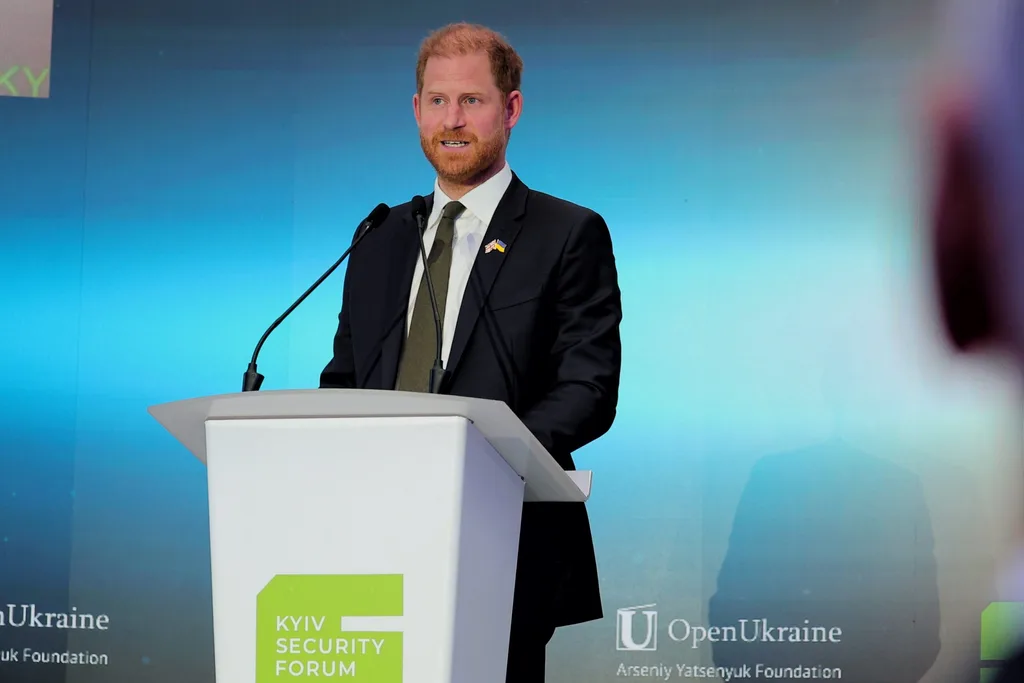
Harry, meanwhile, in the days before used his own independent platform to highlight the ongoing crisis in Ukraine.
During a speech in Kyiv on April 23 the prince emphasised the importance of America upholding their international commitments.
“This is a moment for American leadership, a moment for America to show that it can honour its international treaty obligations,” he said.
Harry’s words were well intentioned. Four years on from the Russian invasion, amid rising global instability, the conflict in Ukraine likely no longer gets the attention it deserves.
But will anything he says change the course of the conflict? Of course not.
The real work happens behind closed doors — between diplomats, advisers and elected officials.
These were the very people the King was there to charm with with soft power diplomacy so his British counterparts could open a successful dialogue with the US in hopes of bringing about real change.
During what was likely already a very stressful week for the King, an uncomfortable question lingers. Did Harry’s comments make the job tougher for his father?
The Sussex problem returns
During the quiet years of Covid, it was easy for the Windsors to ignore the Sussex problem as the couple laid low.
Then came the tell‑alls, the documentaries, the memoir and the multi‑million‑dollar deals — a period defined by Harry’s determination to be heard.
For a time, the noise was so loud it drowned out everything else.
When that storm eventually passed and the couple shifted their focus to business ventures and philanthropic work, perhaps the palace hoped the Sussexes were fading into the background and the couple’s influence would naturally wane.
But that was a miscalculation. They weren’t retreating — they were regrouping.
With each successful “toe‑dip”, the Sussexes have grown bolder.
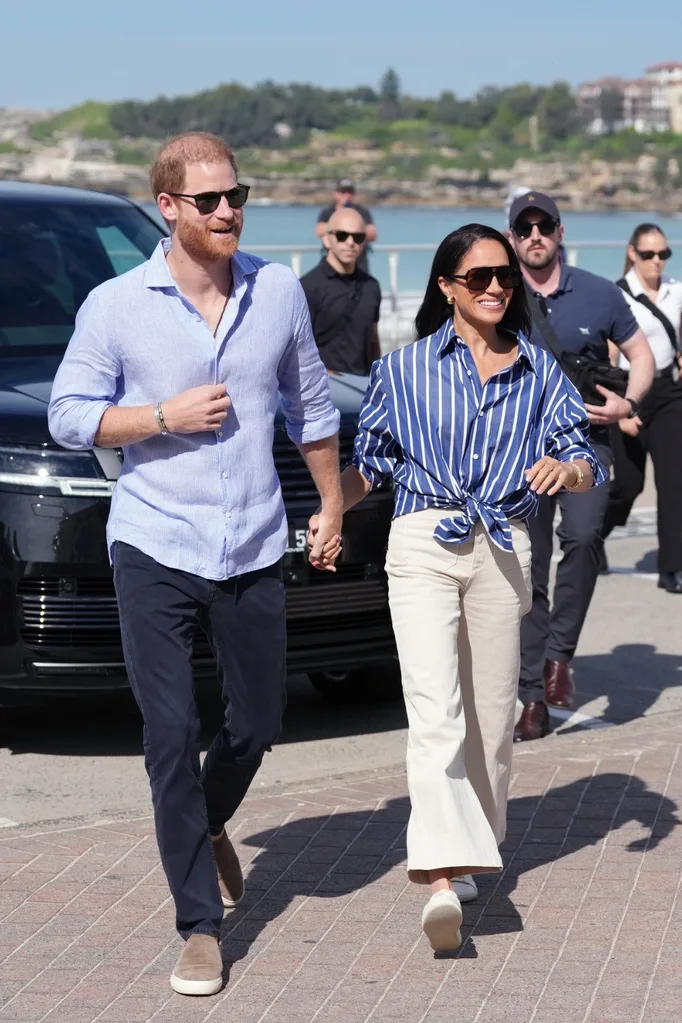
Their 2024 visits to Nigeria and Colombia paved the way for a far more ambitious project: their high‑visibility trip Down Under, where they were greeted by cheering fans and wall‑to‑wall media coverage.
They were quick to insist it wasn’t a royal visit. But having covered their trip — and King Frederik and Queen Mary’s a month earlier — it was almost impossible to distinguish between the two.
Each appearance has only reinforced the Sussexes’ relevance, their global reach and their ability to command attention without the palace’s permission.
And their time in Australia, blending philanthropy with commercial ventures, was so successful that sources close to Team Sussex say they now view it as the “blueprint” moving forward.
Other Commonwealth countries, including Canada, are being quietly discussed as potential next steps — all before making any attempt to re‑enter public life in the UK.
What can the King do?
With the Sussexes operating fully outside the fold, there is no control King Charles — or later, King William — can exert over Harry.
If the Sussexes were representing the Crown in a limited formal capacity as they had asked, the palace could set boundaries and threaten to take it away when things got out of control.
But the only real card left for the institution to play is the nuclear option: stripping their titles.
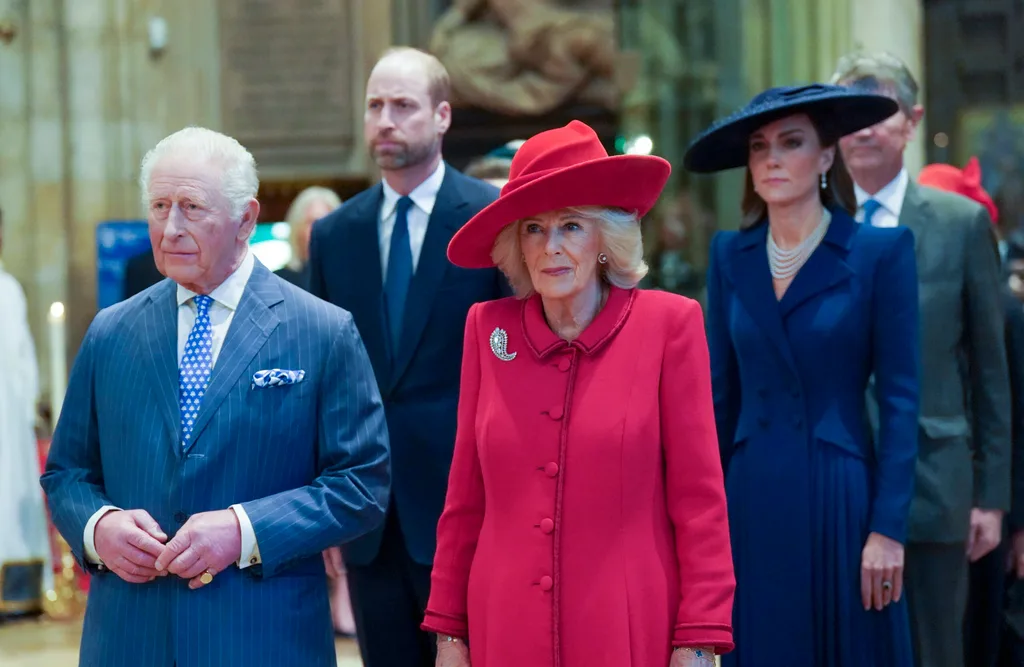
But would it achieve anything? Would anyone ever stop calling him Prince Harry even if the titles vanished tomorrow?
Whatever his name, Harry remains the grandson of Queen Elizabeth II, the son of King Charles III and the son of the Queen of Hearts, Princess Diana.
It is more likely that the move would backfire and provoke backlash.
Harry gave up his patronages and military honours but has made it clear how deeply he values his birthright.
Removing his title could turn him into a full‑time critic, a professional complainer with a global platform and nothing left to lose.
And yet, there’s a counter‑argument. As I recently told People magazine, “[the] magic and allure of a royal doesn’t necessarily come down to a title.”
Zara Tindall, the cousin who has arguably carved out the most successful life outside the palace, has never been called a princess.
Without the weight of being a prince, duke or duchess, Harry and Meghan might find the freedom they’ve always claimed to want.
But only if they make the call and give it up themselves.
A life built on control and vulnerability
Harry has spent six years building a perfectly curated life: financial independence, global advocacy, a controlled public image, a safe haven for his family.
It is, in some ways, admirable, but it is also incredibly precarious.
His public identity relies on a delicate balance. Harry must be royal enough to command attention yet independent enough to reject the institution.
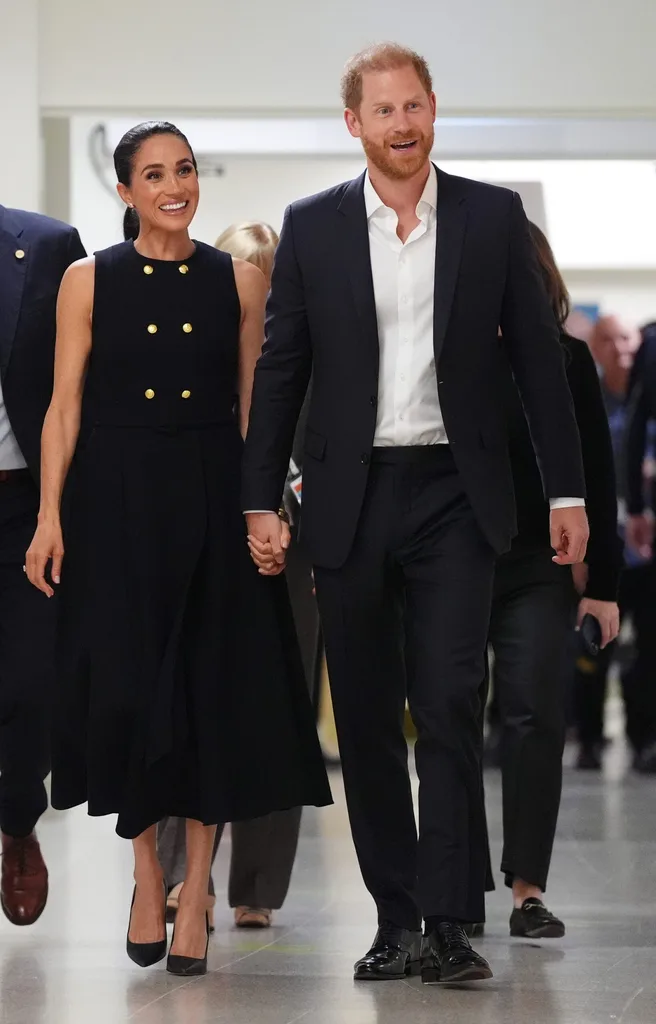
One misstep, one backlash, one shift in public sentiment, and the entire structure could wobble.
The question now isn’t whether Harry has won his freedom. It’s whether he can keep it standing.
Because even the strongest houses can fall if the foundations are built on contradiction.
Read more expert opinion and analysis in WHO’s The Royal Verdict with Kylie Walters here.

