

 Getty
Getty
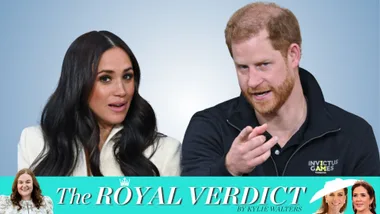
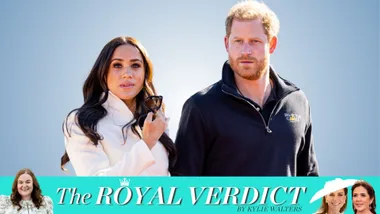
Just in case there were any doubts over what the Duke and Duchess of Sussex were doing back in the UK, King Charles has made his position clear. Prince Harry and Meghan remain non‑working royals.
The message was delivered in a letter sent by the Lord Chamberlain to senior government and military officials at the King’s direction, with the stated aim of helping to “avoid doubt or confusion” over the Sussexes.
Their HRH styles are not to be used and their charitable work is not carried out on behalf of the monarchy. And, in the rather brutal language of the Palace, their position is “akin to private citizens with commercial and charitable interests”.
For those who understand the intricacies of royal protocol, there is no shock or change. For everyone else, however, it feels less clear.
Because on paper, the distinction between a working royal and a royal who doesn’t work for the institution is enormous. But in the public’s imagination, it is considerably less clear.
The King draws a clear line
The King is clearly keen to remove any ambiguity and he has good reason to do so.
Harry and Meghan have recently returned to Britain after more than six years away, bringing with them the very high public profile they have maintained since leaving royal duties.
The letter was not announcing a new settlement but it was reaffirming the arrangement reached in 2020.

At the Sandringham Summit, Queen Elizabeth II agreed that Harry and Meghan would step back from royal duties, that they’d no longer receive public funds and would not use their HRH styles because they were no longer working members of the Royal Family.
Now back in the UK, the couple are keen to reconnect with former patronages and charities, but their return to Britain has not changed the deal.
Charles is simply making sure everyone else understands it. Yet the extraordinary fallout from the letter demonstrates exactly why the Palace feels the need to clarify it.
The fallout for the Invictus Games
Within hours of the King’s letter, Uganda announced it was withdrawing from the Invictus Games.
“In order not to be construed as being opposed to His Majesty King Charles III of the United Kingdom, whom we deeply revere, Uganda hereby withdraws from the Invictus Games,” General Muhoozi Kainerugaba said in a post on X.

The timing was striking. Uganda had only joined the Invictus community in July, years after Harry had ceased to be a working royal.
Sources close to Harry have subsequently described the withdrawal as a “direct consequence” of the Palace’s guidance.
And there, inadvertently, is the problem with calling Harry a private citizen. He may not represent the Crown, but people around the world still understand him through his relationship to it.
What the public see in Harry
This is where the Palace’s carefully constructed distinction between a royal and a working royal becomes rather fine.
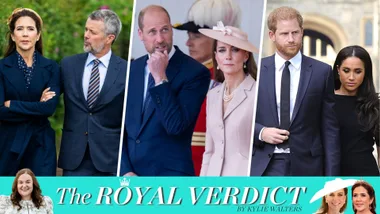
There are currently 11 official working members who undertake engagements in support of the King, including Princess Anne, the Prince and Princess of Wales, the Duke and Duchess of Edinburgh and several of the late Queen’s cousins.
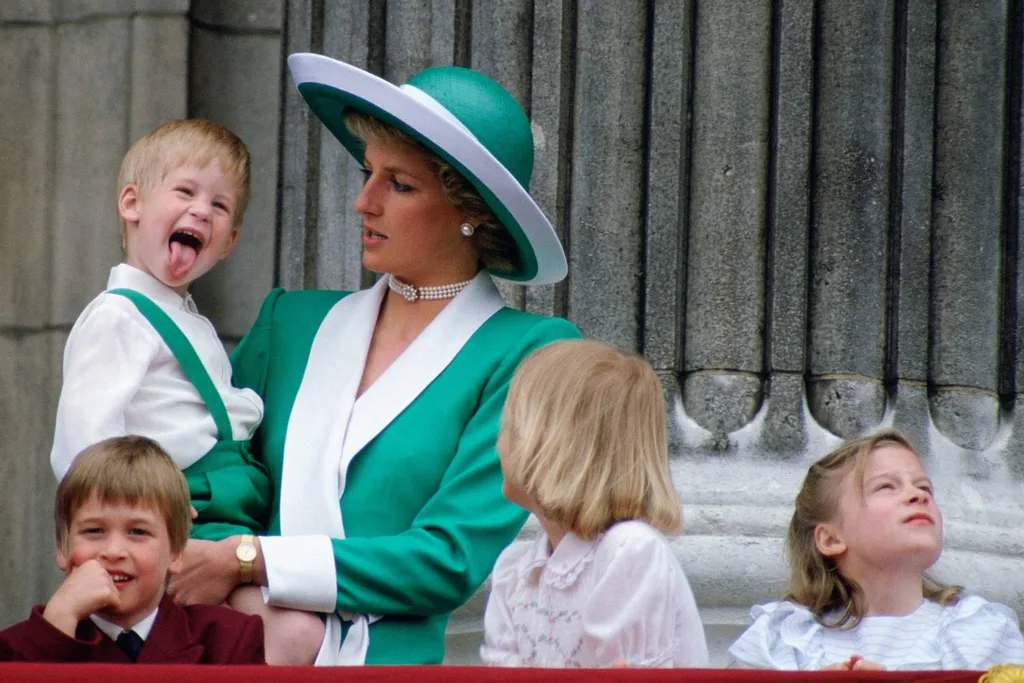
But if Prince Harry turns up at a veterans’ event and does good work, does the charity’s audience really care whether he is doing it on behalf of the Crown or in his private capacity? For royal aficionados, absolutely. For the wider public, perhaps not.
All they see is Prince Harry. People see the son of King Charles, grandson of Queen Elizabeth II, brother of the future king and uncle of the next generation of heirs. They see the man who continues to describe his job as being “Prince of England”.
They don’t suddenly stop seeing him as royal because a letter says his charitable work is private and the same applies to Meghan. She is no longer a working member of the Royal Family, but she remains the Duchess of Sussex and one half of one of the most recognisable royal couples in the world.
Their children, Prince Archie and Princess Lilibet, remain respectively sixth and seventh in line to the throne. Their royal connection is not something that can simply be blotted out.
The Sussex grey zone
Indeed, the Sussexes have been navigating this grey area ever since they left.
Their overseas visits have often looked remarkably similar to royal tours, even when privately organised.
While their 2026 visit to Australia was privately funded and not undertaken on behalf of the Royal Family, Harry and Meghan still visited the Royal Children’s Hospital, the Australian War Memorial and participated in an Invictus event in Sydney.

At Sydney’s Opera House, they shook hands and took selfies with the dozen of people who’d shown up hoping to catch a glimpse.
They attracted public and media attention because, well, they are Harry and Meghan.
That is the peculiar territory the Sussexes have occupied for years. They are not working royals, but they are royal people doing royal‑looking things — and that is a much harder distinction to police.
Consider Meghan’s much‑discussed use of “HRH The Duchess of Sussex” on a card accompanying a gift of ice cream and strawberry sauce to her friend Jamie Kern Lima.
The image caused a fuss because Harry and Meghan agreed not to use their HRH styles publicly, but the agreement has never taken away the styles themselves. They remain formally theirs, with the Sussexes arguing they can use them for personal rather than commercial circumstances.
That episode perfectly illustrates the absurdly fine lines involved.
What has actually been removed?
This is the question at the heart of the King’s letter.
Harry remains the King’s son. He remains a prince, fifth in line to the throne and one of the world’s most recognisable members of the British royal family.
So what exactly has been removed? His job, rather than his identity.
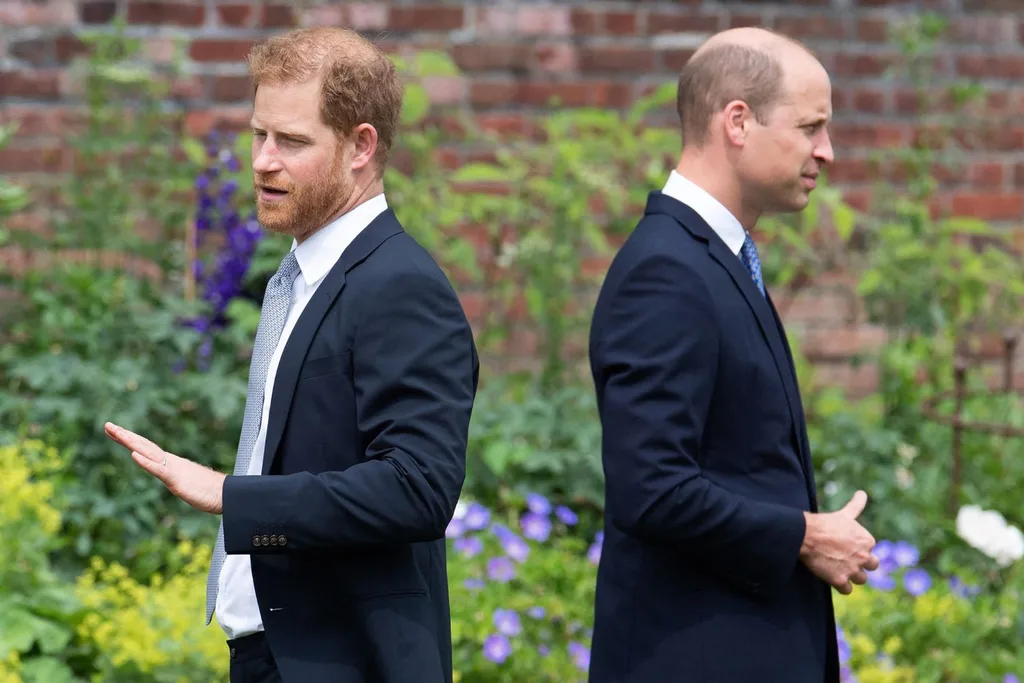
And that is why Charles’s letter, while an important institutional statement, may ultimately change less than the Palace would like.
The King can determine who represents him and who undertakes official duties and he can make it absolutely clear that Harry and Meghan do not speak for the Crown. But he cannot determine how the public categorises them.
Take Zara Tindall. She has never been a working royal and does not have a royal title. Yet would anyone seriously suggest she isn’t royal?
Of course not. She is the granddaughter of a queen, daughter of the Princess Royal, niece of a king and cousin of the future king. Her royal identity exists independently of whether she has an entry in the Palace diary.
Harry’s connection is even closer to the heart of The Firm. The idea that the public will suddenly regard him as an ordinary private citizen because the Palace has formally classified him as one is unrealistic.
Have the Sussexes won after all?
And perhaps this is the uncomfortable truth at the heart of the entire Sussex saga.
Harry and Meghan have arguably ended up with the most useful version of royal status. They have the visibility and fascination that comes with being royal without the daily obligations of being working royals.
They can choose their causes, where they live, and what charity work they undertake. And when they do any of those things, the enormous global interest in them remains partly fuelled by the fact that they are — and will always be — royals.
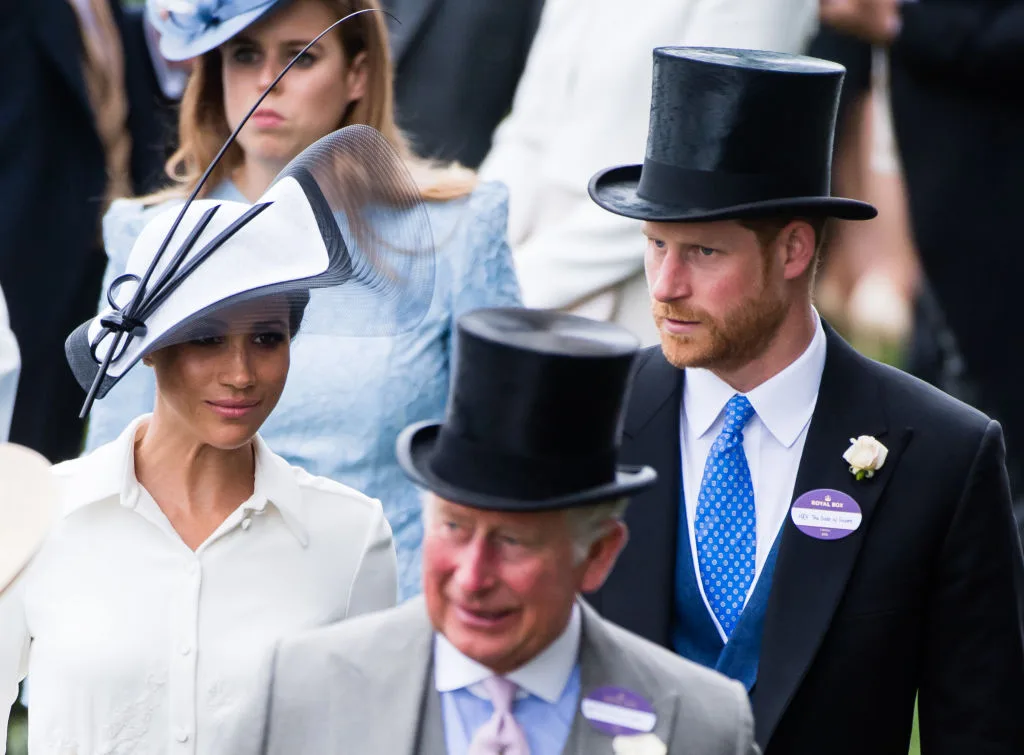
That does not mean they have the institutional power of William and Catherine. They don’t. But the Palace cannot erase the reason people remain fascinated by them in the first place.
Because whether they are representing the Crown, representing themselves or simply walking into a room, people will still see Prince Harry and the Duchess of Sussex.
The King may have won the argument over what Harry and Meghan are officially. But the public gets to decide what they are culturally.
Six years after they walked away from royal duty, that answer remains remarkably simple. They are royals.
Read more expert opinion and analysis in WHO’s The Royal Verdict with Kylie Walters here.

