

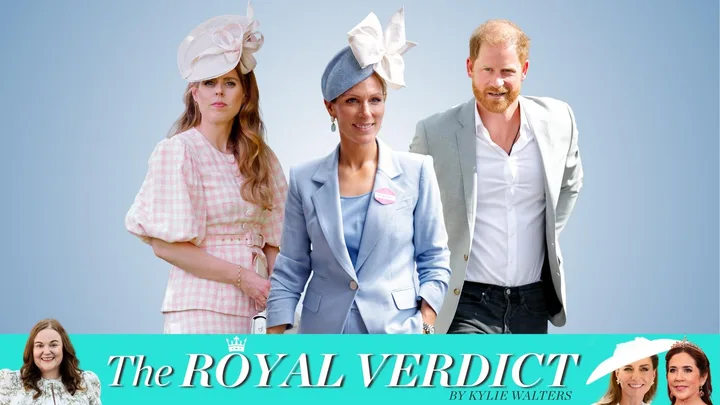
 Getty
Getty
There is no doubt that being born an aristocrat offers a life of privileged perks, but for those who will never inherit the crown, have their royal titles become a burden?
This is a question modern monarchies are increasingly being forced to confront as they slim down in size, costs and expectations, with more relatives building careers outside the palace walls.
Forging a life beyond the institution is possible either way, but the ones who have ditched their titles altogether seem to fare far better.
In 2026, the case for minor and non‑working royals to let go of their styles has never been stronger.
The title trap
For decades, a royal title acted as a soft guarantee of status — a shortcut to access, perks and a certain level of public interest.
But today, titles have become something else. They are a liability in a world that increasingly rejects hierarchy.
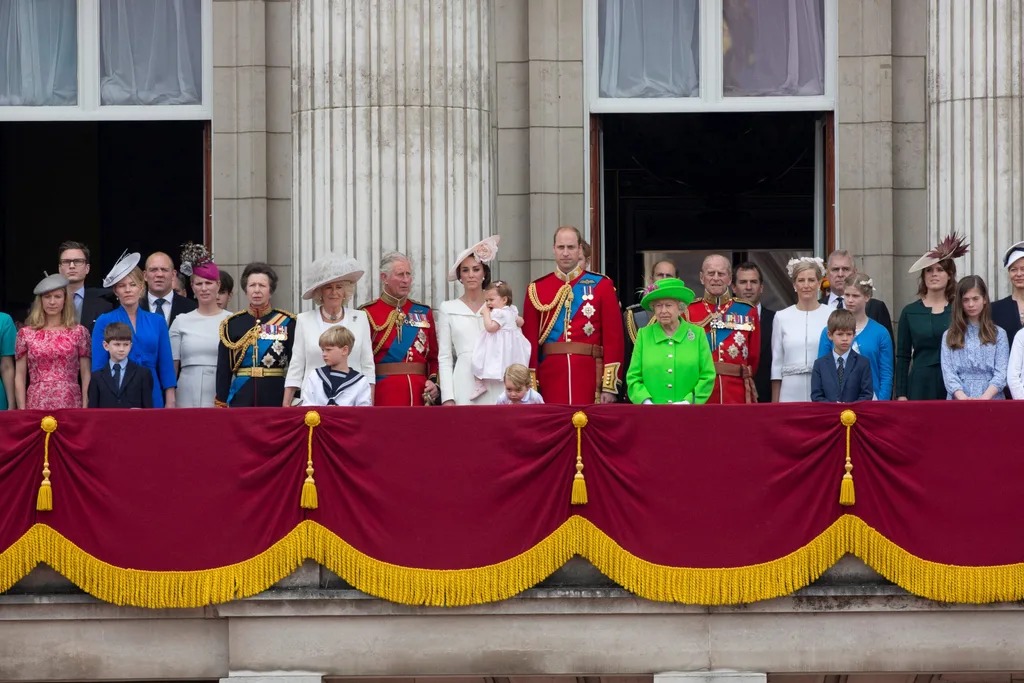
Having a title invites a certain level of scrutiny at a time when privacy is priceless.
For non‑working royals — the cousins, the spares, the siblings of future monarchs — it creates an almost impossible-to-manage bind.
They are expected to behave like royals without the protection of the institution, earn a living without monetising their lineage and be visible without overshadowing the main players.
It is a job description no one would apply for, but for many, it is the only identity they have ever known.
The Sussex paradox
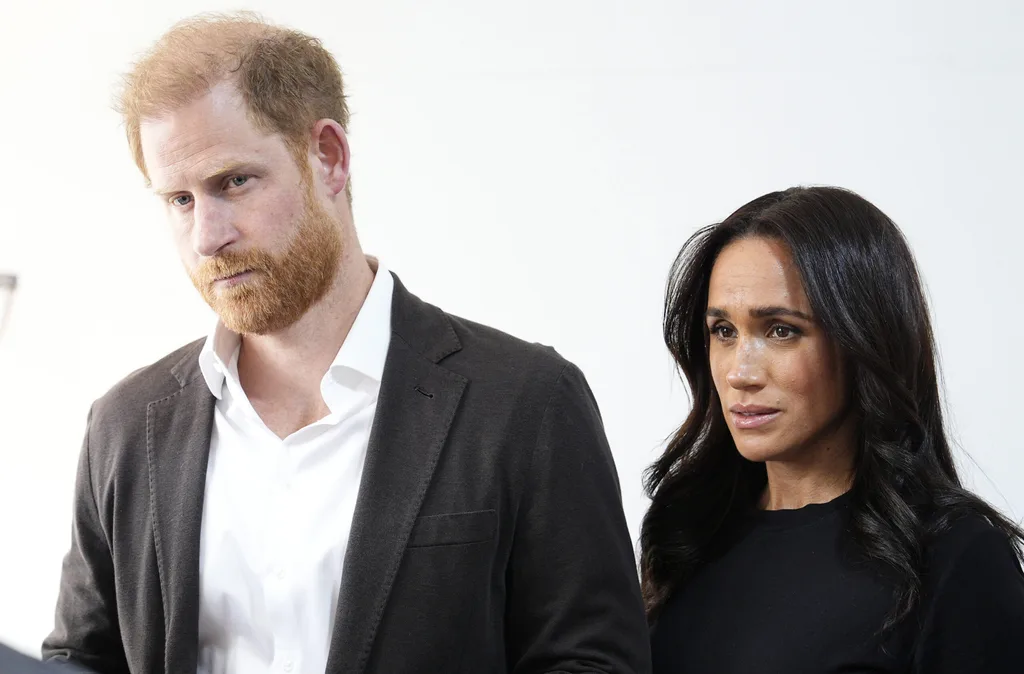
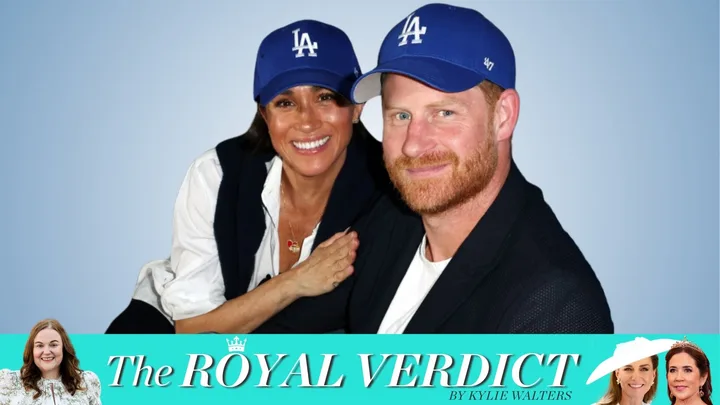
Harry and Meghan have become the most high‑profile example of this tension.
The Duke and Duchess of Sussex attempted what previous generations had quietly tried before them: a half‑in, half‑out model where they could step back from royal duties while still representing the monarchy part‑time and earning their own income.
Immediately, it became obvious that it wasn’t going to work. For an example, they only need to look at the Duke and Duchess of Edinburgh.
Prince Edward tried to carve out a career in TV production, until a string of embarrassing mistakes including the infamous It’s a Royal Knockout episode his company breaking a strict media privacy agreement after they were caught attempting to film Prince William at St Andrews University, forced Queen Elizabeth to deliver an ultimatum.
Similarly, his wife Sophie attempted to keep running her PR firm until she was caught on tape making indiscreet comments to the News of the World‘s “fake sheik”.
Today, though, they are beloved as full-time working members of The Firm, the scandals largely forgotten.
Harry and Meghan initially set out on the same path, but choose the much more drastic option of ditching royal life altogether when pressed.
“Just call me Harry,” he introduced himself while giving a speech at a Travalyst summit in Scotland, within days of the shock news being announced.
But in the years since, the couple continue to be billed as the Duke and Duchess of Sussex — a contradiction that sits uneasily with their desire to forge an independent identity.
While their early commercial deals created buzz, the end of their Spotify partnership and Netflix deal show that novelty of being royalty isn’t enough.
A title doesn’t guarantee long term success quite in the same way that work hard and talent does.
The European experiment
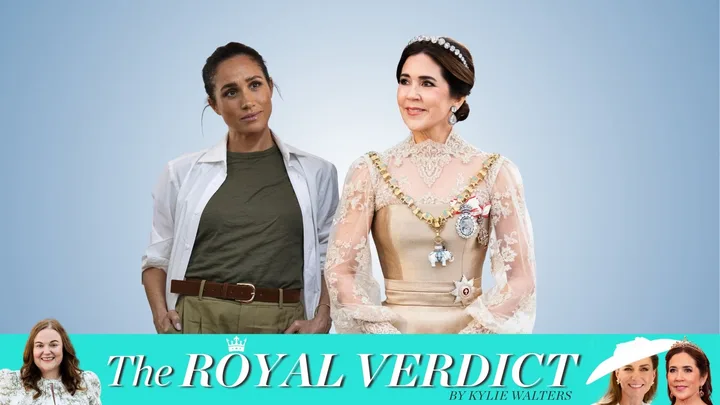
If you want to see what happens when a monarch strips titles, just look to Denmark.
When Queen Margrethe II announced in late 2022 she was taking away the prince and princess titles of four of her grandchildren, the backlash was fierce, from the public and from Prince Joachim, whose children were affected.
“With her decision, Her Majesty the Queen wants to create a framework for the four grandchildren, to a much greater degree, to be able to shape their own existence without being limited by the special considerations and obligations that a formal affiliation with the Royal House as an institution implies,” the palace said at the time.

But once the initial outrage was over, her grandchildren have done just that. The eldest, Count Niklolai, is successfully carving out his own career in fashion and business.
After studying at the University of Technology in Sydney, he is also a frequent visitor Down Under, where he is able to move around with a great degree of flexibility and privacy.
Look up next time you’re on a Sydney bus to see who is in the seat next to you and it might just be the former prince. I know people this has happened to.
Time has made Margrethe’s logic clearer, that titles can be far heavier to carry than they look.
The British dilemma
Nowhere is the title debate more fraught than in the UK, where the monarchy is a global brand scrutinised the world over.
Princess Beatrice and Princess Eugenie are the clearest examples of the modern title problem.
They are HRHs who do not undertake royal duties and have carved out their own careers. Despite their proximity to the crown, they are sill not close enough to use it in a meaningful way.
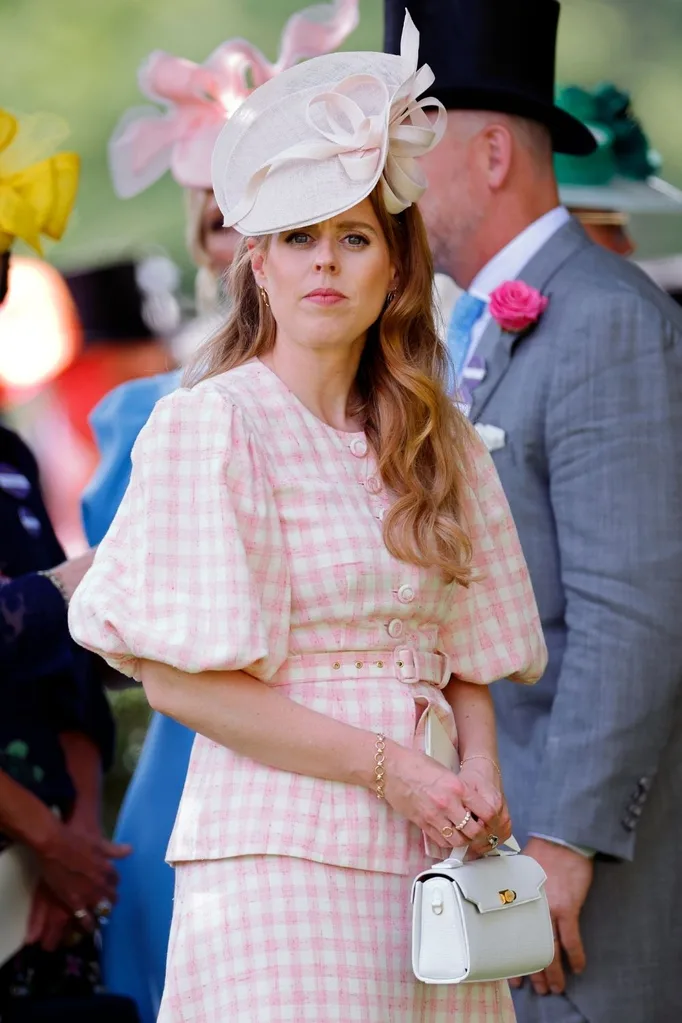
Yet, their titles tether them to an institution they do not officially serve and receive no money from, inviting in criticism and questions over everything from how many vacations they take to how much money they have in the bank.
Every charity appearance sparks questions about whether they are “working royals”, every job move triggers speculation about whether they are trading on their blue blood.
It is no surprise that, behind palace gates, the idea of the York sisters voluntarily stepping back from their titles has resurfaced more than once.
And then there are Harry and Meghan. They should be cautionary tale of what happens when you try to live a post‑royal life while still carrying royal titles.
However, they have been happy to pass this problem on down to their own children.
Despite Omid Scobie’s early report in Finding Freedom that they had declined a courtesy title for Archie at birth in an “attempt to give him a normal life”, the couple asserted their children’s right to be styled Prince and Princess once their grandfather, Charles III, became King.
The freedom of letting go
The most successful royals who have forged lives outside of the palace are the ones who don’t have titles or opt out of using them.
Princess Anne declined titles for her children, Zara Tindall and Peter Philips, at birth.
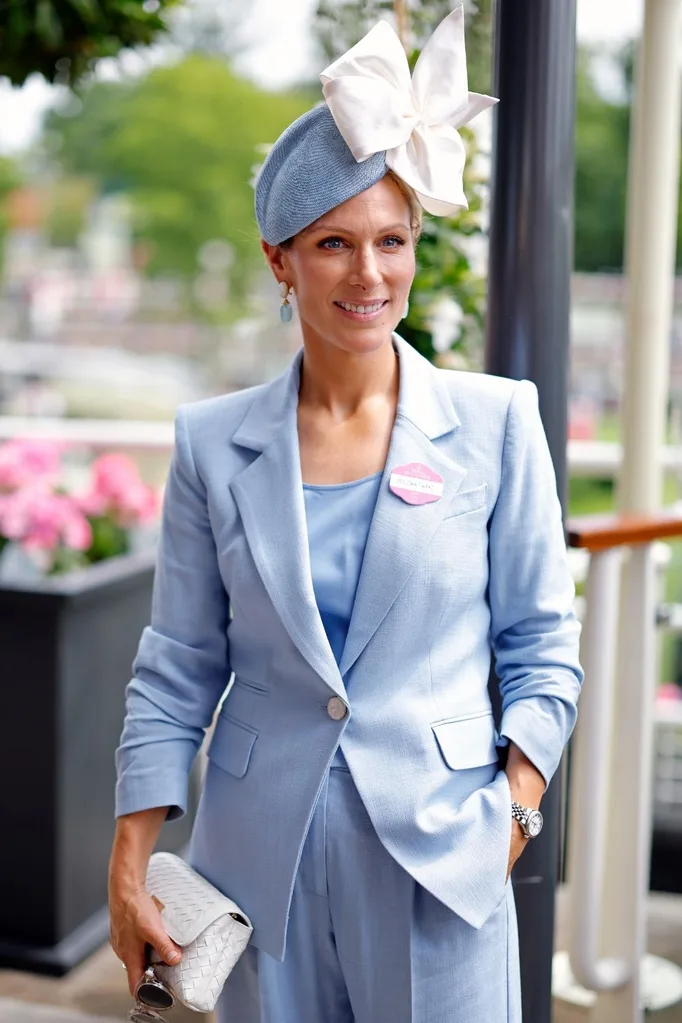
“I think it was probably easier for them,” she told Vanity Fair of the impact.
Indeed, it has not held her daughter back. Zara has been married to ex-rugby star Mike Tindall for almost 15 years. They share three children. Zara is a silver medal-winning Olympic equestrian. Both she and Mike have a series of multi-million dollar contracts endorsing everything from pizza to watches.
But since she has never had a title, they are never accused of “cashing in”; they are simply working.
“From my point of view, I was obviously very lucky that my mother didn’t give us any titles. I really commend her on that,” Zara told the BBC. “We were very lucky that we got to do it a bit our own way.”
The generational shift
Royal families are watching all of this closely. The old model, where every royal child received a title as a birthright, simply doesn’t work anymore.
Modern monarchies need fewer working royals, not more. Titles for non‑working royals muddy the waters at a time when the public demands transparency.
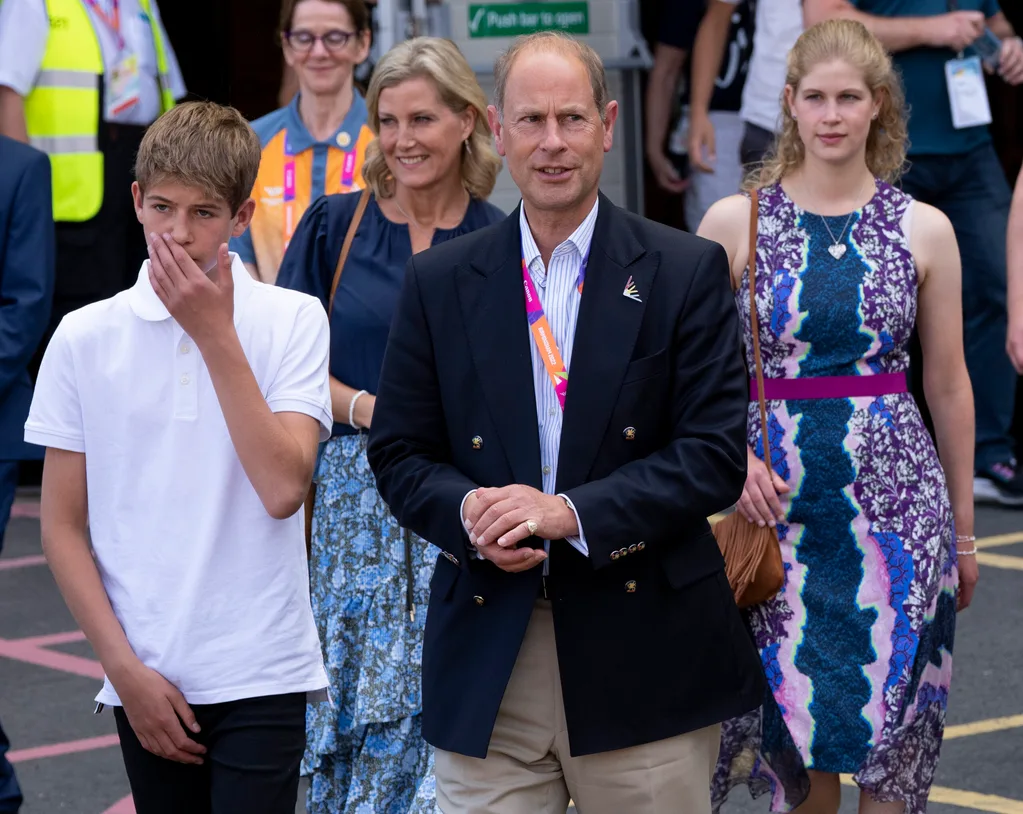
Lady Louise and James, Earl of Wessex, are technically a prince and princess given they are the grandchildren of Elizabeth II. However, their parents, Edward and Sophie, decided not to use these or their HRH styling upon their birth.
“We try to bring them up with the understanding they are very likely to have to work for a living,” Sophie told the Sunday Times.
When each child turned 18 and was given the choice, they continued not to use them, a decision that will no doubt make the transition to the workforce easier for Louise once she finishes her studies at the University of St Andrews.
So, should non‑working royals ditch their titles?
In Denmark and in England, it is hard to imagine titles being given out to the children of anyone other than the offspring of heirs, Crown Prince Christian and Prince George, in the future.
However, that leaves us with a generation now who must decide what to do.
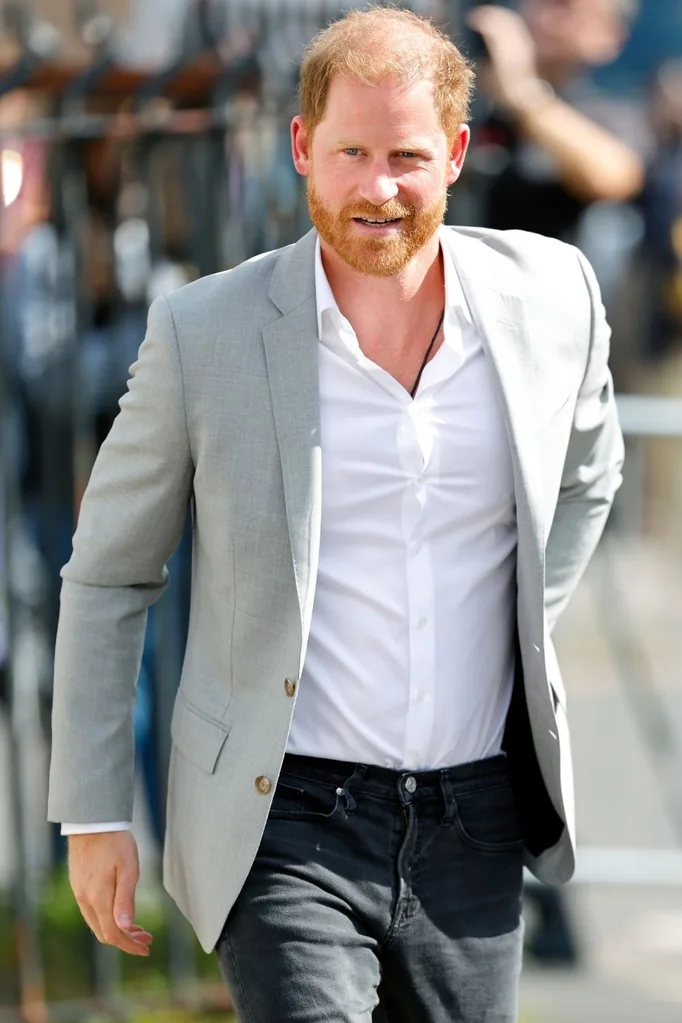
If monarchies want to survive the the decades to come, the answer to whether they should voluntarily ditch their titles is increasingly yes.
Not because titles are bad or because tradition has no place. But because the world has changed and the role of royalty has changed with it.
A title without a the royal job to go with it is a burden. The royals who chose not to use it don’t diminish the institution, but rather, it has become the best way they can serve it.
Read more expert opinion and analysis in WHO’s The Royal Verdict with Kylie Walters here.

