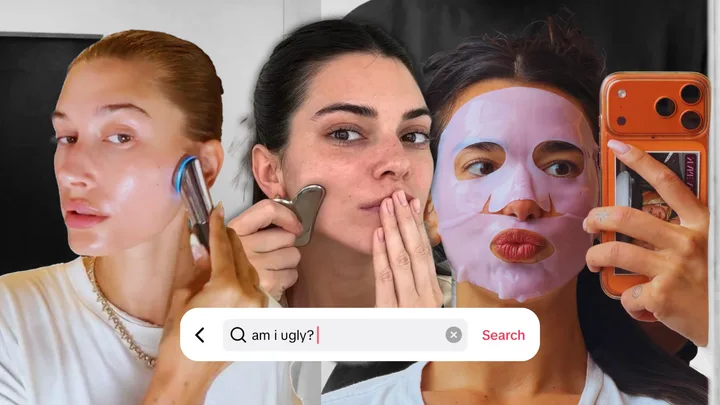
Every morning without fail, I wake up with a puffy face — even after a full eight hours of sleep. My eyes appear swollen, cheeks a little rounder than usual, and, if I’m lucky, the fluid around my neck mimics a double chin. Glamorous, I know.
For most of my mid-to-late twenties, I was under the impression that waking up slightly swollen was just a normal by-product of a good night’s sleep.
That was until I was ambushed by puffy face content while scrolling TikTok. In one video, a user with a perfectly slender face told me: “You’re not ugly, you’re just puffy”. Another claimed she was “quitting caffeine to get her face back”, while numerous others diagnosed me with cortisol face.
Yes, I spiralled briefly over my morning moon face, and contemplated a complete overhaul of my skincare routine.
But, because by now I know better than to take what I see on the internet at face value – puffy or not – I consulted facialist, April Brodie, to work out just how concerned I should be (and how I can fix it).
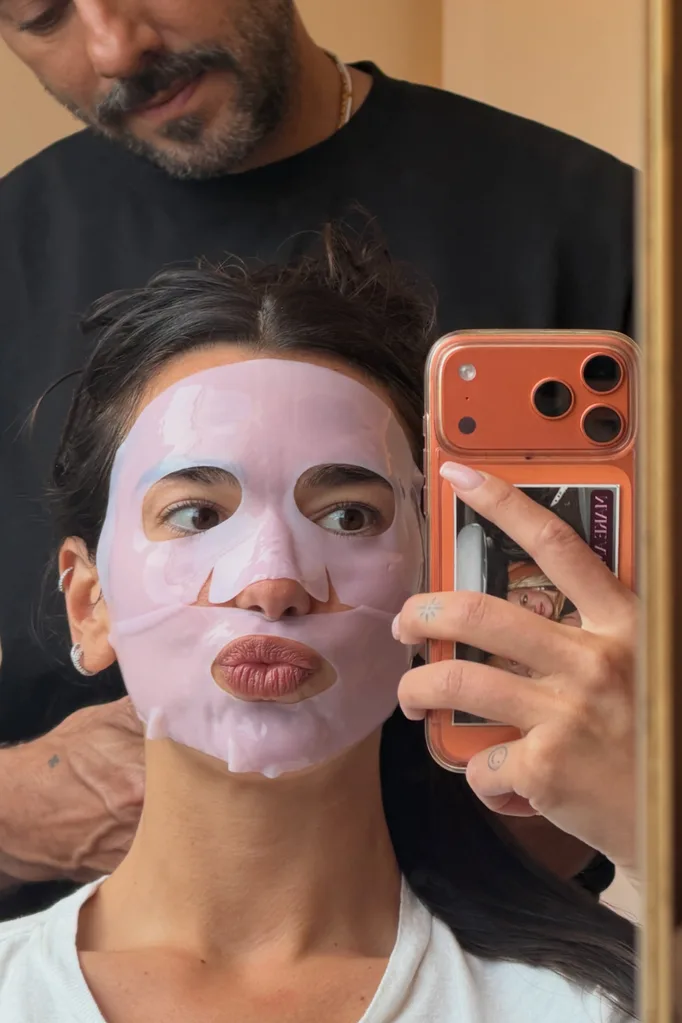
What causes a puffy face in the morning?
I’ll admit, a bloated face isn’t exactly the nicest thing to wake up to. However, Brodie explains that it’s normal for our faces to be mildly puffy first thing.
“While we sleep, fluid naturally redistributes and can accumulate in the tissues of the face, particularly around the eyes and cheeks,” she says.
“In most healthy individuals, this resolves naturally as we become upright and move throughout the day.”
Other common causes include:
- High salt intake
- Alcohol consumption
- Dehydration
- Poor sleep quality
- Allergies
- Sinus congestion
- Hormonal fluctuations
- Stress
- Inflammation
Brodie also notes that some medical conditions affecting the thyroid, kidneys, heart or lymphatic system can also contribute to facial swelling.
So, how can I treat it?
According to Brodie, staying hydrated, getting quality sleep, exercising regularly and reducing alcohol and salt intake can tackle a swollen face head-on.
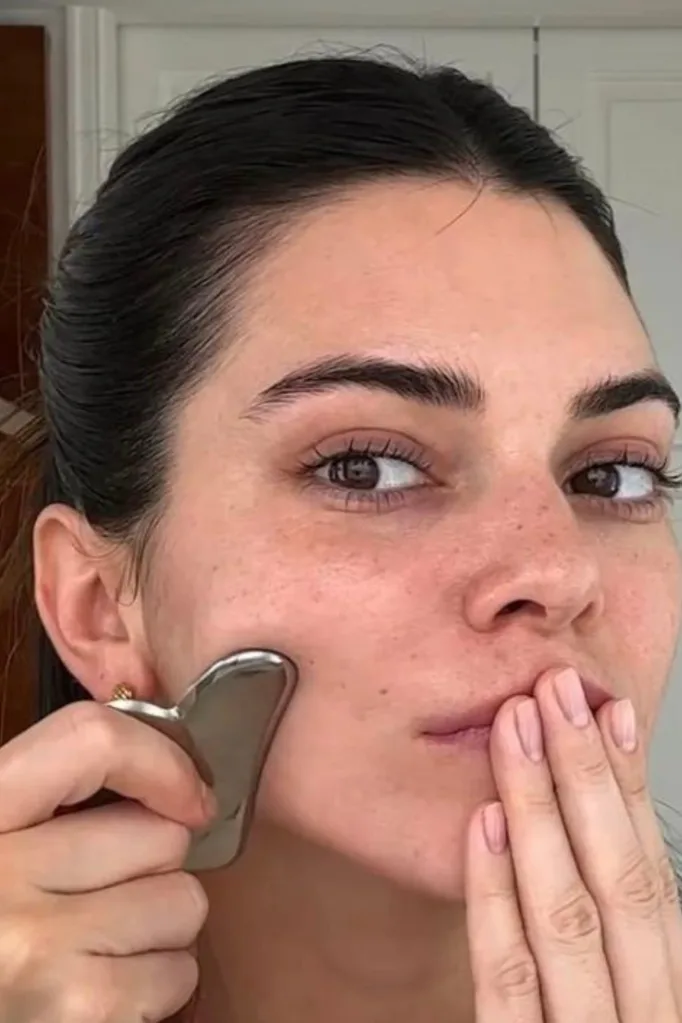
Other accessible ways to “de-puff” include Gua Sha, ice rolling and lymphatic drainage massage.
“These techniques can temporarily improve the appearance of facial puffiness by encouraging fluid movement and increasing circulation,” she explains.
“Cold therapies such as ice rolling cause blood vessels to constrict, which can temporarily reduce visible swelling.”
And, while serums and creams wont magically pull the plug on puffiness, Brodie says some ingredients can reduce its appearance.
“Caffeine is one of the best-supported cosmetic ingredients for reducing the appearance of swelling… its primary mechanism is vasoconstriction, which can temporarily reduce blood flow and the visible look of puffiness,” she says.
“Green tea extract, niacinamide, and other antioxidants may help calm inflammation and support overall skin health, which may indirectly reduce the appearance of reactive puffiness.”
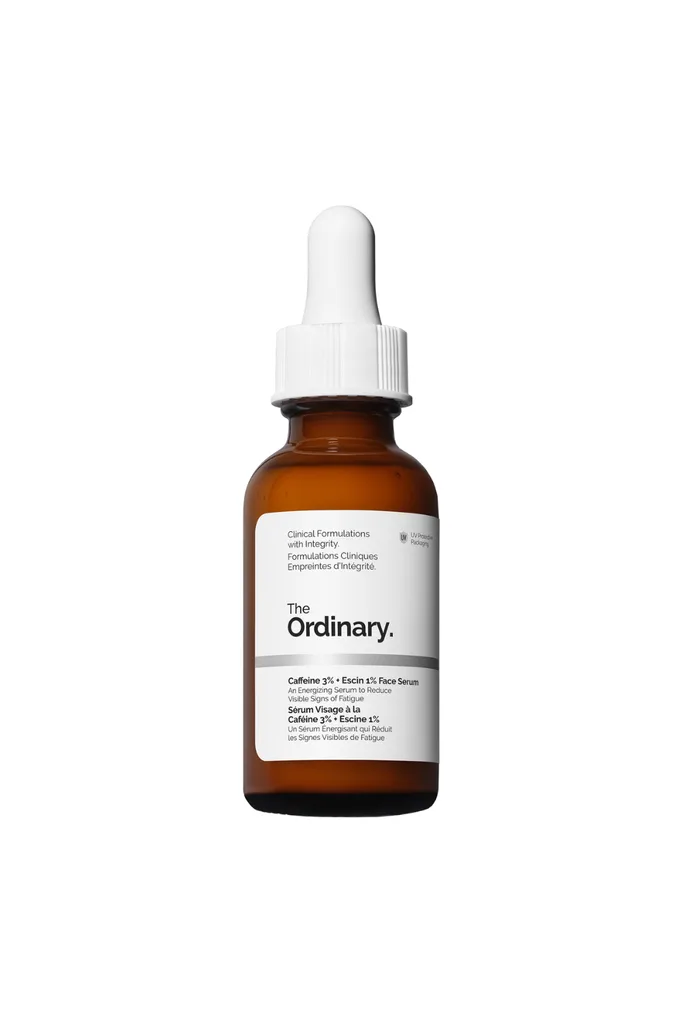
The Ordinary Caffeine 3%
$14 at Sephora
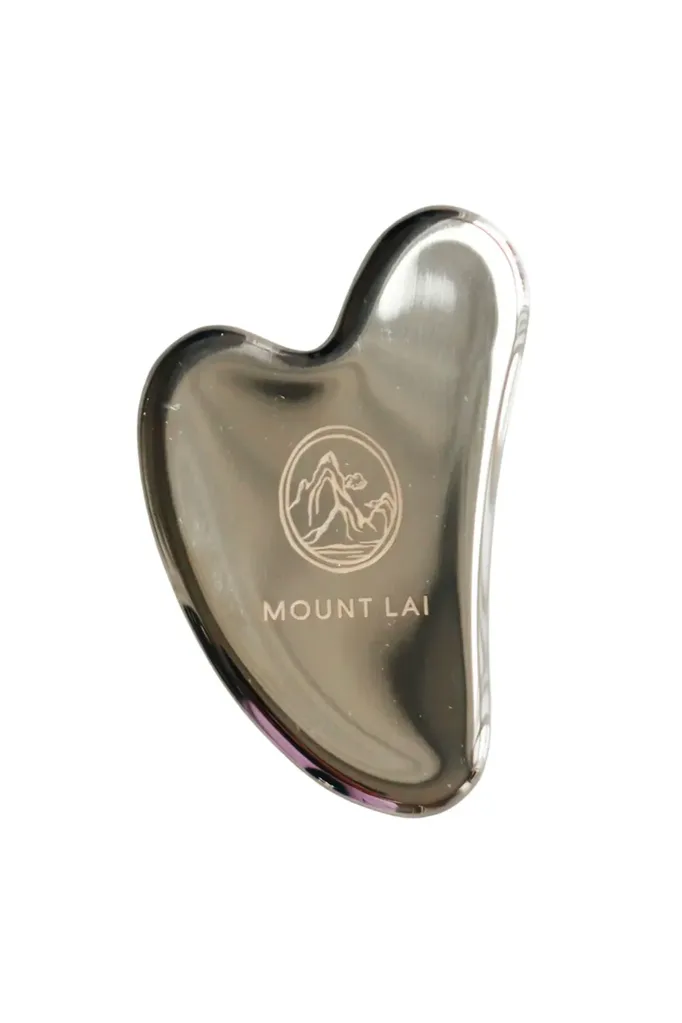
Mount Lai Gua Sha
$54 at Sephora
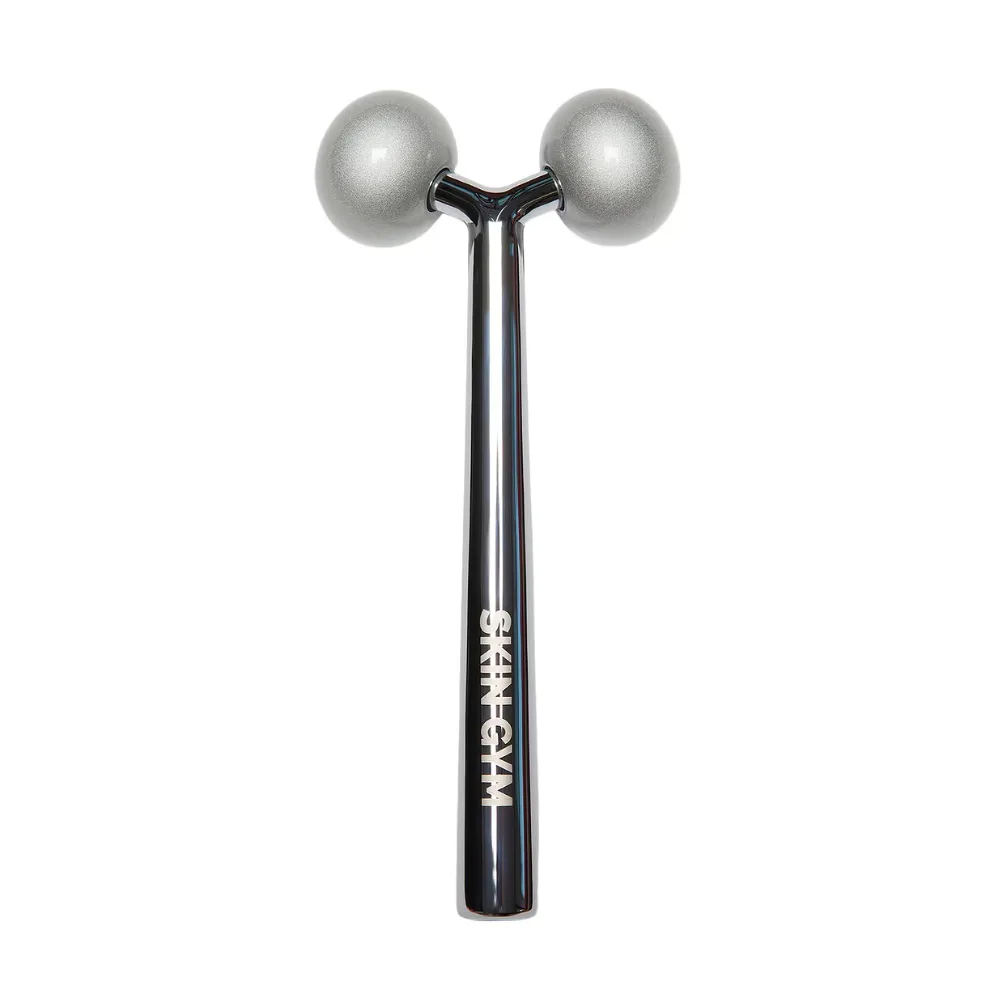
Skin Gym Face Sculptor
$108.05 at REVOLVE
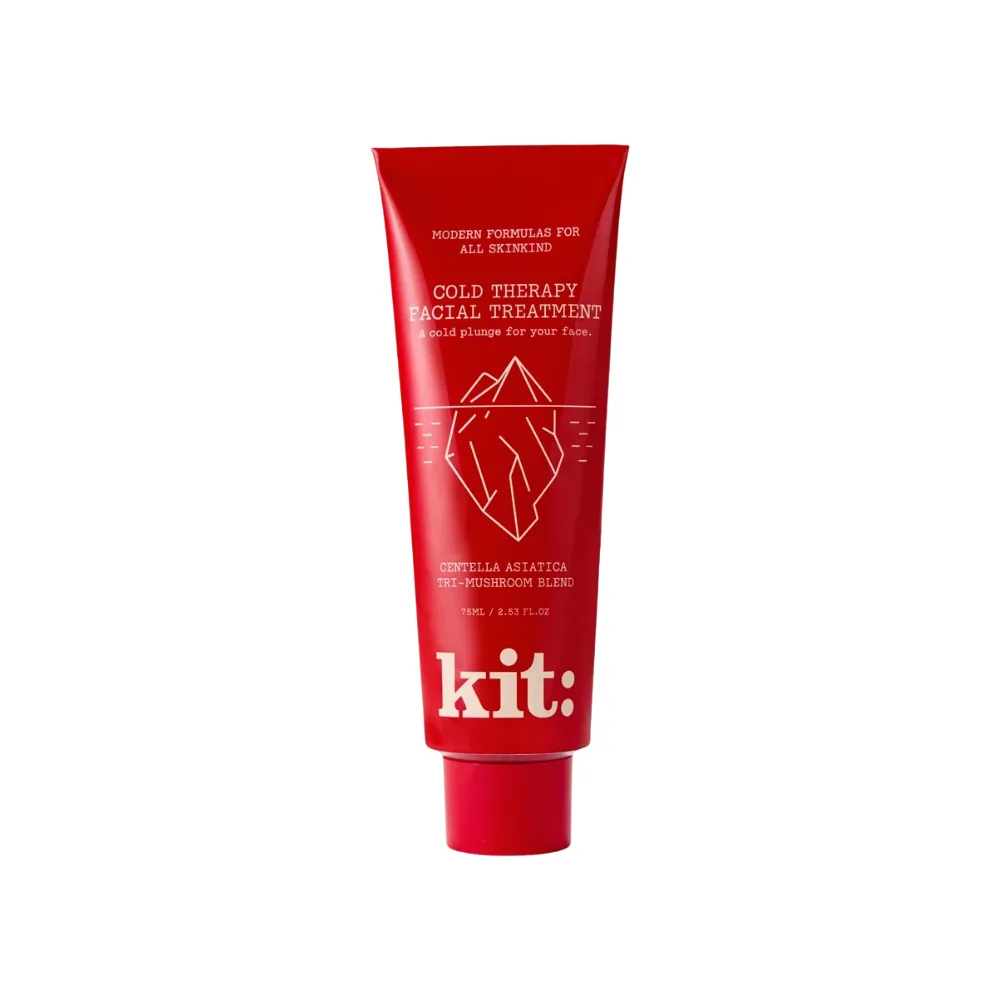
kit: Cold Therapy Facial Treatment
$42 at MECCA
When is facial puffiness a red flag?
A key factor to remember here is that the extra volume in your face in the morning should only be temporary.
“Temporary puffiness that improves within a few hours of waking is generally considered normal,” Brodie says.
“If swelling is persistent, worsening, painful, asymmetrical, or accompanied by symptoms such as redness, difficulty breathing, fatigue, or other health concerns, it should be assessed by a medical professional.”
According to Brodie, persistent facial swelling can be linked to underlying medical conditions, including allergies, chronic sinus disease, thyroid dysfunction, kidney or cardiovascular issues, or inflammatory processes affecting fluid balance.

Related stories

Native ad body.

Native ad body.




Native ad body.