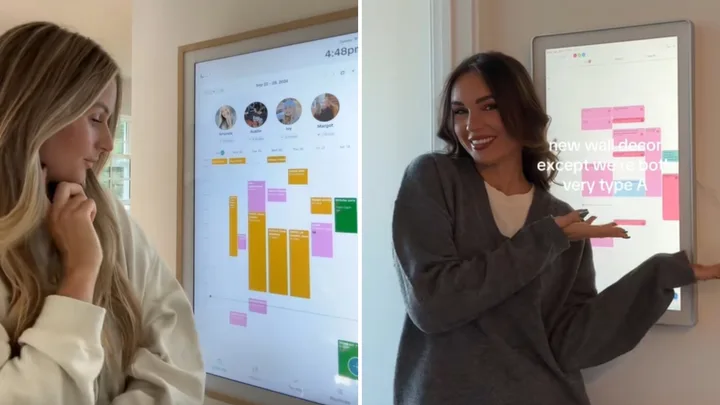
If your TikTok or Instagram feed is suddenly filled with wall-mounted touchscreen calendars, colour-coded schedules and hyper-organised routines, you’re not alone.
Digital calendars are having a major moment online, with productivity lovers and organisation enthusiasts turning the once simple tool into a full-blown lifestyle upgrade.
Designed to keep schedules, reminders and to-do lists all in one place, the large smart displays are quickly becoming the modern version of the fridge planner — just much more aesthetic.
But what exactly is a digital calendar, and why are so many people suddenly obsessed with them?
Why digital calendars are suddenly everywhere
Organisation content has become one of the internet’s favourite niches. From “Sunday reset” routines to desk setup tours, people love finding ways to make their lives feel more streamlined.
Digital calendars tap right into that trend.
Unlike a traditional phone calendar, these large touchscreen displays are designed to sit somewhere visible in your home — often mounted on a wall, kitchen bench or workspace — so you can see your schedule at a glance.
They usually sync with apps like Google Calendar, Outlook and iCloud, meaning events automatically update across devices in real time.
But the real appeal is how visual and interactive they are.
Many digital calendars also include features like:
- To-do lists
- Meal planning tools
- Chore or task tracking
- Notes and reminders
- Photo displays
For people who love planning, it turns everyday organisation into something you can actually see and interact with throughout the day.
The affordable digital calendar Australians are talking about
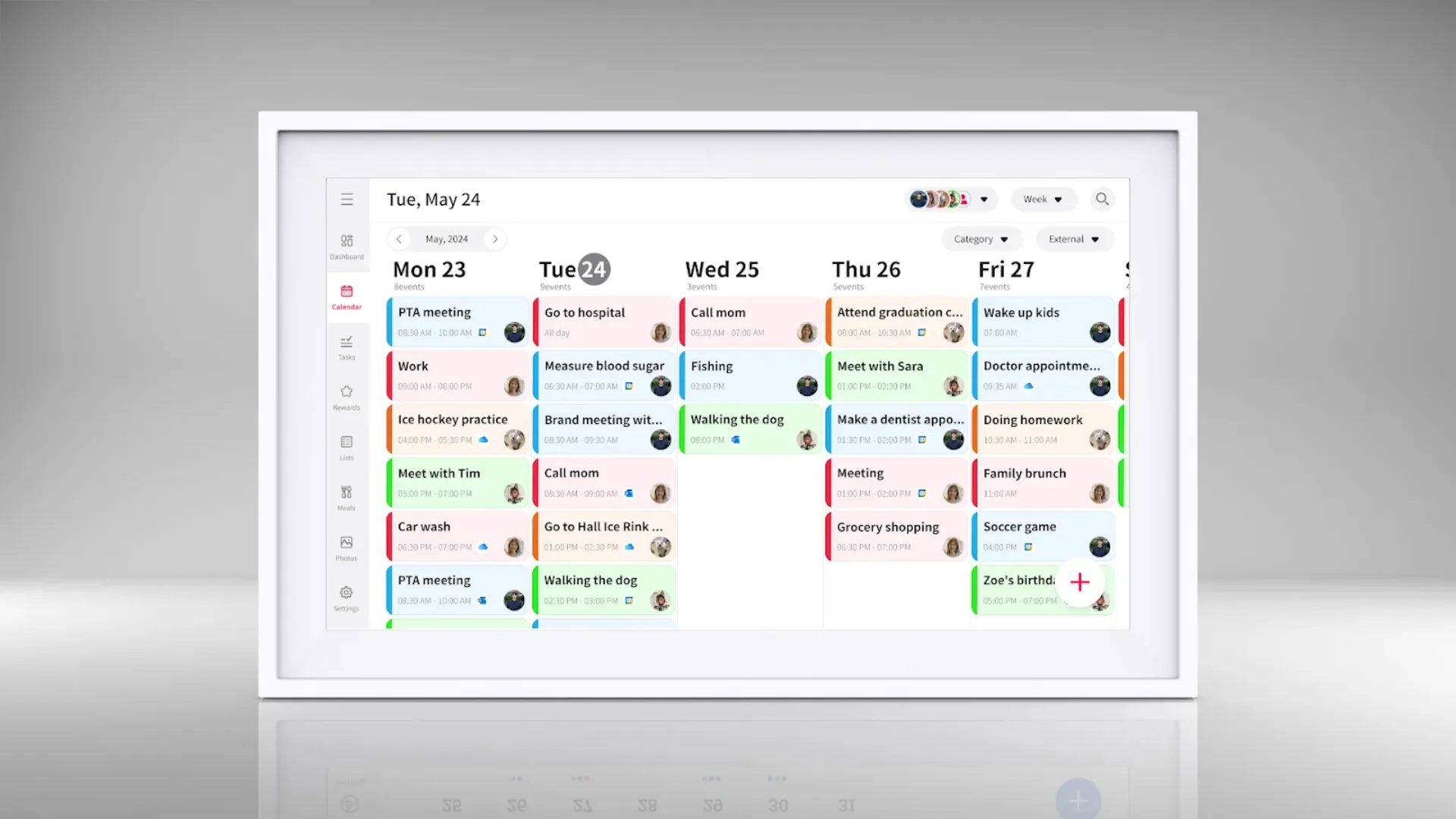
Buddee Digital eCalendar
One of the newest options to hit shelves locally is the Buddee Digital eCalendar, which launched exclusively at BIG W for $199.
The device features a 15.6-inch LCD touchscreen display designed to act as a central organisation hub.
It syncs with major calendar platforms like Google, Outlook, Cozi, Yahoo and iCloud so your events update automatically.
It also runs through the Whale Framely app (available on the Apple App Store and Google Play) and doesn’t require a subscription.
The viral smart display people also use as a digital calendar
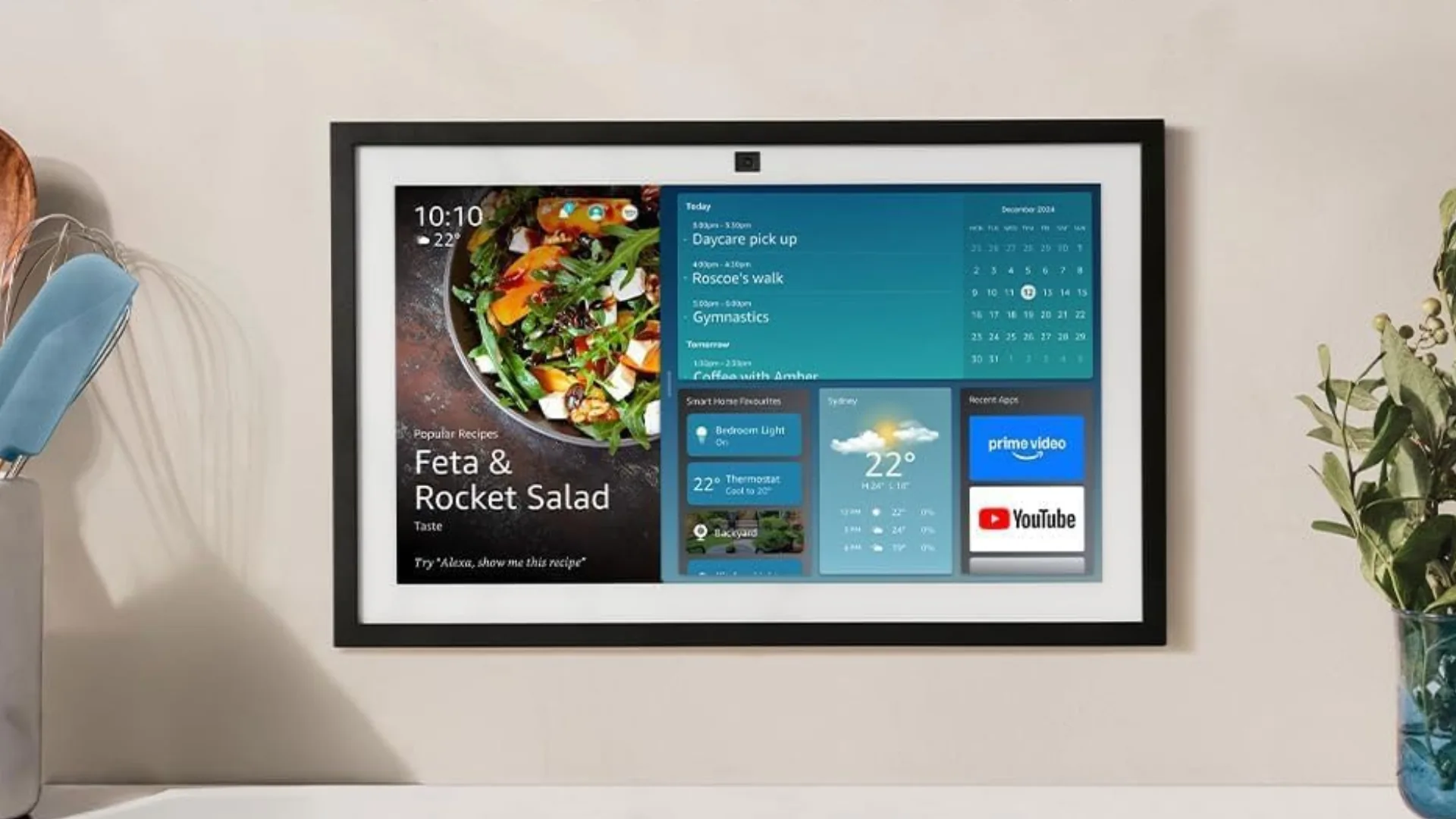
Amazon Echo Show 15
Another device that frequently pops up in digital calendar setups is the Amazon Echo Show 15.
Originally designed as a smart home display, the large 15-inch screen can be customised with widgets like shared calendars, reminders and shopping lists.
Many people mount it on a wall and use it as a daily schedule dashboard, alongside its other features like streaming shows, displaying photos and controlling smart home devices.
The oversized, specialised tablet that acts as the family hub
Cozyla Calendar Plus 2
If you need something bigger, the Cozyla Calendar+ is the perfect pick for families.
It comes in three sizes: 32”, 24”, and 15.6”, and you can hang it on the wall or purchase a wheeled stand for it.
You can customise the home screen of Calendar+ by dragging and dropping specific widgets like a calendar, meal plan, task lists, and chore lists for the kids.
It also syncs with Apple and Google calendars, and you can display photos and download apps like YouTube, Netflix, and Spotify.
So… do you actually need a digital calendar?
If you already manage your life entirely from your phone, a large digital display might feel like overkill.
But for people who thrive on visual organisation, having a central hub for schedules, reminders and tasks can make planning feel much more intentional.
It’s essentially the modern version of the whiteboard planner or fridge calendar — just smarter, more interactive and synced across all your devices.
And judging by how quickly these setups are popping up across social media, it’s clear the organisation trend isn’t slowing down anytime soon.
Why trust WHO Shopping?
WHO has been covering celebrity culture, red carpet moments and entertainment news for decades. Our shopping team works alongside our entertainment editors to identify the exact products behind the looks everyone’s talking about, from awards season glam to off-duty essentials.
We regularly consult stylists, makeup artists, trainers and industry insiders to verify product details and understand why these items perform under real-world conditions. When we recommend something, it’s because it’s genuinely relevant to the moment, not just trending.




Related stories

Native ad body.

Native ad body.




Native ad body.