

 Getty
Getty
If you have opened a phone or glanced at a comment section this week, you will know that Meghan Markle has gotten everyone talking, and a lot of it is not for good reasons.
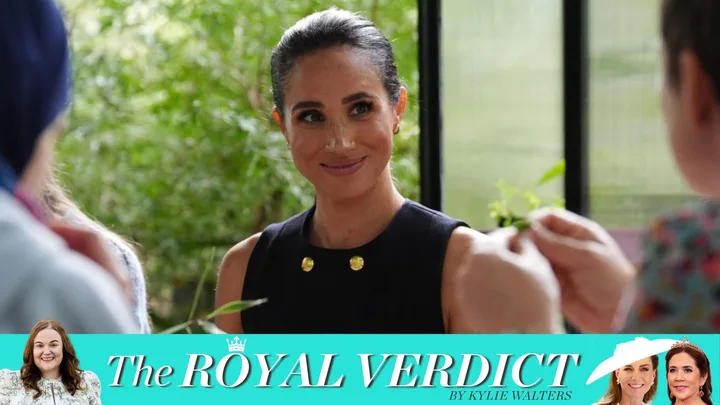
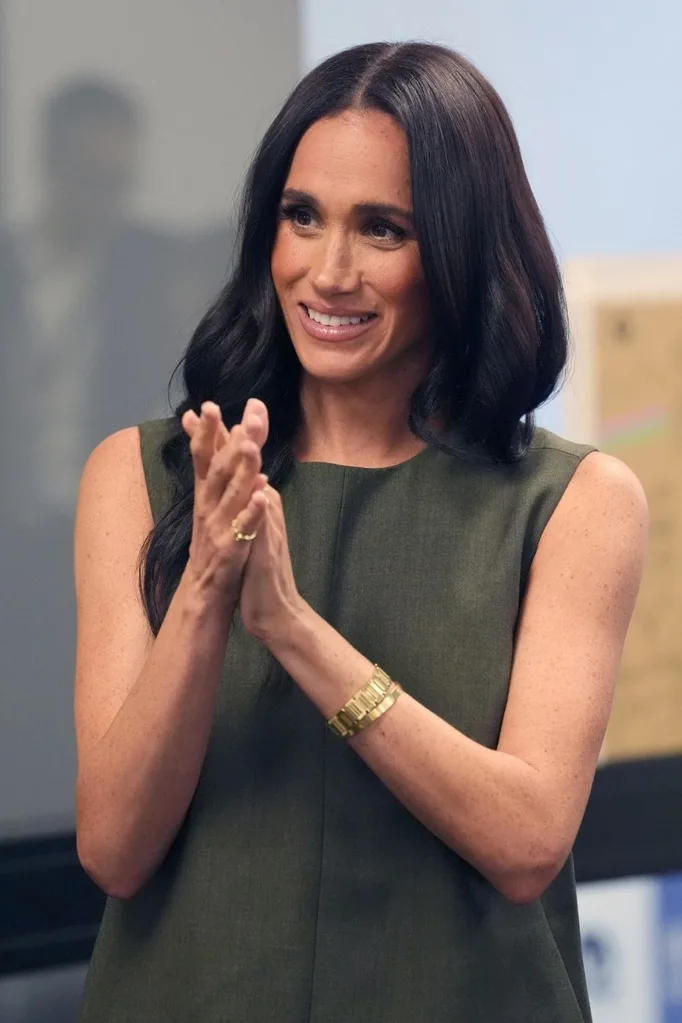
Her visit to Australia, including a MasterChef cameo and an appearance at an exclusive women’s retreat, has reignited a cultural firestorm that never really went out.
The criticism has been loud and familiar, with many accusing her of cashing in on her title and turning every appearance into a branding opportunity.
Yet the truth is more complicated. Not everyone hates Meghan.
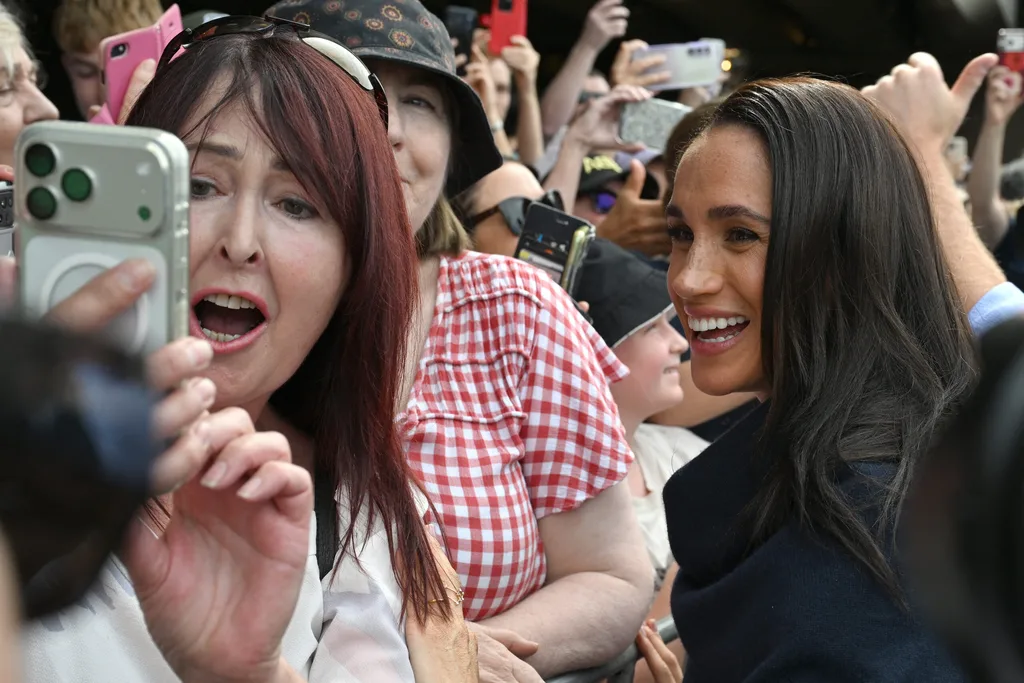
I saw people queue excitedly at Circular Quay on April 17, just hoping to catch a glimpse of her when the Duke and Duchess of Sussex arrived.
I also saw their delight when she shook hands and hugged several well‑wishers during an impromptu walkabout.
So while not everyone dislikes her, she is undeniably one of the most polarising public figures of the modern era.
And according to psychologist Dr Pamela Rutledge, that polarisation reveals as much about us as it does about her.
Why do we love to hate certain celebrities?
Dr Rutledge tells WHO that the instinct to criticise celebrities is deeply human.
“Humans are social animals and observing others helps us navigate the social environment, like what’s OK, what’s not, and where we belong,” she says.
Those in the spotlight amplify this because “elevation to celebrity status confers authority” and they become “aspirational symbols for success, privilege, and all the things we assume however naively will make us happy.”
At the same time, she says, “we also envy that success and privilege.” Criticism becomes a way to manage the gap between their lives and ours.
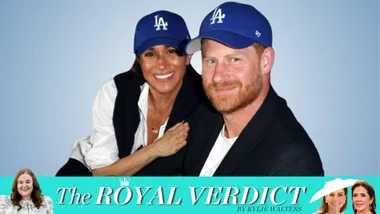
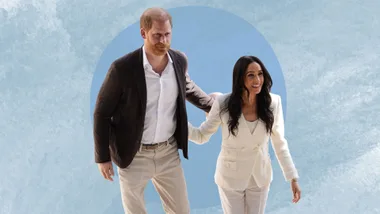
“When we pull them off the pedestal, it makes them feel more human and restores balance by decreasing the distance between us and them,” she explains, adding that the cycle only intensifies online.
“There is social reward to joining in public criticism. When we join in, we feel validated. Online, that validation is immediate and further fuels the criticism. Negative emotions like outrage are more energising than admiration, so they spread faster and stick longer.”
Meghan has become the perfect storm for this dynamic.
Why does Meghan Markle draw such strong reactions?
Rutledge says there are several reasons why the Duchess of Sussex provokes such strong feelings.
“Meghan Markle stepped into several belief systems and didn’t fully follow the rules,” she explains.
“People interpret her actions through their own beliefs about class, race, gender roles, and authenticity. For some these can be highly emotional. She’s American in a British institution, biracial in a historically rigid system, and open about personal struggles in a role defined by restraint.”
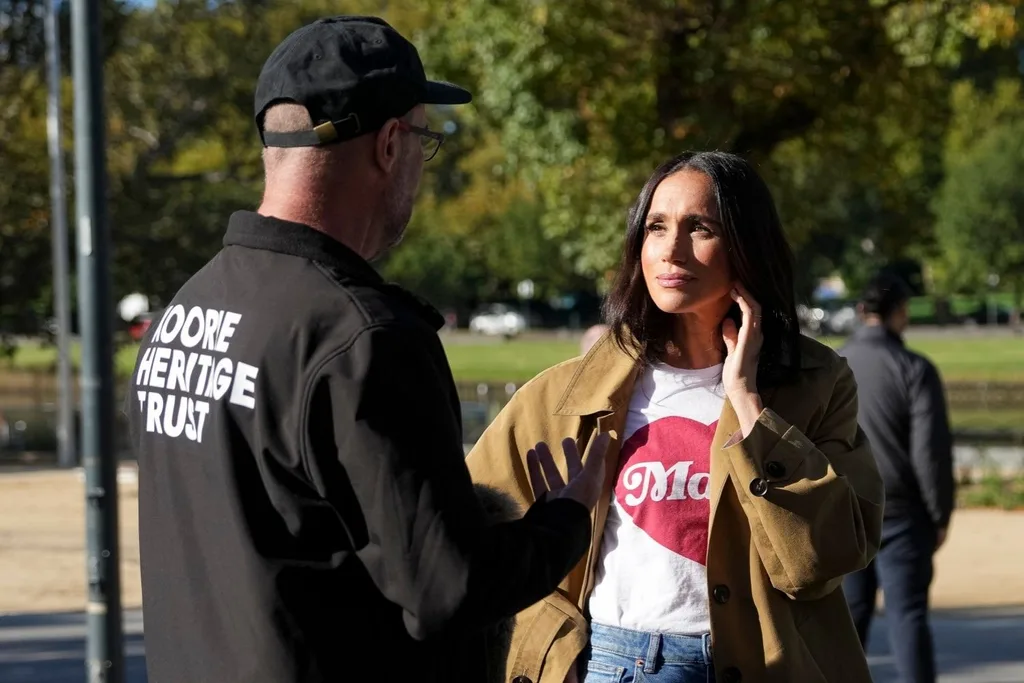
She also believes Meghan disrupted a powerful cultural fantasy about what it means to be swept off your feet by a prince. In short, she broke the fairytale so strongly embodied by our own, Queen Mary of Denmark.
“For decades, we’ve been told that marrying the prince is the ultimate happy ending, representing security, status, and being chosen,” Rutledge says. “Her decision to walk away was a rejection of a cultural narrative we’ve been taught to value.”
Inside the Australian backlash against Meghan Markle
Her Australian visit with Prince Harry has only intensified the scrutiny.
Critics dismissed her MasterChef appearance as opportunistic, her mental health engagement as performative and her continued use of the Duchess title, while cashing in on what she was wearing at engagements and while attending private business ventures, reignited the debate about monetising the monarchy.
Dr Rutledge says this is a trap with no good outcome for the couple.
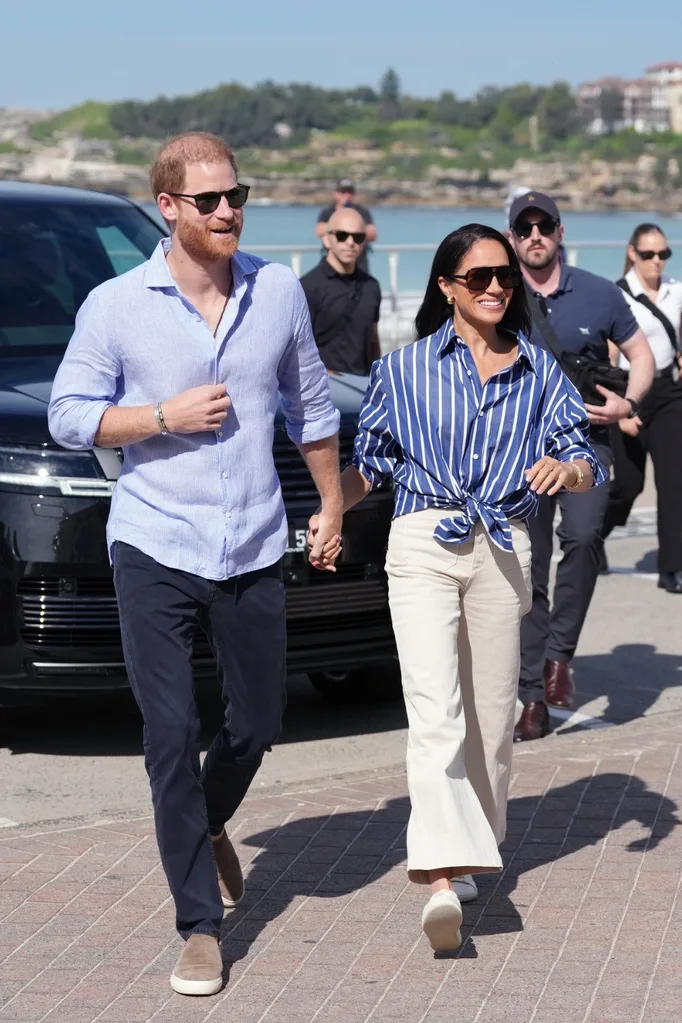
“If they step back, they risk being seen as irrelevant. If they stay visible, they risk being seen as self-promoting and working the system.”
She notes that “much of this criticism is directed at Meghan who is portrayed as ambitious and goal-driven,” while Harry is often framed as passive.
This “further reinforces the image of Meghan as driving the show.”
Meghan knows exactly how you feel about her
In Melbourne this week, Meghan addressed the bullying directly while speaking to young advocates at Swinburne University on April 16.
“For now, 10 years, every day for 10 years, I have been bullied and attacked,” she said. “And I was the most trolled person in the entire world.”
She described the online ecosystem as “that industry, that billion-dollar industry, that is completely anchored and predicated on cruelty to get clicks.” She added, “That’s not going to change. So you have to be stronger than that.”
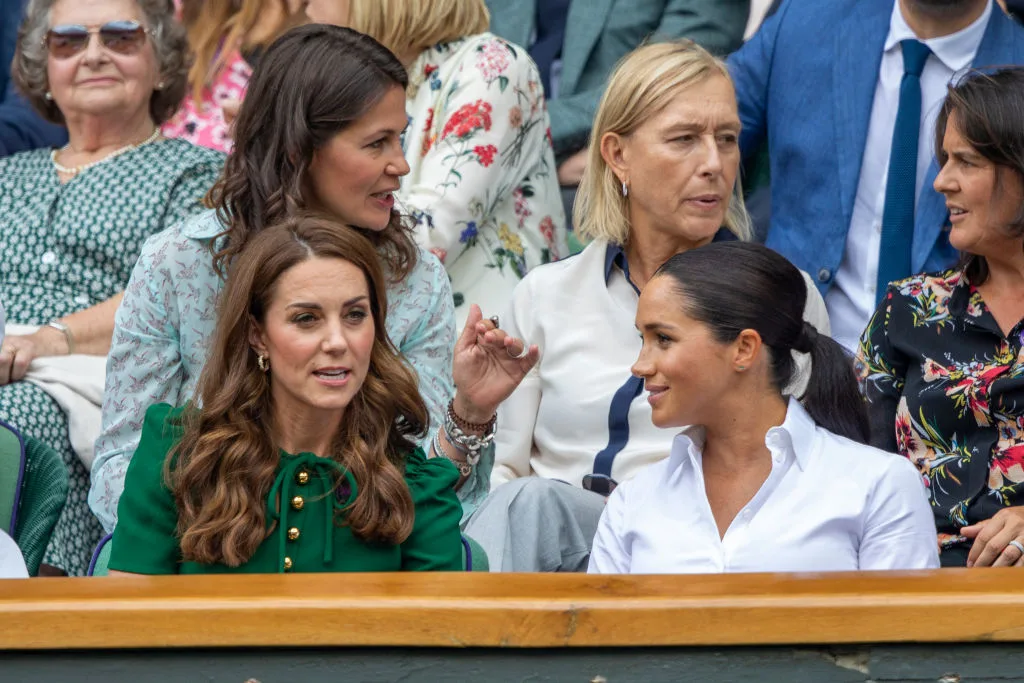
Meghan also said, “I can speak to that really personally, which is why I like to listen, because it rings true for me in a very real way.”
Her words were raw and vulnerable. For some, they were validating, but for others, it was just more of the same.
“Once a storyline takes hold, depending on how they are invested in the story, people tend to notice what confirms it and overlook what doesn’t.”
Why do some celebrities get second chances while others don’t?
Meghan is not perfect. She is the first to admit that she doesn’t get everything right.
“There’s no such thing as perfect,” she told US Harpers Bazaar magazine in November. “I, too, get to make mistakes,”
Of course, it can be hard to feel sorry for Meghan when some of her complaints, like Catherine, Princess of Wales, not wanting to share lip gloss coming across as downright petty.
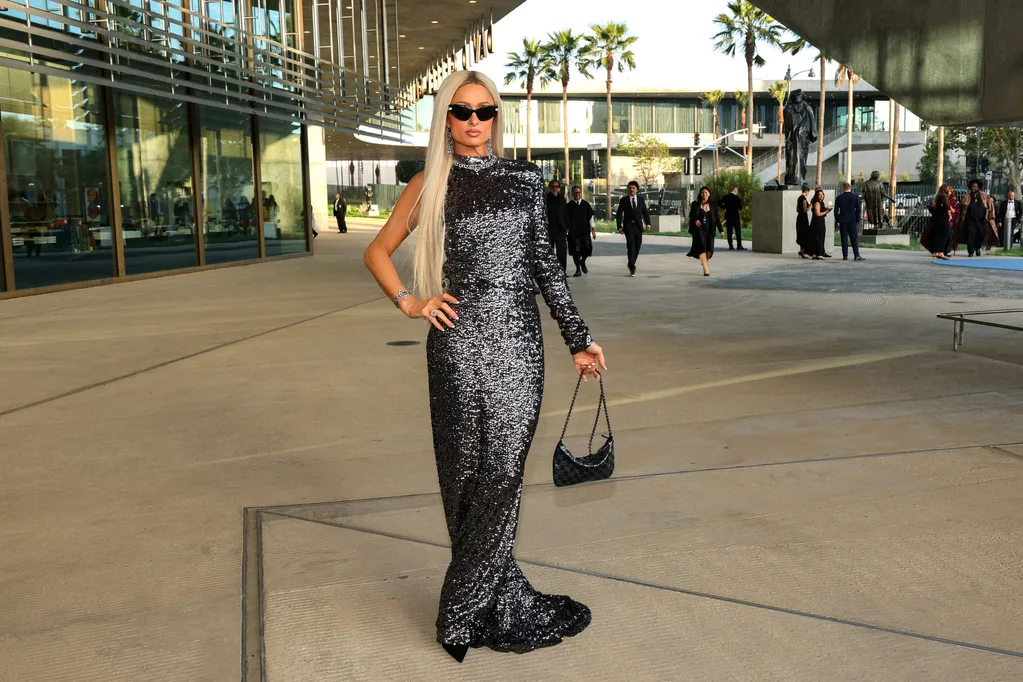
But there are also plenty of serious issues the Duchess has raised.
Rutledge says forgiveness depends on the story people already believe.
“If someone is generally liked, a mistake feels like an exception. If people are already unsure about them, the same mistake feels like confirmation,” she explains.
“Celebrities who we identify with get more grace. Outsiders or disruptors are judged more harshly because it can feel like an attack on our own beliefs and dreams.”
She adds that audiences crave a redemption arc, but only in cases when the behaviour fits the story people want to believe.
Can Meghan Markle change the public opinion?
“Reputation can shift, but it usually takes time,” Rutledge explains.
People update their views when they see “a steady pattern that contradicts the old story.”
But she warns that if Meghan continues to monetise her Duchess status, “for some, it will reinforce existing narratives.”
Of course, this is something we will likely see for a long time to come.
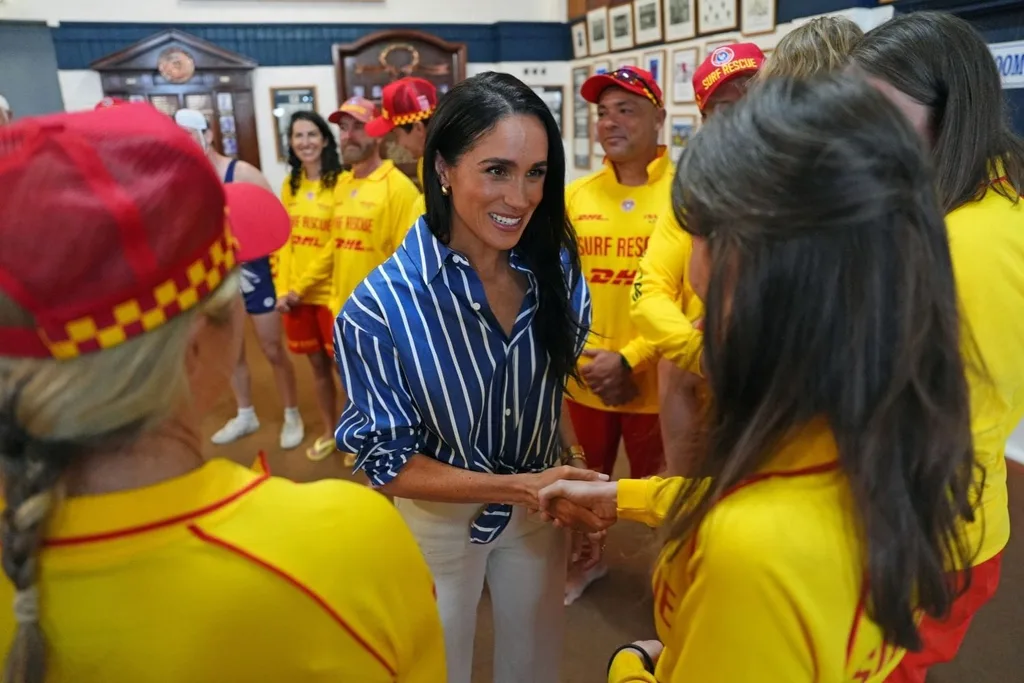
Since stepping down from royal duties in 2020, Harry and Meghan have made it very clear that they need to earn some serious cash and the prince is unlikely to go out and get a 9 to 5 anytime soon, leaving it largely on her shoulders.
There has also been a reluctance to stop using their titles, with it likely being a large part of the success of any commercial endeavour she pursues.
“Would you buy the jam if she wasn’t the Duchess of Sussex?” small business marketing expert and campaign strategist Mia Fileman asked me. “That is the whole brand.”
Rutledge notes, though, that our strong reactions “often say as much about the audience as they do about the celebrity”.
“We judge them based on our own beliefs about ambition, fairness, identity, and belonging. When reactions are polarised, it reflects deeper cultural divides.”
So, what does this say about us?
We do not all hate Meghan Markle. But we do project onto her.
She challenges the stories we were raised on and breaks rules we did not realise we were still enforcing.
She insists on living a life on her own terms.
Whether you see that as admirable or infuriating, there is probably nothing that Meghan could say or do either way to change your mind.
And if you do dislike her, that is your absolute right.
But maybe you do not need to write it on social media.
Read more expert opinion and analysis in WHO’s The Royal Verdict with Kylie Walters here.

