You’re at a party talking to someone new and they innocently ask, “What do you do for fun?” Do you instantly rattle off a list of things you regularly love doing during your downtime or are you more likely to awkwardly mutter something about life being too busy for anything fun?
Sure, things can get hectic as we rush between work, family, friends and life’s everyday distractions but according to Dr Gina Cleo, habit change expert and author of The Habit Revolution, having a hobby as an adult can bring far-reaching health and wellbeing benefits.
“So much of our time is tied to both responsibility and performance. Hobbies remind us that not everything has to be useful or monetised to be valuable,” she explains. “Making time for pleasure protects against burnout, helps regulate stress, and reinforces a sense of identity beyond work or caregiving roles.”
What are the benefits of having hobbies as an adult?
While hobbies can fall by the wayside as we get older, research suggests they’re crucial to improving health, mood and social connection as we age.
A 2023 study by Nature Medicine looked at 93,000 people across 16 countries and found “having a hobby was associated with fewer depressive symptoms, and higher levels of self-reported health, happiness and life satisfaction”.
“Hobbies act like a nervous system reset. They reduce stress hormones, improve mood and focus, and can even support better sleep and cardiovascular health,” Dr Cleo says.
“Mentally, they give the brain a break from productivity and pressure, which boosts creativity, resilience and overall wellbeing.”
Simple hobbies adults can pick up
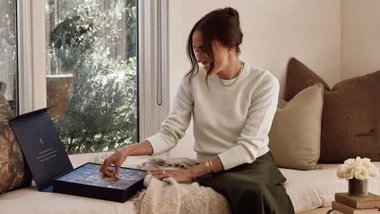
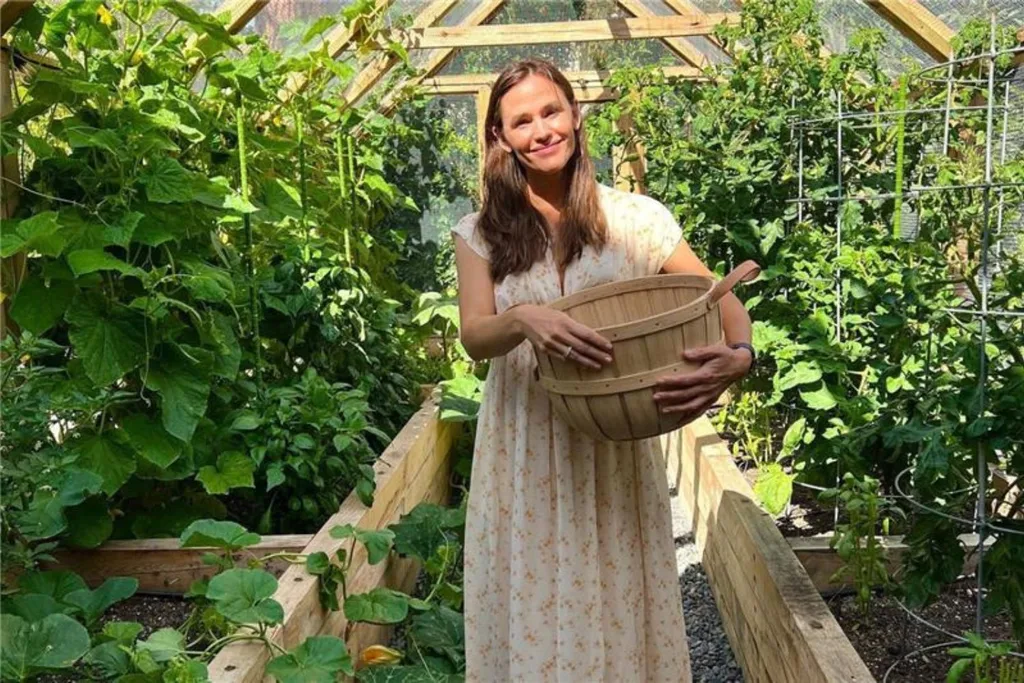
Dua Lipa hosts a book club, Jennifer Garner is obsessed with gardening, Naomi Watts and husband Billy Crudup love board games and Brad Pitt relaxes behind a pottery wheel – spending time on something you love doesn’t need to be expensive or complicated.
“Simple hobbies are often the most powerful because they’re accessible, achievable and can be sustained,” Dr Cleo explains. “Try walking while listening to music or a podcast, sketching, gardening, painting, puzzles, crocheting, knitting, playing with clay (pottery), cooking a new recipe, dancing or doing a short daily stretch or yoga flow. Many require little more than your time and attention.”
Creating connection
Looking to meet new people? One of the easiest ways is finding a group hobby that will introduce you to other like-minded folk. From walking clubs to volunteering at your nearby community centre, try searching your local council website or Facebook groups to find your tribe.
“Group hobbies create connection without pressure,” Dr Cleo says. “They give people a shared focus, which makes socialising feel easier and more natural. This can significantly reduce feelings of loneliness and isolation, especially for adults who struggle to make friends outside of work.”

Making friends through hobbies
Firstly, identify what hobby you would like to try, whether it’s active and outdoorsy or something more creative. Schedule some time in – it can be anywhere from a few minutes during the week or a longer period on the weekend – then embrace the feeling of trying something new.
“Start small and remove the pressure to be ‘good’ at it,” Dr Cleo advises. “Choose something low-commitment and curiosity-led, not outcome-driven.”
If you need new skills, don’t be afraid to find online tutorials or ask friends to help you. “Remember, hobbies aren’t about performance, they’re about enjoyment, experimentation and giving yourself permission to be playful,” she adds.

Related stories

Native ad body.

Native ad body.


Native ad body.