Artistry and activism have always gone hand in hand.
When the world has demanded it, history has produced artists and celebrities who have been unafraid to take a stand and use their platform for causes they believe in.
After all, art is political, and for many people, simply breathing and existing authentically is political.
The realm of politics, and even the word itself, can feel uncomfortable and inaccessible to those who feel uninformed or don’t know where to look or start. As someone who spent four years of tertiary education studying the topic, even I understand the fear and hesitation.
It’s no surprise then that, now more than ever, we’re seeking moral guidance, advice, and opinion from our favourite artists, and that many of these celebrities are embracing it.
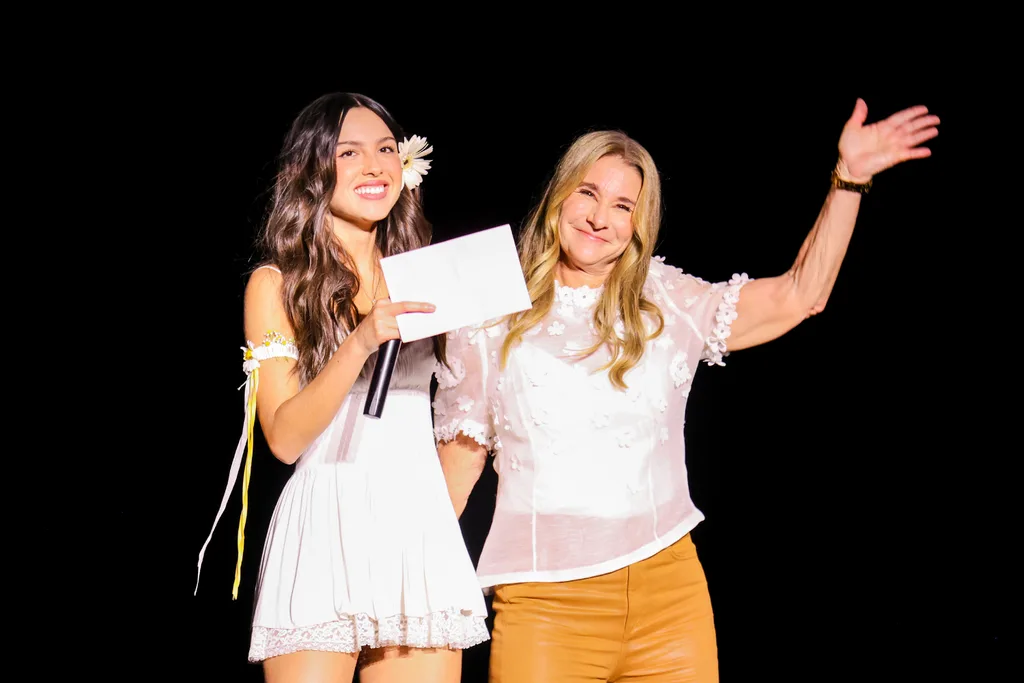
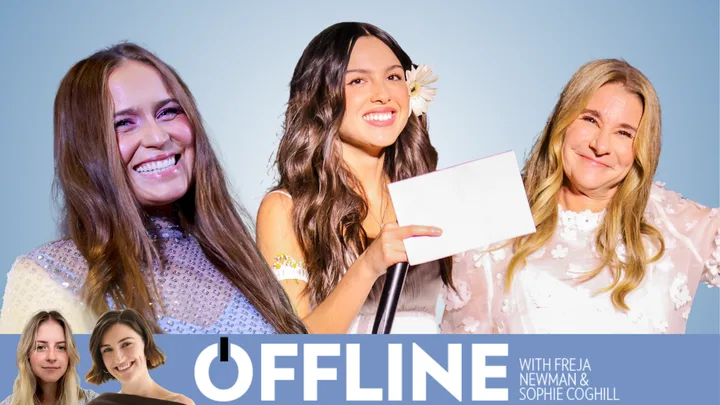
Singer-songwriter Olivia Rodrigo has earned praise for founding the all-female festival, Daisy Chain Fields. The festival took place on Saturday, August 29, at Great Park, Irvine, California, and 100% of its net proceeds went to “non-profits dedicated to defending and supporting women and girls”, as Rodrigo said at a press conference ahead of the event.
The festival raised around US$20 million for these charities (after Melinda French Gates doubled the raised total of US$10 million), with the list including organisations like the National Institute for Reproductive Health, Black Mamas Matter Alliance, Johns Hopkins Center for Indigenous Health, and Planned Parenthood.
Alongside a line-up of leading female artists including Chappell Roan, Doechii, and special guest Stevie Nicks, the festival included immersive installations and the opportunity to shop hand-crafted goods from women-led businesses and makers.
Days before this festival, the ‘you seem pretty sad for a girl so in love’ artist released the single ‘Serena Joy’, named after a character in Margaret Atwood’s ‘The Handmaid’s Tale’. The song has been praised as a ballad of protest against political ignorance, complicity, and the danger of supporting oppressive systems and believing the lie that, in doing so, they won’t eventually turn on you too.
As audiences praise Rodrigo for using her platform for political causes she cares about, it begs the question: what responsibility do artists actually have to their audiences, and should we always expect those with a platform to be political?
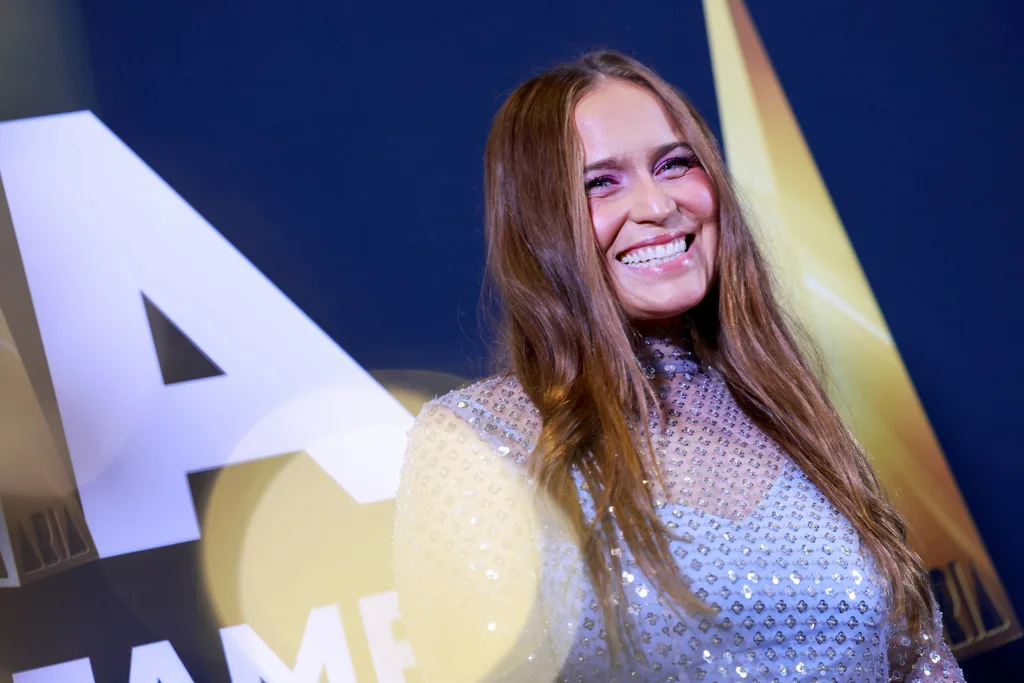
Holly Rankin, also known by her stage name Jack River, is an Australian singer-songwriter, multi-instrumentalist, and producer. She’s also a political and cultural strategist who co-founded the communications group Sentiment, and has worked at the intersection of cultural and public affairs, using her platform to campaign actively for climate action, gender equality, First Nations rights, and political integrity.
She also did exactly what Rodrigo is doing now back in 2017 and 2018, with her all-female music festival, Electric Lady.
Speaking to WHO, Rankin unpacked the cultural power of artists, why we’re so drawn to celebrities for information and values — rather than institutions or politicians — and whether this is a good thing.
How has celebrity activism changed over time?
Celebrities and artists using their platform to support political and social causes isn’t new, but it has certainly changed over the years.
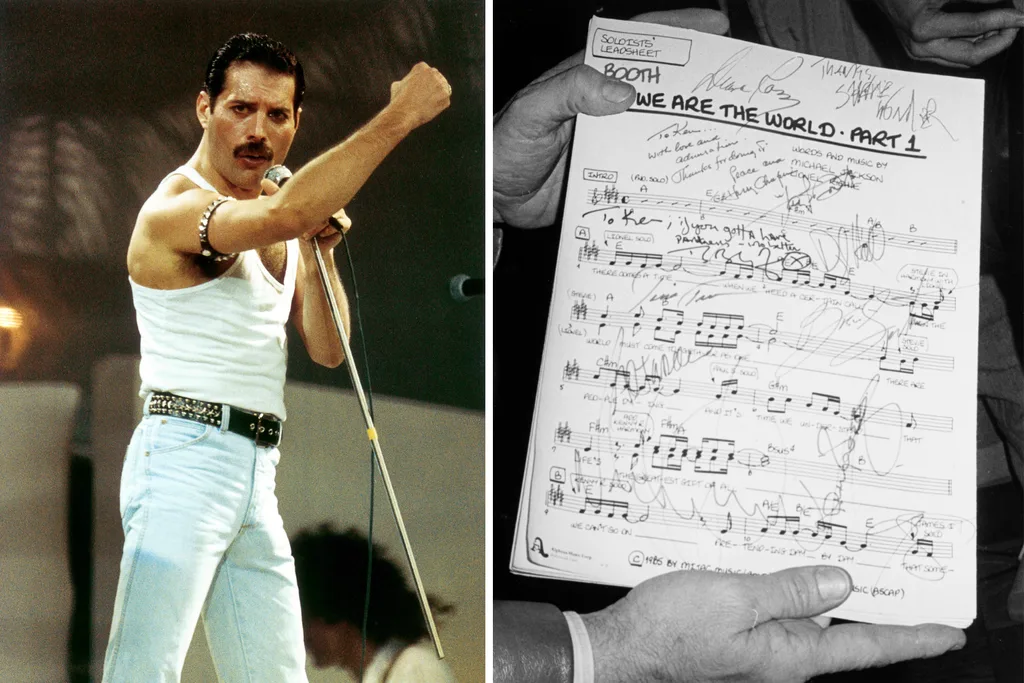
From the golden age of 1980s charity concerts — think ‘Live Aid’ and ‘Do They Know It’s Christmas?’ or ‘We Are the World’ — to our current era of celebrities coming together online or in person – think the ‘One World: Together at Home’ concert in 2020 or the Gaza Aid Concerts that have taken place since 2023 – artists are no strangers to their cultural power.
“In the 60s and 70s, it was obviously very normal to be engaged in politics,” Rankin told WHO. “And some of those leaders of that time – Bob Dylan, Joan Baez, Jim Morrison – they then enabled a generation of artists to feel inspired to do the same.
“I think through the early 2000s, we got pretty into hyper pop culture, and politics didn’t feel like it was at the front of pop culture.
“But now we’re getting into a time where the state of the world is undeniably in need of different points of view, different narratives, and I think artists are so well placed to imagine a different future; so well placed to speak about things with heart and creativity, and that’s what we are seeing happen today.”
Why do we value celebrities’ opinions?
In a world that’s constantly demanding our attention, more and more people are looking to their favourite artists and celebrities for their opinions, stance, values, and moral guidance.
Knowing who or what to trust feels exhausting and out of reach, but tuning into the opinions and lifestyle of a creator has a level of authenticity that institutions and politicians simply can’t match.
The 2026 Digital News Report revealed that in Australia, 43% of news consumers get their news from creators or influencers, rising to around 70% among 18–24-year-olds and 72% among 25–34-year-olds.
Influencers aren’t just shaping how we receive political information and news, but also how we interpret and discuss it.
What is it about our favourite celebrities and artists that makes us value their opinions over institutions?
Through her agency, Sentiment, Rankin conducted research to begin to answer this question, and published her findings in the report, Democracy in our feeds: How creators are reshaping political attention, trust and participation in Australia.
“My team and I have really looked into why people are trusting creators or influencers or artists over institutions and institutional voices,” she told WHO. “And at the end of the day, I think that we do have parasocial relationships with artists because they reflect our humanity.
“They mirror and empathise with our humanity. They write our stories and our memories and they’re a part of our life.”
Rankin also pointed to the level of distrust that many audiences are feeling towards their leaders and institutions today, and urged people not to judge when “audiences or voters are getting cues from artists about the state of the world”.
“I think we do feel like artists have an element of truth,” she said. “I feel like most artists feel accountable to their audience, which is very true and genuine and really rare in a world where most people are accountable to profit and shareholders.
“A lot of politicians or institutional leaders, they are accountable to boards or voters, but artists are only really accountable to themselves.
“And that’s a really, really powerful place to come from, and we need more people like that speaking out.”
Do artists have a responsibility to be politically charged?
However, since more audiences are trusting artists with their politics, does that mean celebrities have more responsibility to be political?
For Rankin, the answer is personal, and it’s one she’s struggled to come to terms with when some of her most beloved artists have let her down.
“As a recording artist, speaking about politics has always been something that I did,” she said. “It came naturally to me, but for a lot of people, it doesn’t.”
“We’re living in a really intense time. There are multiple crises happening all at once, all around the world, and I guess, if an artist feels like they want to lean in and talk about something, they really can, and they should.
“But I think it has to be each to their own at the end of the day. I don’t think there should be an expectation for an artist to weigh in on something. If an artist isn’t weighing in on something, it’s likely they don’t feel informed, they don’t have an opinion on it, or they’re unable to speak on it for some reason, whether that’s personal or political or something else.”
Rankin also revealed that, despite what audiences may think, many artists don’t have access to the resources and support needed to stay informed.
“I think audiences just think that celebrities or artists who have a lot of money, have a really big team and that they have all the resources in the world to be informed and comment on geopolitical issues,” she explained. “But they really don’t.”
“It’s why I started my agency, Sentiment, to give people in the public eye the resources and support and connections to experts, researchers, and strategists who can help them have a voice at scale and feel supported to lean into big conversations.”
It’s natural for artists and celebrities to let us down. They’re human, after all, and elevating them to any status above that comes with its own issues — as it would be for any cultural leader.
While this doesn’t exempt those with a platform from any responsibility at all, it does change how we should express our disappointment with them when they ultimately let us down.
“I think we have to have grace with people’s humanity and that can be really challenging to hear,” Rankin said. “I personally expect more, but I also think it’s really important to exercise grace and understanding, and if you’re disappointed with your favourite artist, then you can stop listening and give them a message in that way.”
“I think being cruel to them online doesn’t help anyone.”
-
-
-
Native ad body. Sponsored by %%sponsor_name%% -
-
-
Native ad body. Sponsored by %%sponsor_name%%
Never underestimate the cultural power of artists and celebrities
If the success of Rodrigo’s Daisy Chain Fields festival teaches us anything, it’s that artists and celebrities have significant cultural power.
That’s why some artists have been criticised for not doing enough in the space of activism, either because it’s a topic fans believe they represent, or they have an influence large enough to sway public opinion in a meaningful way.
“I have this belief that the stories we tell shape the systems that we live in,” Rankin confessed. “And so the stories that we choose to believe as a culture or a society will eventually shape the laws that govern that society.
“When I say culture, it means the people who are driving cultural conversation and trust and (of course) media and new media.
“It’s an artist’s job to think differently, and we need a lot of different thinking right now, and so I think that they’re best placed to be cultural leaders right now.”
After having lived it from both sides, as both a recording artist and an audience member looking up to her favourite artists, Rankin sees artists as “the people’s leaders” and that it’s artists “engaging in politics” that makes “our democracy legitimate and great”.
“I’m kind of like, ‘Go for it, please engage at scale’,” she declared. “You shouldn’t have to have a licence to speak about politics.
“Politics is every day, it’s the cost of our food, it’s the cost of our rent, we all live and breathe politics. We should all absolutely feel the right to engage in political conversations at scale.”
While placing your trust solely in celebrities comes with risk, particularly when that celebrity’s opinion is harmful or misinformed, looking to artists for hope isn’t bad.
Sometimes it’s the different perspective we need to start the conversations that matter.

Related stories
Native ad body.
Native ad body.
Native ad body.