As Olivia Rodrigo promotes her third album, You Seem Pretty Sad for a Girl So In Love, it’s more than just excitement from fans circulating the 23-year-old singer.
In the music video for the lead single off the record, ‘Drop Dead’, Rodrigo, a former Disney star, dons a sky blue babydoll dress with silky bloomers, choosing a similar look for an appearance at Barcelona’s Teatro Greco for Spotify’s Billions Club Live.
Rodrigo has explained that she was tapping into the “sleepover aesthetic” for the ‘Drop Dead’ video with the pyjama-esque look, telling British Vogue, “My Pinterest is all babydoll dresses and ‘70s necklines. I want it all to feel fun and laid-back.”
While these may seem like irreverent sartorial choices for a performer who is known for having fun with fashion, people are rushing to suggest otherwise, accusing Rodrigo of sexualising herself in “baby” clothes – even though nothing in the ‘Drop Dead’ music video or much of her music catalogue in general is overtly sexual, instead tending to centre on emotional vulnerability and coming-of-age experiences.
Why Olivia Rodrigo’s babydoll dresses are causing controversy
“Rodrigo isn’t wearing 60s era babydoll dresses which are mini dresses that have a mature fabric, colour and design with an empire bodice,” one detractor wrote on X (formerly Twitter). “She is wearing pink dresses that are similar to what toddlers wear with frilly underwear beneath it.”
“If she wants to keep that babydoll dress style she should fix it, some dresses look truly pretty as stage costumes but this is giving child clothes and with all the sexy moves she tries to pull, it kinda looks weird,” another said.
However, Rodrigo insists that she wasn’t trying to look sexy – and even if she was, that is entirely her right.
“I’ve been on stage in a sparkly bra and little shorts, which is my right, that’s fun, I felt cool and comfortable in that,” the singer told The Hollywood Reporter. “And that wasn’t inappropriate, but me fully covered up in a dress that people deemed to be childlike was inappropriate.”
She added, “I just think it really shows how we really normalise pedophilia in our culture. And also it’s just this rhetoric that we’re fed as girls since we’re so little, which is, don’t wear that because then a man is going to sexualize your body and it’s your fault.”
A brief history of baby doll dreses
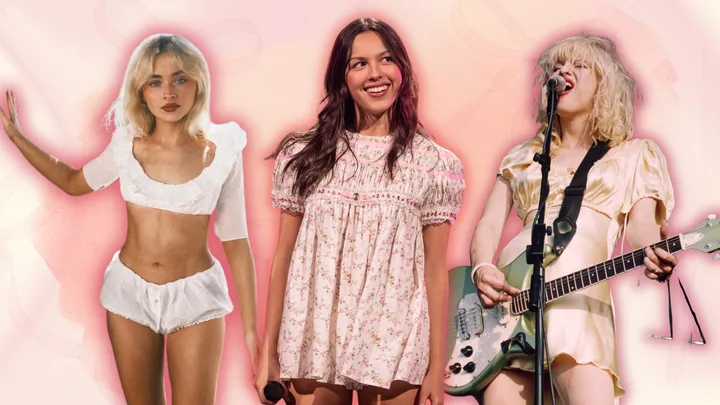
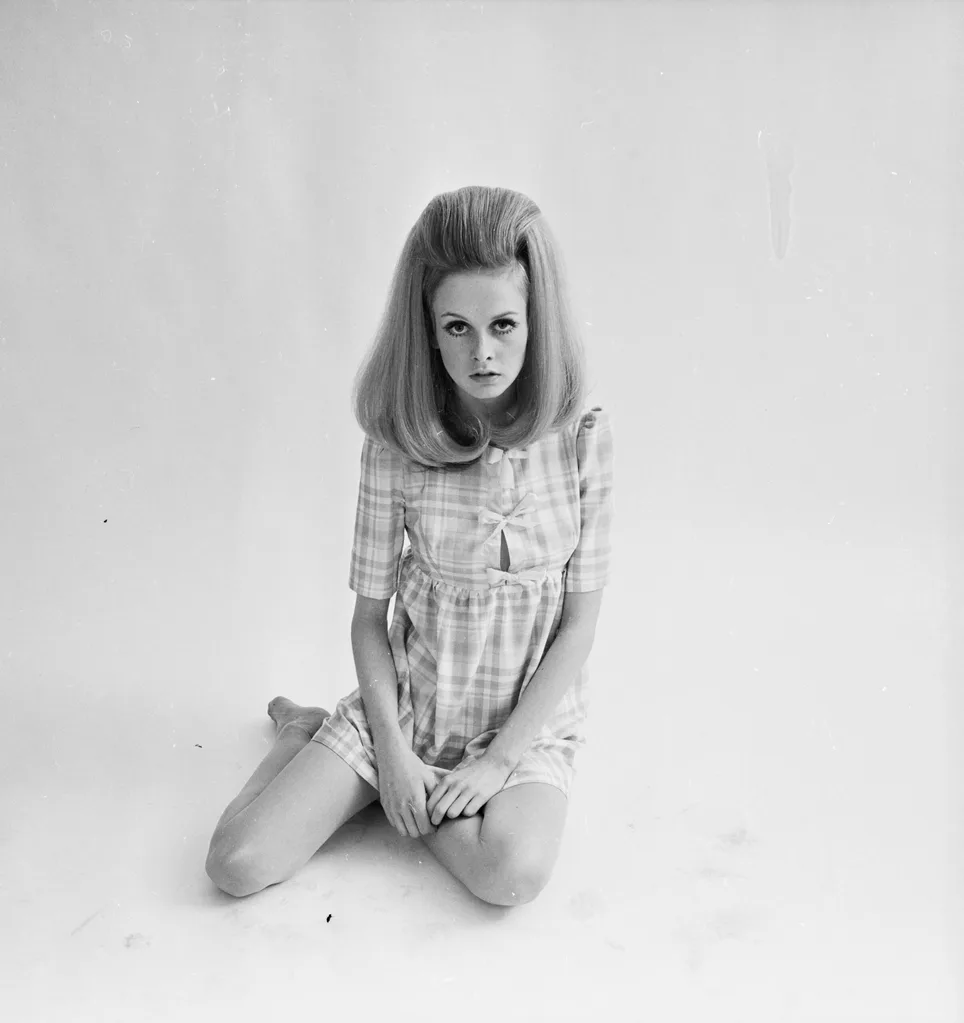
The babydoll dress originated in the 1940s as a short nightgown, and later transitioned into mainstream fashion in the 1950s, with model Twiggy widely credited with popularising the look.
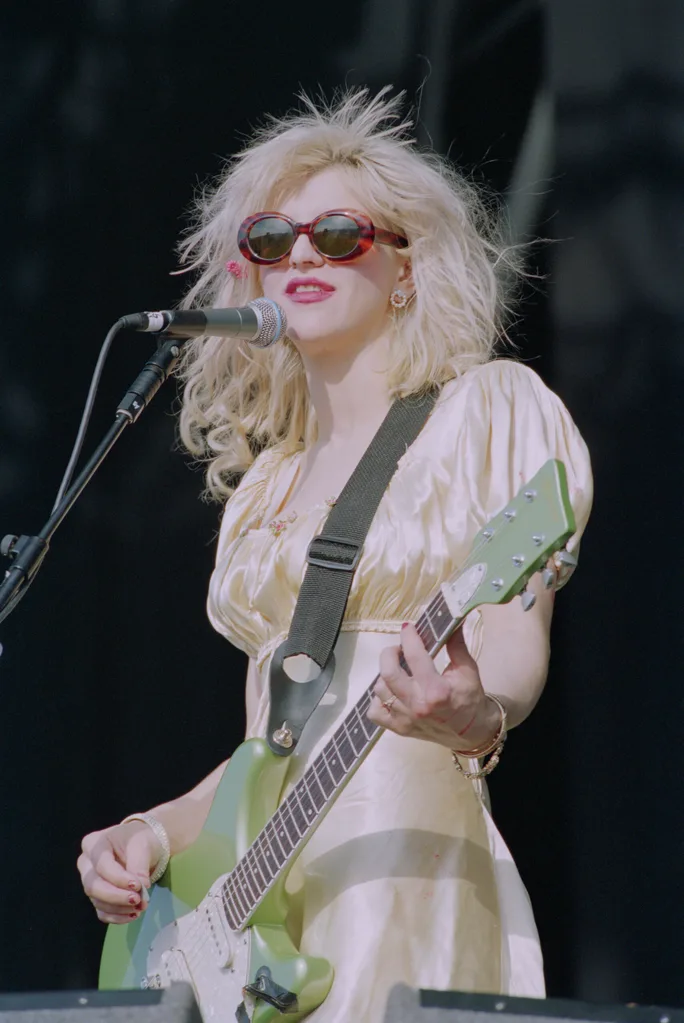
In the 90s Courtney Love and other grunge trailblazers also embraced the trend, famously pairing babydoll dresses with boots and smudged makeup, something Rodrigo has openly said that she draws inspiration from.
The singer has always leaned into this look, opting to wear feminine dresses with combat boots throughout her career; a juxtaposition that perfectly aligns with her diary-style lyrics which are paired with rock and pop-punk influences.
The double standard in women’s fashion
It’s not just Rodrigo favouring the fashion moment, either. Sabrina Carpenter, Ariana Grande and Kacey Musgraves are just some of the women who have leaned into the look.
High-end designers such as Miu Miu, Chloé and more have also been showcasing the babydoll silhouette in their recent runway shows.
The backlash directed at Rodrigo reflects a familiar and exhausting double standard: women are simultaneously criticised for being too sexy and too childlike, leaving little room to simply wear what they want. The babydoll dress is, at its core, just a dress.
The fact it continues to generate this kind of scrutiny says far less about Rodrigo’s choices than it does about our collective discomfort with women who refuse to dress for anyone but themselves.
As one Rodrigo fan said… “God forbid we have a whimsy era.”

Related stories
Native ad body.

Native ad body.


Native ad body.