It seems now, more than ever, people are craving tangible media. In a slew of algorithms and never-ending content, the desire for storytelling that people can be immersed in for more than 15 seconds is greater than it’s ever been.
When it comes to the world of music, artists and producers have responded to this craving in more ways than one, offering up cinematic-style music videos and worlds to accompany the lyrics, melody, and identity of the artists themselves.
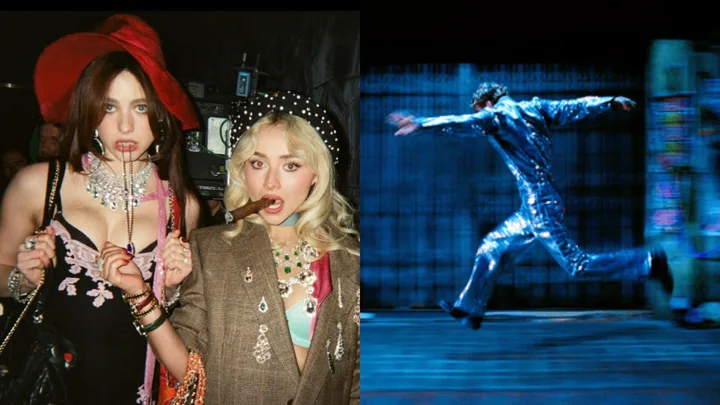
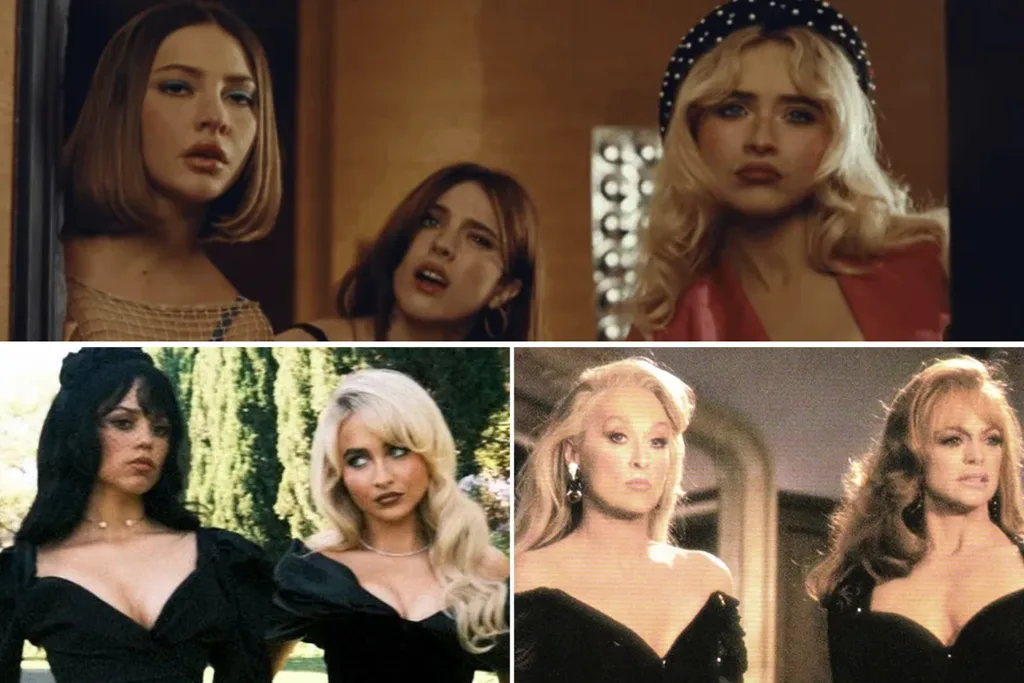
Sabrina Carpenter released her ‘House Tour’ music video on April 7, with actresses Margaret Qualley and Madelyn Cline starring as Sabrina’s partners in ‘Glam Larceny’ (they rob a house and look hot doing it). While the video has received mixed reviews – some calling it iconic and others reigniting the ‘Is Sabrina Carpenter really empowering women?’ debate – what it signifies is the return and evolution of music videos as a way to immerse listeners into a different, more palpable, aspect of the artists’ world and art.
Why are fans craving music videos now?
Music videos are making a comeback and fans don’t just want an aesthetic, they want a world.
While these conversations are certainly not new, they represent something beyond people feeling overstimulated by TikTok and algorithm culture. That is, the parasocial relationships we’ve formed with artists has made us greedy.
In a world where attention is currency, music artists are finding new ways to grab our attention, and build worlds outside of what we already know (because let’s be honest, we already know far too much about celebrities that, in reality, are strangers).
While RAGE is still alive and kicking, gone are the days of traditional music television, where MTV and music videos made artists.
As music artists continue to feed the mouths that pay them (that is, us, the listeners), the questions remains on the direction music videos are heading. Is there a threat that the pendulum will swing too far in the other direction as visual storytelling and fan interaction outweighs the airwaves?
Will video finally kill the radio star?
While my immediate answer would be no, as I have hope in the integrity and passion of talented musicians producing art right now (and humanity in general), it doesn’t mean the question shouldn’t at least be posed. We’re already seeing a decline in music production through both TikTok and the ever-ominous rise of AI, so who’s to say where music videos will go?
For now, we should probably take a look at how much our parasocial relationships with our favourite artists are impacting the art they produce.
The good old days: MTV and Rage
Music videos had a significant turn from broadcast to platform.
In 1981, MTV (music television) was founded and so was the ‘MTV effect’ as emerging artists became break-out stars as they were discovered on the silver screen. Think David Bowie, Nirvana, Madonna, Michael Jackson and Dire Straits.
RAGE is MTV’s iconic Australian counterpart, offering an all-night music video program through the Australian Broadcasting Corporation (ABC). Music videos acted as vehicles for fans to engage with music artists in a tangible way, and discover new aesthetics and sounds before the influx of the internet.
Cue the internet (1991-1993).
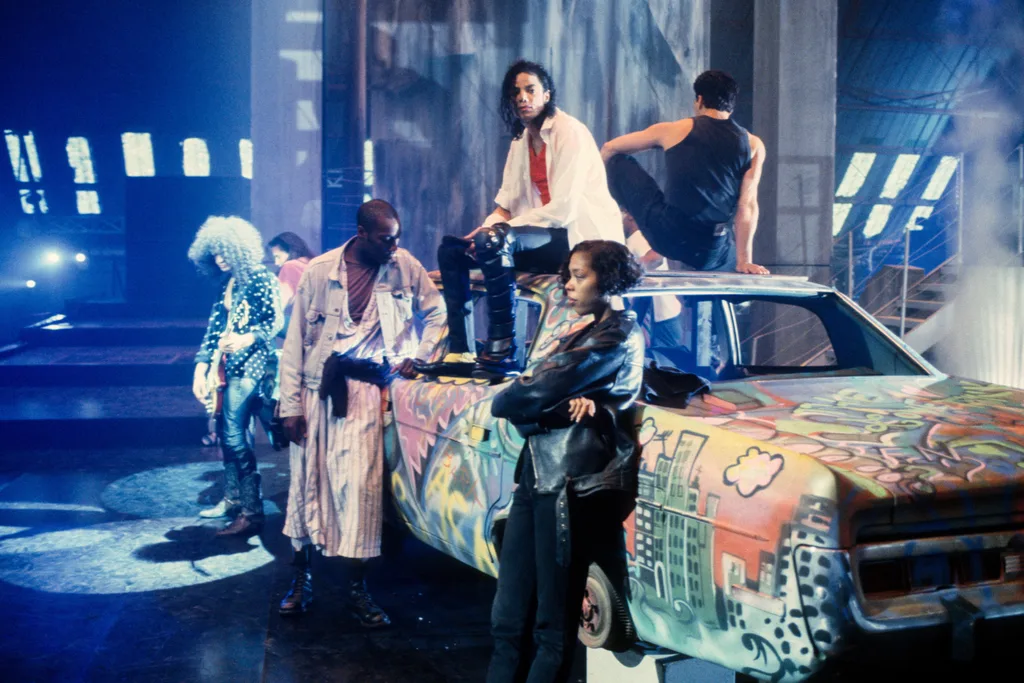
While music television was still very much alive in the 90s, public access to the internet changed the way music videos were made and interacted with, as iconic videos from the past were reshared and referenced in the videos that would emerge.
YouTube, which launched in 2005, became the destination for videos alongside MTV, VH1 and Vero. Suddenly, life after a song or video’s release was possible as online communities could rewatch, share, and interact. Each music genre had a different flavour of video and style synonymous with the genre itself, growing fanbases and what was possible for artists to achieve.
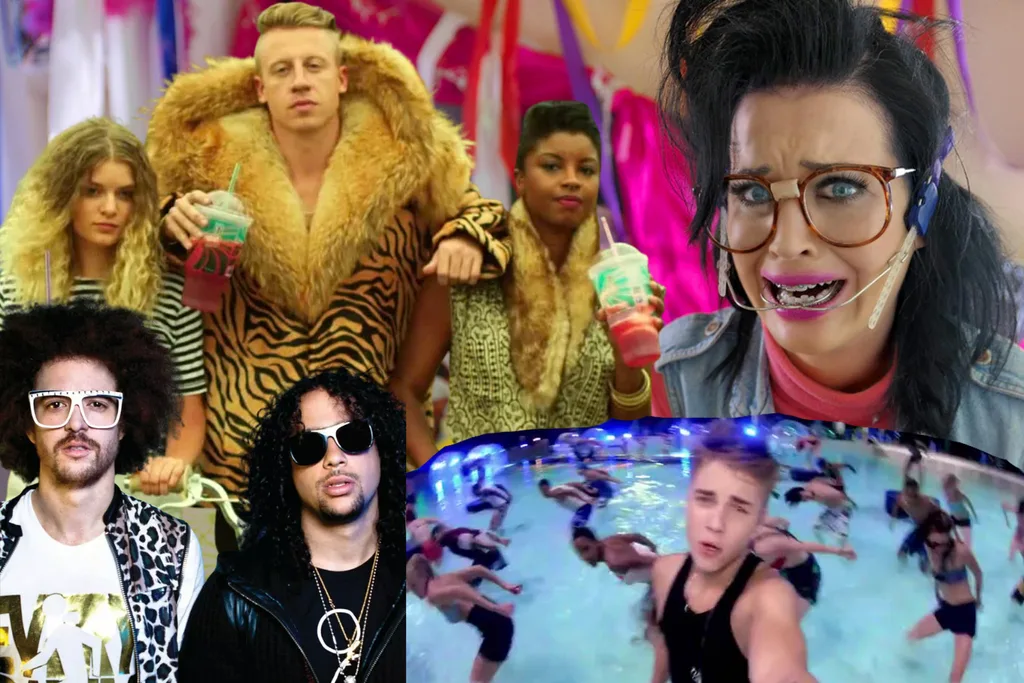
We all have those music videos that altered our brain chemistry back in the day, the videos we thought were so iconic because they were of the moment (shout out to Katy Perry, Carly Rae Jepsen, LMFAO, Macklemore, and Justin Bieber for shaping my adolescence).
Jokes aside, the ever-growing shareability of music videos led to possibilities for real conversations and change. Childish Gambino’s ‘This is America’ music video, released in 2017, created a cultural impact that earnt the artist accolades from just the Grammy’s, but the broader public, reinstating just how powerful art can be.
Enter: TikTok
In 2016, TikTok arrived, and since then, algorithms have grown to be an ever-present part of our lives (even when we’re unaware of it). Suddenly, we were getting ‘song of the summer’ videos flooding our For You pages, and hits seemed to be prioritised more than albums or eras.
When the term “tiktokification of music” began to spread, people on Twitter would argue that it “really isn’t a big deal if you just put down your phone.” To that, I say it’s not that easy since our phones are addictive (literally)…and that’s not necessarily what artists want.
While this created a new avenue for emerging artists to break-out and advertise their music, it also changed the way audiences interacted with music, videos, and artists themselves. More and more songs were (and still are) created for virality and recreation.
Troye Sivan’s iconic ‘You Just Got Me Started’ and Jungle’s ‘Back on 74’ music videos are prime examples of music videos being converted into viral moments. Their choreography-heavy focus was praised for spotlighting the artistry of dance, while also representative of just how much people want to get involved in the world’s of their favourite artists by learning and recreating aspects of their music online.
How have parasocial relationships changed our expectations?
Our obsession with celebrity culture and desire for constant interaction is defined as a parasocial relationship.
The term “para-social” was first coined in 1956 with the release of an article by sociologists Donald Horton and R. Rochard Wohl titled “Mass Communication and Para-Social Interaction: Observations on Intimacy at a Distance.” Today, it’s used as a way to think of fans’ perceived intimacy with celebrities and stars because of tabloids and social media making what used to be private very much public (Zendaya recently explained this idea best on her appearance on The New York Times’ Modern Love podcast in April, 2026).
What does this have to do with the resurgence of music videos?
Well, since we feel so connected to stars and are already used to knowing so much, we want more. One-hit wonders don’t cut it anymore; fans want an entire aesthetic and world built around an album, tour, stage presence, and video. We can’t wait to discover if we’re in the top 0.01% of listeners for our favourite music artist during Spotify Wrapped and to feel like we understand this artist more than anyone.
Music brings connection and tells stories. That’s a powerful thing, but it gets dangerous when we hold onto it too tightly.
More investment in high-production music videos and storytelling is far from a bad thing, and is most likely a trend that will continue if fans continue to show interest in the approach to world-building that artists like Sabrina Carpenter and Kendrick Lamar are achieving.
Fans are craving something to hold onto, something that feels deeper. However, the question remains: how immersive can (and should) music artists really get?

Related stories
Native ad body.
Native ad body.
Native ad body.