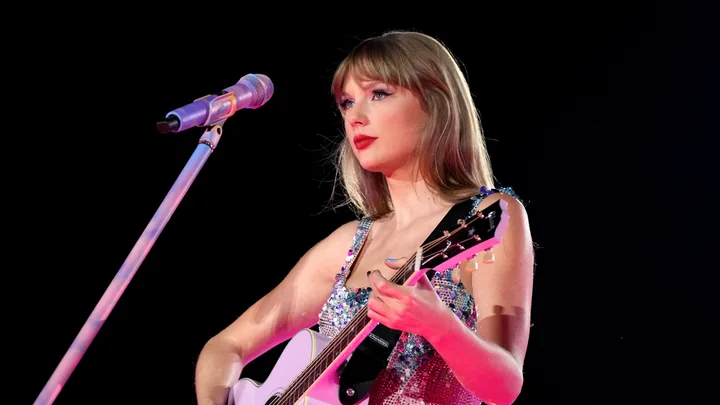
With deepfakes and AI videos popping up everywhere (and becoming harder to spot), celebrities are now turning to trademarking their face and voice to put a stop to people copying either in AI content. Now, Taylor Swift has joined the ranks of A-listers fighting against their likeness being misused, filing to trademark her face and name, so people will have major repercussions if they breach it.
On April 24, Variety reported that Swift’s company TAS Rights Management filed three trademark applications.
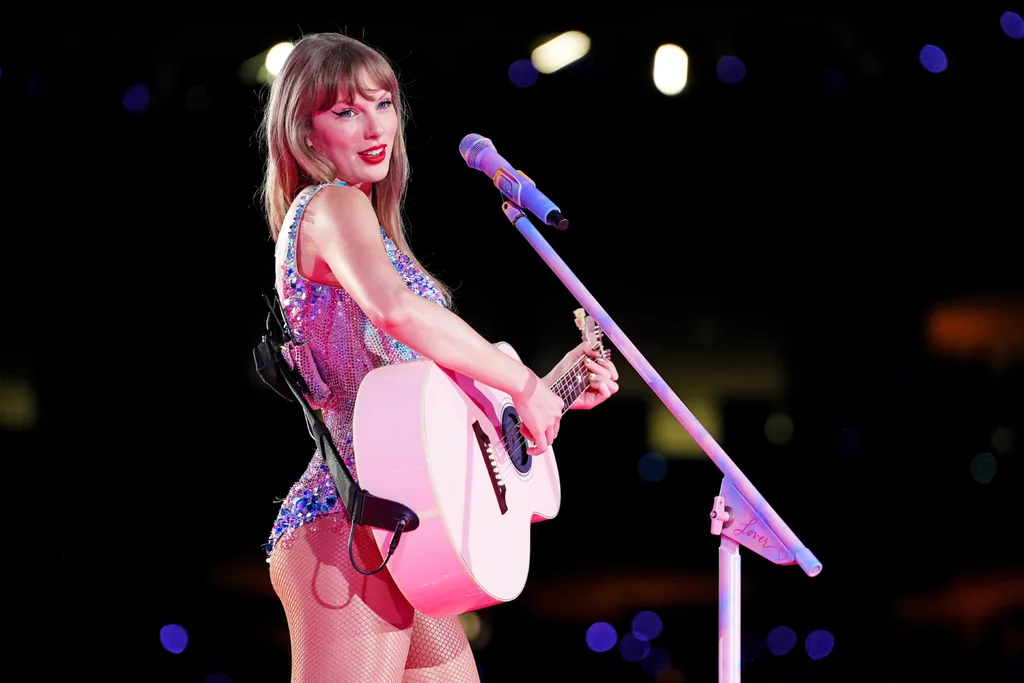
Two of the trademarks are of her voice saying the phrases “Hey, it’s Taylor Swift” and “Hey, it’s Taylor” and the third is for the well-known picture of her holding a pink guitar on stage during her Eras tour.
Swift’s decision to apply for these rights was apparently done to prevent harmful deepfakes (a fake image or video) and AI misuse, something the popstar has suffered from in the past.
Chelsea Bonner, CEO of ICON Management, told WHO how serious this issue is for women and how it’s coming for the entertainment industry.
Have people trademarked their voice and image before?
Taylor Swift isn’t the first celebrity to apply for a trademark for her voice and appearance.
In January this year, Matthew McConaughey filed a similar application when he trademarked his famous “all right, all right, all right” catchphrase from his 1993 film Dazed and Confused, alongside other uses of his likeness and voice.
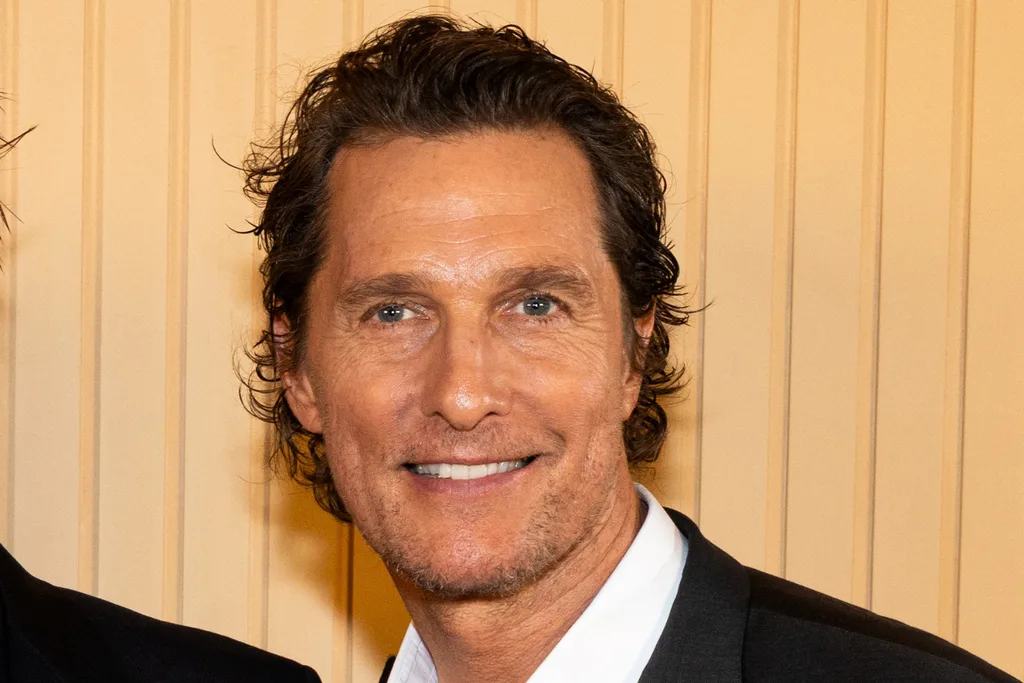
According to The Wall Street Journal, the Oscar-winner had eight separate applications approved by the US Patent and Trademark Office.
When this was announced, the actor released a statement explaining what motivated his decision.
“My team and I want to know that when my voice or likeness is ever used, it’s because I approved and signed off on it,” he said. “We want to create a clear perimeter around ownership with consent and attribution the norm in an AI world.”
Taylor Swift has suffered from AI misuse in the past
While McConaughey‘s legal team noted that this move was just a precaution, Taylor Swift has actually suffered from AI misuse and scandal in the past.
In January 2024, deepfake pornographic images of Taylor Swift spread quickly throughout X.
The images received 47 million views before being taken down, mostly due to Swift’s fans mass-reporting the images.
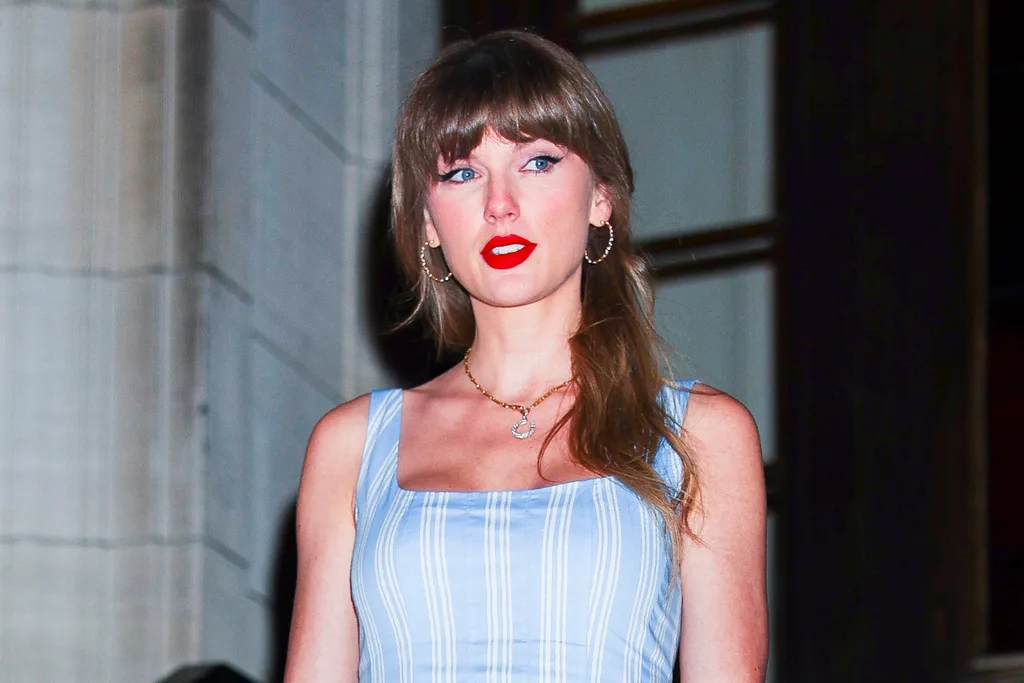
The social media platform’s slow take down response sparked calls for better legislation around explicit imagery and AI misuse online.
Chelsea spoke with WHO about how this use of deepfakes is “a very gendered issue.”
“98 per cent of all deepfakes are women, and 99 per cent of them are pornography,” she said. “So, it’s a very, very gender-biased issue.”
For Swift, the push to own her likeness and voice isn’t about money, but about maintaining control of her body and sense of self, and we don’t know any woman who isn’t onboard with that.
Will Taylor Swift’s trademarking work?
The fear a lot of people have towards AI is to do with how fast it’s moving, and how slow laws are as they try to keep up.
This decision for celebrities like Matthew McConaughey and Taylor Swift to trademark their voice and image is a step in the right direction for combatting the harmful use of AI online, as there’s “a tool now to stop someone in their tracks or take them to federal court”, as Jonathan Pollack, one of McConaughey’s lawyers said.
However, Chelsea explained that we still have a long way to go, particularly in Australia.
“I know and work with Tracey Spicer quite a lot, who’s an incredible journalist, and she is constantly down in Parliament trying to get people to listen to her and the issues around AI and the gender bias of AI,” she said, adding that the government’s response has remained slow.
“If there’s anything going on in the world, it’s the creative arts industry that feels it first, but that doesn’t mean it stops with us,” she said.
“One of the biggest problems we have with AI and generative AI is that we don’t have enough legislation in place to stop people stealing our likenesses and our voices.”
Deepfakes don’t just impact celebrities, they pose a threat to us all, and until better laws in Australia are enforced, we’re going to have to keep second-guessing what we think is real and fake.

Related stories
Native ad body.
Native ad body.
Native ad body.