

 Getty
Getty
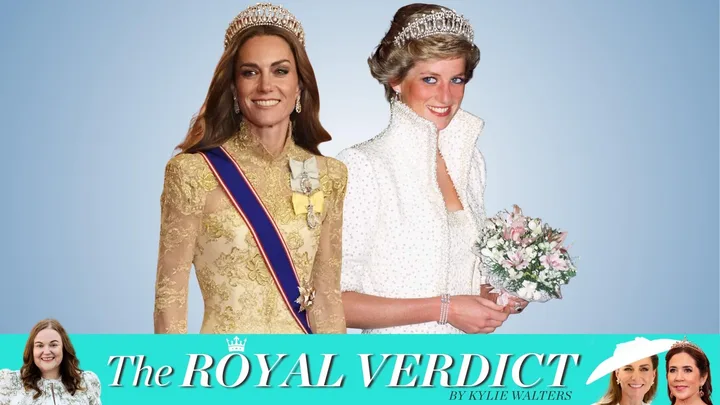
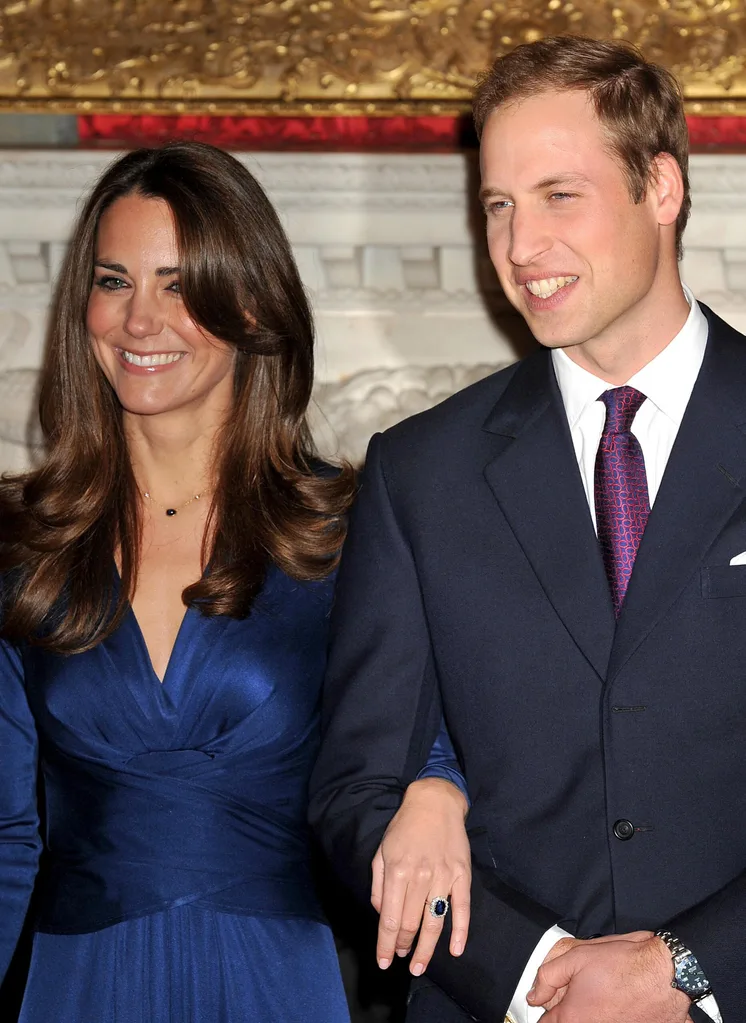
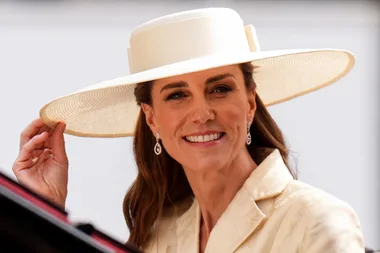
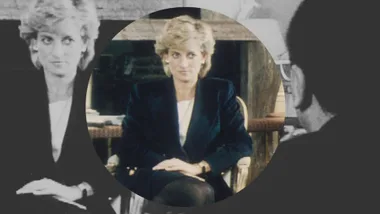
On the 29th anniversary since the death of Princess Diana, her shadow continues to loom large over the monarchy and nowhere more so than over the daughter‑in‑law she never met, who now holds her title and wears her diamond and sapphire ring on her finger.
“When Prince William first gave Kate that ring, I thought, that is a lot of weight to be carrying, not just in carats, but in symbolism,” royal commentator Victoria Arbiter, who grew up inside Kensington Palace, tells me.
William, 44, knew the enormity of what he had done and was quick to point out it came with “no pressure”.
“No one is going to try to fill my mother’s shoes, what she did was fantastic,” he said during an interview to mark their engagement in 2010. “It’s about making your own future and your own destiny and Kate will do a very good job of that.”
Sixteen years later, Princess Catherine, 44, has done just that. She is not defined by Diana’s legacy, but stands beside it, successful and admired in her own right.
How Catherine built a role that could withstand time
Criticised during her early Duchess of Cambridge years for being slow to “hit the ground running”, Catherine’s slow‑and‑steady method has proved to be her greatest strength.
What once looked cautious now reads as strategic: a strong foundation built deliberately, with longevity in mind.
Her defining focus on early childhood has become one of the most significant long‑term initiatives undertaken by any contemporary royal.
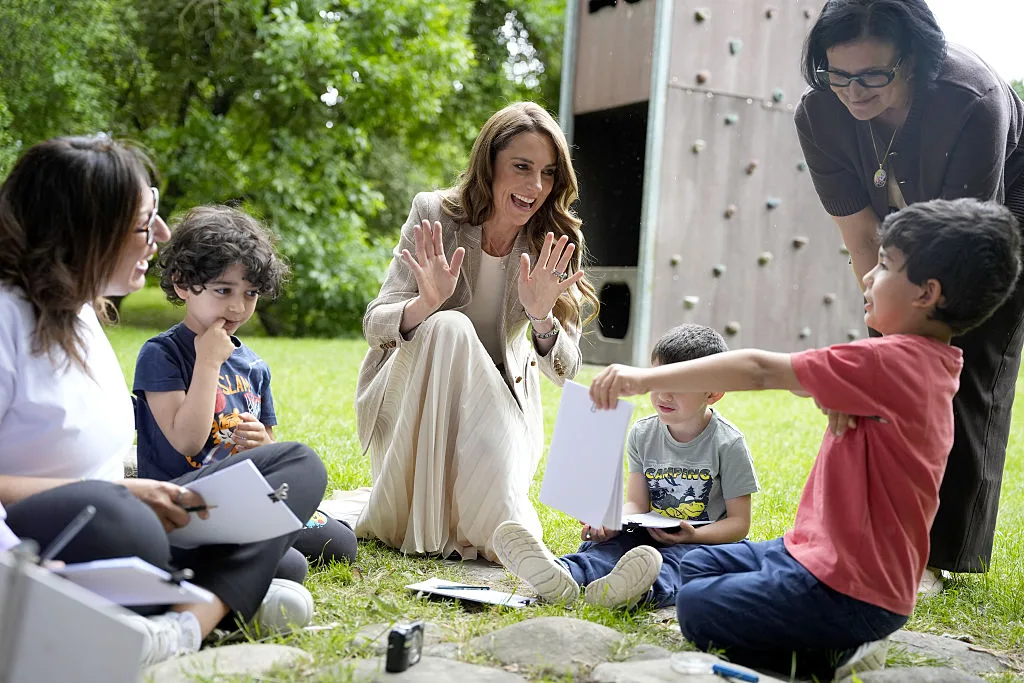
While Diana’s humanitarian legacy was built on emotional openness and hands‑on compassion, Catherine’s work is research‑driven, collaborative and anchored in the science of the first five years.
“She’s a proper pro on early years,” William said while speaking to Heart Breakfast in May.
And Arbiter, the biographer behind Queen Elizabeth II: An Icon of modern Monarchy agrees.
“Catherine has never responded when the press says she’s trying to be like Diana, and that’s the best thing she could do,” she explains. “She’s kept to her own lane, found initiatives she can really get stuck into, and made them uniquely her own.”
Echoes of Diana, but never imitation
Fashion has long been another point of comparison. Diana once said she wanted to be known as a “workhorse, not a clothes horse”, yet both women became style icons.
Diana used fashion to make statements; Catherine uses it to reinforce an image of confidence, continuity and modern professionalism. Her streamlined uniform of tailored suits has become her everyday signature, saving the wow factor for major state occasions.
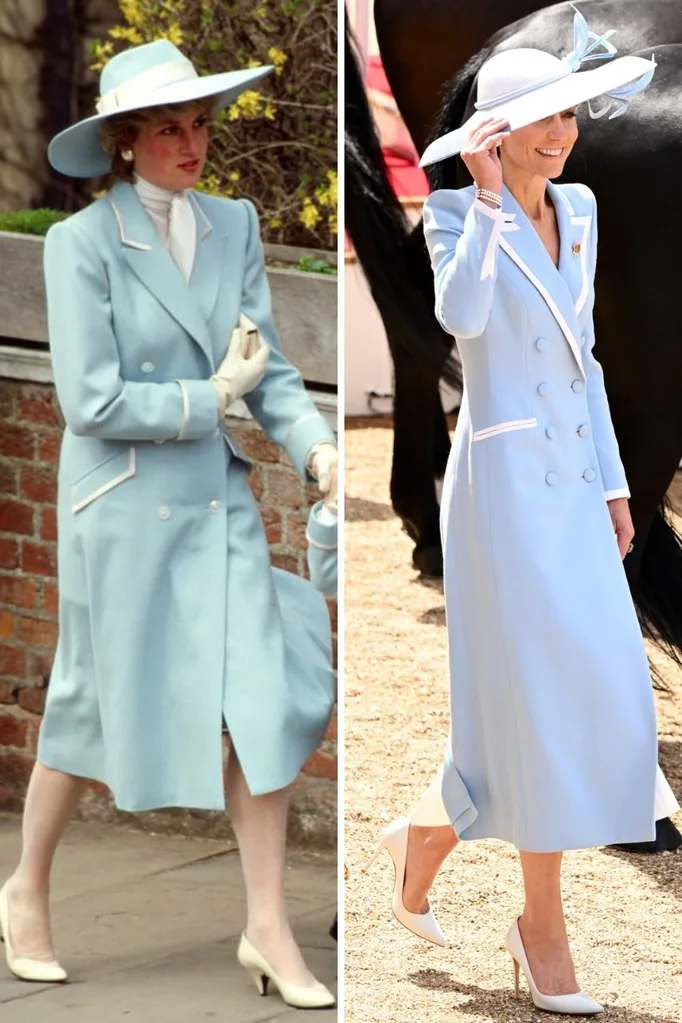
And while she occasionally wears polka dots, Catherine Walker coats or the sapphire jewellery once worn by Diana, Arbiter insists these are not attempts at imitation.
“I cannot imagine Catherine standing in front of her wardrobe thinking, How can I emulate my deceased mother‑in‑law today?” she says. “These are subtle nods to history — reminders of continuity within the monarchy.”
In other words: Catherine honours the past without being trapped by it.
Motherhood the Middleton way
Motherhood is another area where their philosophies intersect. Diana was determined that William and Harry experience glimpses of ordinary childhood by taking them to McDonald’s, theme parks, and showering them with affection.
William and Catherine have adopted the same approach for Prince George, 13, Princess Charlotte, 11, and Prince Louis, 8. They are regulars at school runs and sports days, but more focused on creating a happy and stable home life — something William and Harry largely didn’t have.

Kate’s own family has also helped her change this experience. The Middletons provided a stable, comparatively ordinary family environment outside the royal institution, giving Kate an identity that existed long before she became a princess.
The strong relationship she maintains with them today, and that Carole and Michael Middleton have with their grandchildren, has arguably helped them all navigate royal life without becoming entirely defined by it.
A title that comes with weight
There is no doubt that Princess Diana is a hard act to follow. The most photographed woman of her era, she changed the royal family in ways we still see today, leaving it much more open, honest and accountable.
She also helped to end the stigma around HIV and AIDS and shone a global spotlight on the landmine issue.
Taking on the title of “Princess of Wales” came with hesitation for Catherine. When Queen Elizabeth II died and the title passed to her, Kate was very “nervous”, biographer Russell Myers tells me.
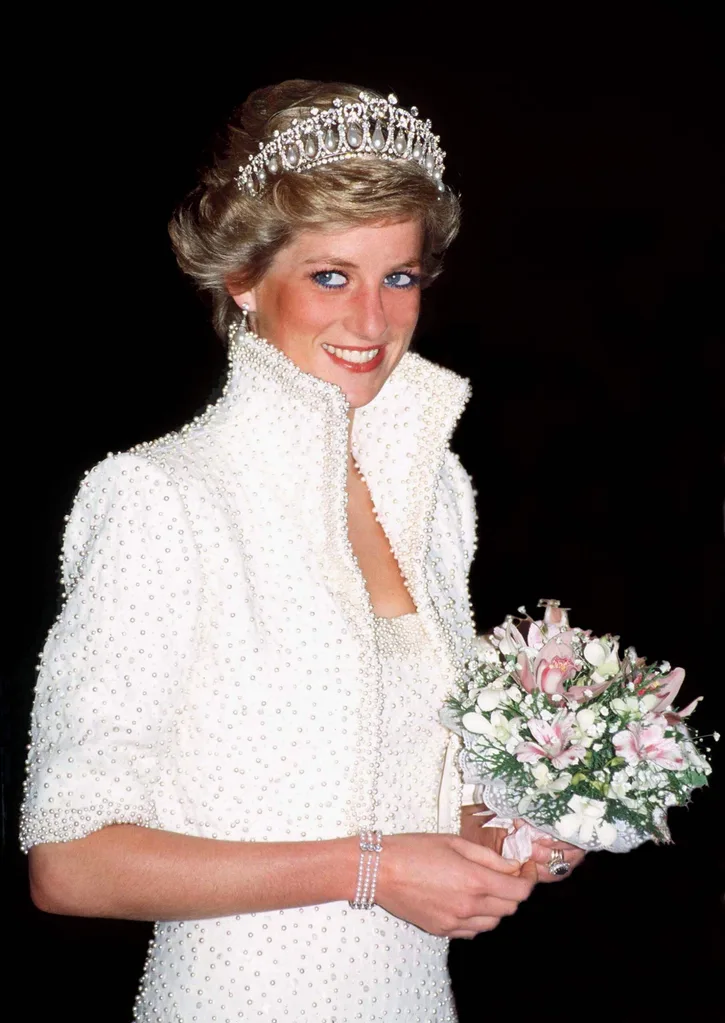
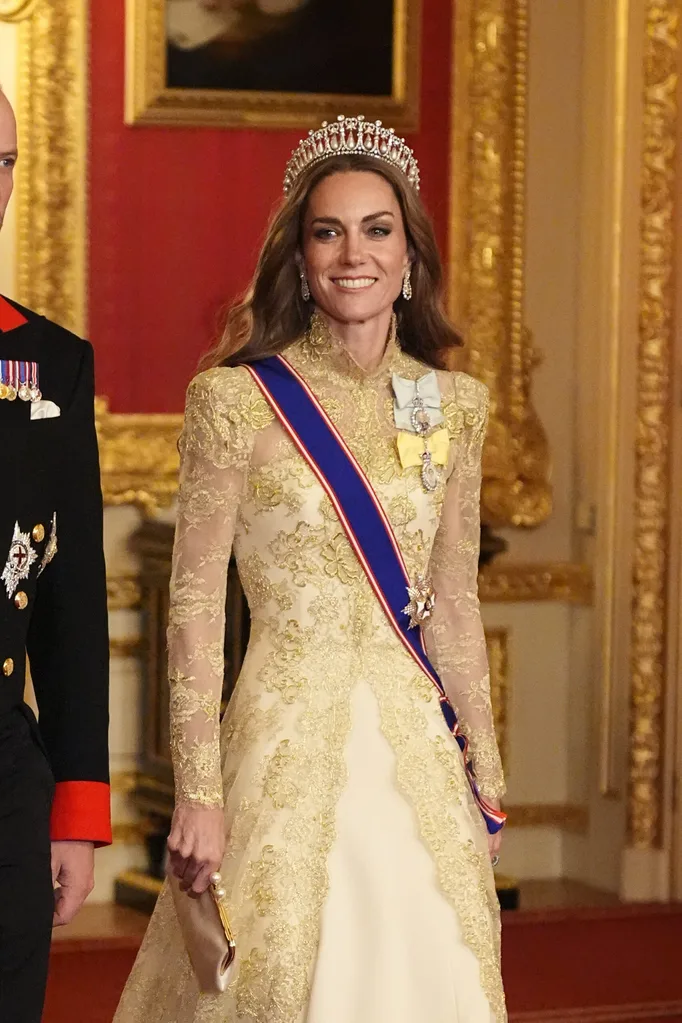
“She thought it might be too much of a burden to carry because of the great affection people still hold for Diana,” he explains. “This isn’t a job where there is a dress rehearsal so it is important to get it right. But there was so much support from within the royal family for her to do so which has proved to be right.”
The title carries history, expectation and emotion — but Catherine has worn it with quiet confidence. She has not tried to replicate Diana’s magic; she has created her own.
Catherine’s greatest achievement is that she no longer needs to be compared to her predecessor. She is a modern Princess of Wales that is right for today.
Read more expert opinion and analysis in WHO’s The Royal Verdict with Kylie Walters here.

