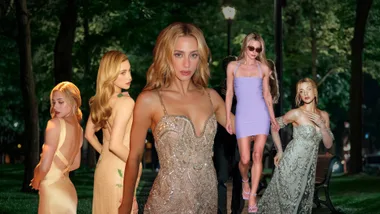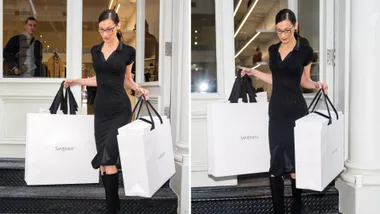
The Met Gala is fashion’s biggest night out and this year, it’s facing major backlash due to two billionaire guests.
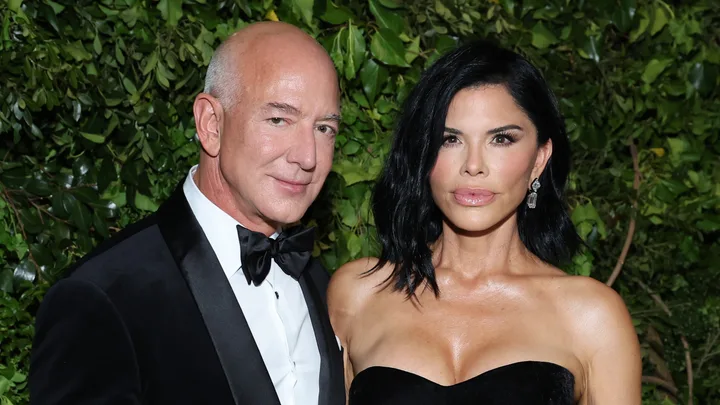
Jeff Bezos and Lauren Sánchez Bezos are co-chairs and lead sponsors for The 2026 Met Gala. Since news broke of their involvement, a boycott campaign has emerged in New York, with posters plastered across the street and subway to oppose the Amazon founders’ involvement.
However, Bezos isn’t the first ‘Big Tech’ billionaire to fund The Met Gala. In 2018, billionaire chairman and CEO of Blackstone, Stephen A. Schwarzman, and his wife Christine, funded the “Heavenly Bodies” exhibition. In other years, companies such as Apple, Meta, TikTok and Amazon (again) have also funded the gala.
The Met Gala has always been a high society, privately funded event, and when Anna Wintour took over as chair in 1995, the event became even more exclusive and invitation-only…and billionaires have been on the guest list for a while.
So, why is this year different?
Speaking to WHO, Nina Gbor, Director of the Circular Economy & Waste Program at The Australia Institute, said it comes down to visibility.
“I think this year there’s been a lot of public outrage because. Jeff Bezos and, of course, his wife, Lauren Sánchez, are seen as buying cultural power,” Gbor said. “The fashion particularly has been something that is very about creativity, artistry, culture.”
“And for tech billionaires to get involved, it feels like they’re purchasing that and controlling and manipulating it rather than it being about fashion and artistry itself.”
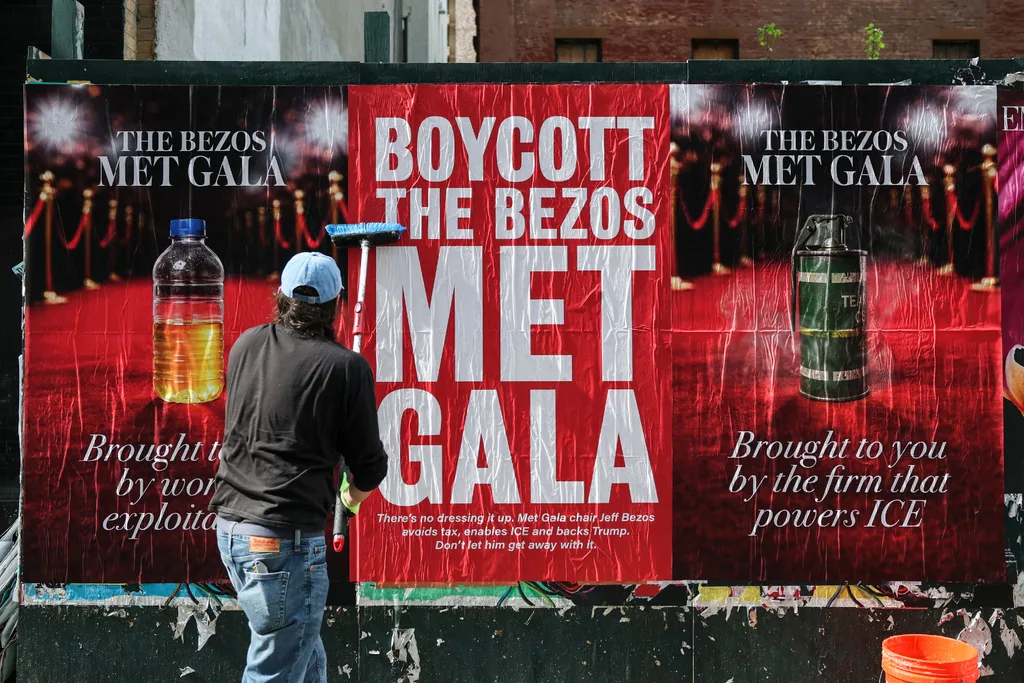
Why are people outraged about The Met Gala this year?
Fashion has always been funded by external powers. However, until now, billionaires funding The Met Gala have remained relatively quiet, sticking to traditional channels of stamping their logo on promotions and fading away into the background. They haven’t sat front row at Paris fashion week shows, shut down Venice for their wedding, or featured in a multi-page Vogue spread.
Jeff Bezos and Lauren Sánchez have.
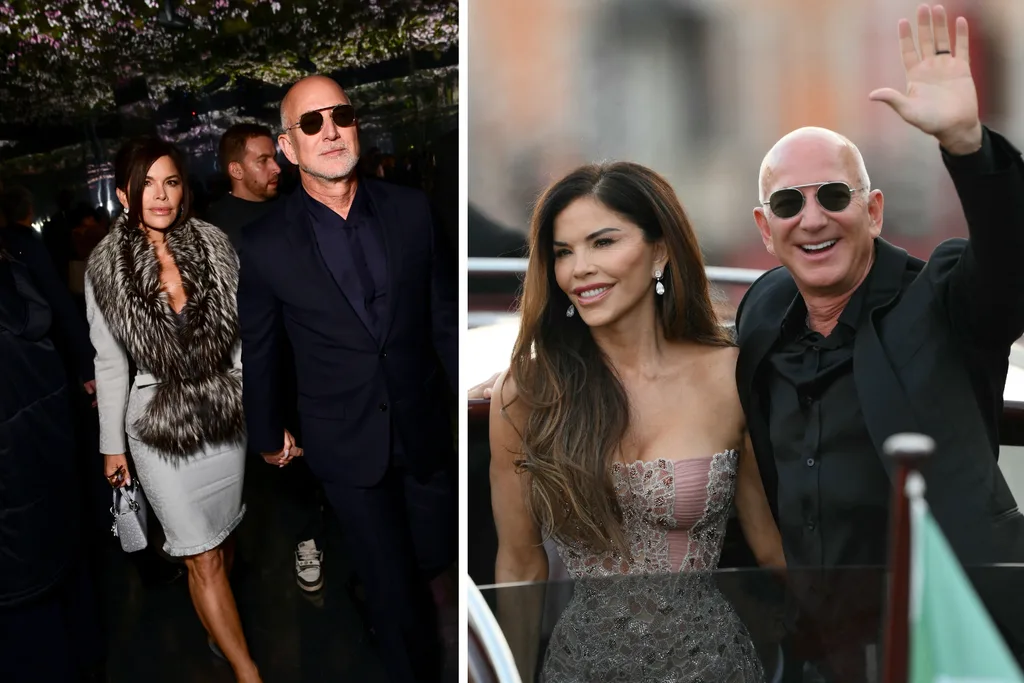
Dbor explains to WHO how Jeff Bezos is “not a quiet billionaire” but, instead, an extremely visible one.
“So there’s already a lot of public distrust and anxiety and anger towards him,” Gbor explained. “That notion that they were buying culture as a power couple already existed. And I think this is a continuation of that in a certain context.”
Not only are Jeff Bezos and Lauren Sánchez loud, but they’re loud while people are struggling financially and there’s growing distrust towards ‘Big Tech’ and AI.
“People perceive it as they are forcefully trying to put themselves in the front row of fashion when they are just tech billionaires with a bad reputation for ethical supply chain purposes and with no history in fashion per se,” Gbor told WHO.
“There’s a political aspect to it, and then the little that we have that we can celebrate and have fun with is culture and fashion, and they’re coming to take that as well.”
Is this backlash a step in the right direction?
The Met Gala is the most prestigious event in the global fashion calendar, even if it has garnered backlash from critics for being “the epitome of excess”, as Nina Gbor describes.
However, there is room for this influence to pave the way for change.
“It’s possible to have that glamour side of fashion as well as acknowledge the responsibilities that the industry has towards ethics and positive culture shifts and things like that,” Gbor told WHO. “I think Met Gala would be the perfect platform to make that happen.”
“It has a huge, huge significance with driving systems change if it wants to do that. There’s been a lot of pressure for it to move beyond just being about fundraising to serve as more of a mirror for more ethical, more equitable future within the fashion industry.”
There are already examples of celebrities and luxury brands harnessing The Met Gala for activism or moving towards sustainability, such as Chanel launching NEVOLD in 2025, a sustainability initiative rethinking production and repurposing recycled materials.
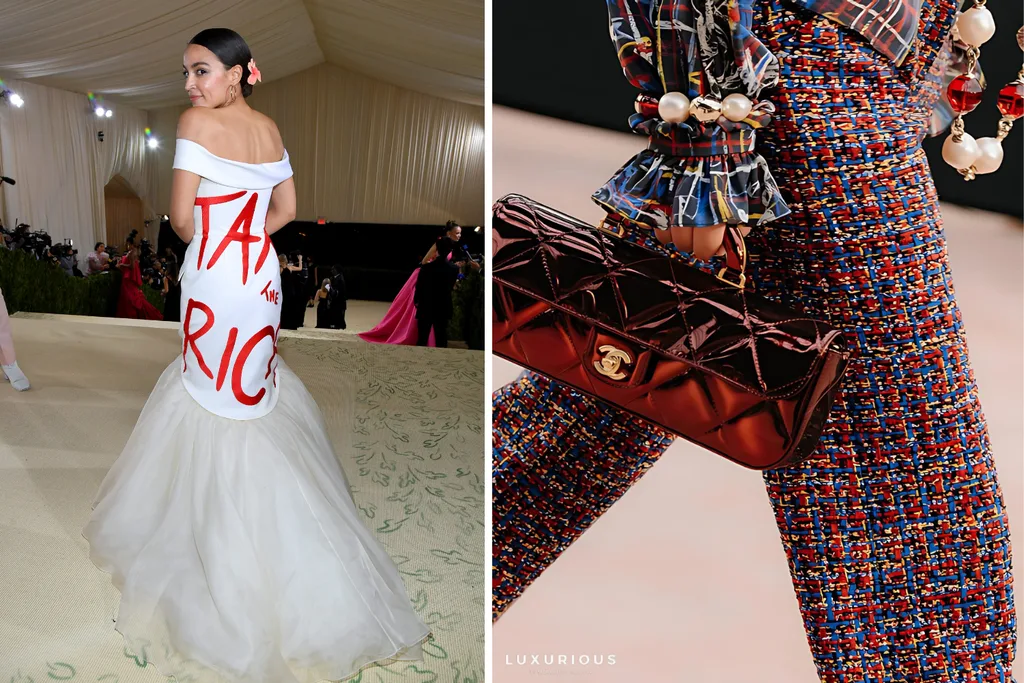
However, this backlash isn’t just an opportunity for The Met Gala to change, but also a cautionary tale for future fashion fundraisers, runways, events, and brands.
“Usually whenever there’s backlash through an event like this or a project or initiative, I think other companies, brands, and organisations take note,” Gbor explained. “So I think it sparks those conversations for these types of fashion weeks and other fashion events. It’s definitely an opportunity to have this conversation on a bigger scale.”
“I just hope that somehow the silver lining from this is that people embrace fashion again for what it is in terms of the good side of fashion, in terms of creativity, artistry, and positive steps towards advancement in culture.”
As the Met Gala takes place on Monday, May 4, hopefully, conversations like this can push brands and public figures towards sustainability and circularity. Maybe then fashion’s “biggest night out”can reclaim the artistry and culture that it stands for.

Related stories

Native ad body.
Native ad body.

Native ad body.