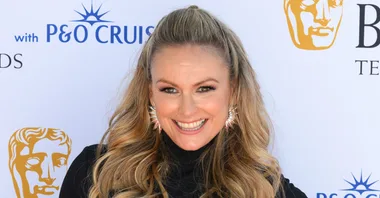
 Chat GTP
Just a few short weeks ago, social media feeds were overflowing with side-by-side photos comparing users today with their 2016 selves.
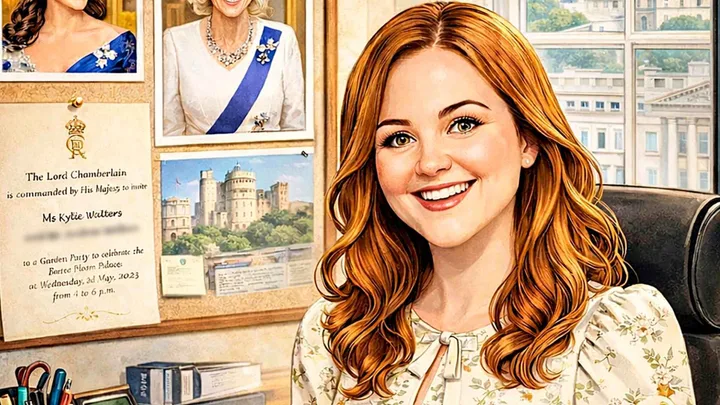
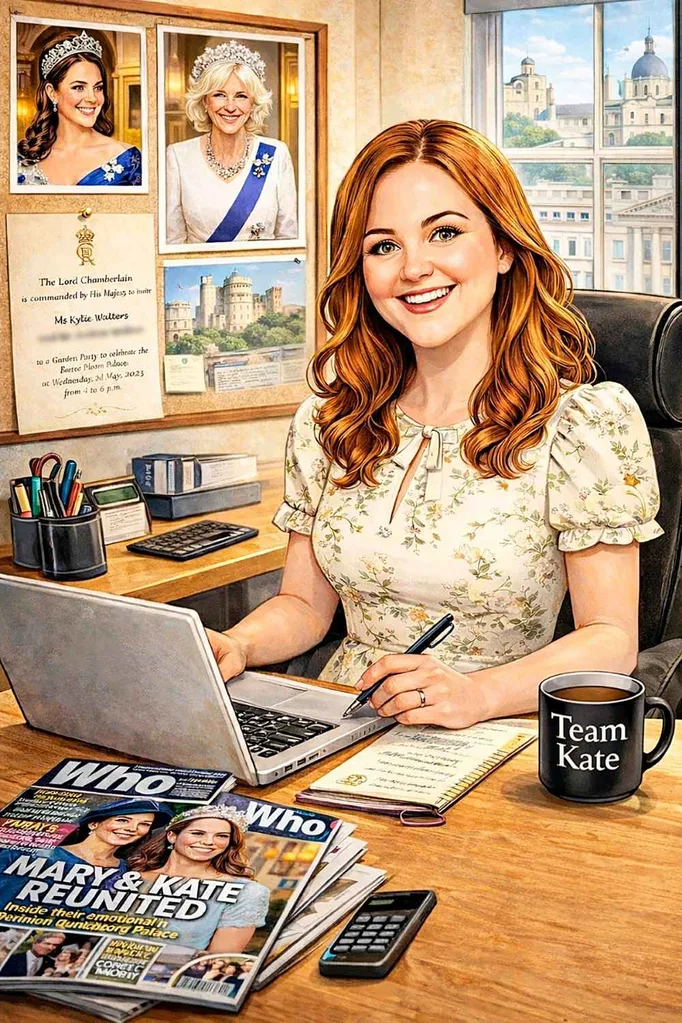
Now, the internet has already leapt to its next viral distraction: AI-generated caricatures created from whatever information ChatGPT can gather about a person, paired with a supplied photo.
It all feels lighthearted and fun, but do these artificial intelligence trends come with a hidden cost?
What are you giving away when you share a snap with AI?
“There are a couple of these trends floating around right now and they all seem to have one thing in common,” digital wellbeing researcher Dr Joanne Orlando tells WHO. “They entice us to hand over images and information we wouldn’t normally share, which is gold to an AI company.”
We’ve seen similar crazes before, such as the 2025 Barbie doll transformations and Ghibli-style Japanese animation filters. But the stakes are rising.
The images and personal details we provide, Orlando explains, can be used for a wide range of purposes. While some are harmless, others are far more concerning.
“They can sell it for marketing purposes,” she says. “It’s also used to train AI and facial recognition systems, which are developing so quickly that your data could be used for something in five years’ time that doesn’t even exist yet – and you wouldn’t necessarily consent to it, but you’ve already handed it over.”
What are the hidden dangers of AI trends?
In more extreme cases, she warns, this could even extend to “criminal activity”, such as your likeness being used as “the face of a scam” without your knowledge.
Orlando points to another recent trend that asked people to scan their facial biometrics to receive a rating on how attractive they are.

“Your facial biometrics are as important and unique as your fingerprints,” she says. “In a world where devices and programs are increasingly accessed through biometrics, imagine what could happen if yours fall into the wrong hands.”
It’s no surprise, then, that public trust in AI is slipping.
Roy Morgan research from October 2025 found that 65 per cent of Australians believe AI “creates more problems than it solves”.
Yet, that hasn’t stopped us from joining in.
Why can’t we get enough of AI trends?
Trends can spread very quickly, often accompanied by captions and easy links urging others to post their own. And that’s part of the appeal.
“It’s a fun way to play as an adult, which is why they take off,” Orlando says. “But AI can be just as addictive as social media because it keeps prompting you back. If spending too much time on Instagram or Facebook is a problem for you, you’ll likely have the same issue with AI platforms.”
Digital sociologist Dr Jessamy Perriam also understands the draw.
“With this particular trend, the prompt is to create a caricature based on everything that artificial intelligence knows about a person,” she tells WHO. “People are always curious about how others perceive them. It puts a fun twist on that idea.”
The senior lecturer in the School of Cybernetics at The Australian National University says there are easy steps we can take to stay safe online.
“When you’re handing over any kind of personal information to AI, ask yourself whether you’d be comfortable sharing it in an open online forum. If not, you shouldn’t be giving it,” she says.
“And when it comes to photos, make sure there’s no sensitive information in the background that could reveal your location, workplace or school. If it’s taken at work and you’re a doctor or psychologist, for example, you don’t want a stack of files visible with patient details.”
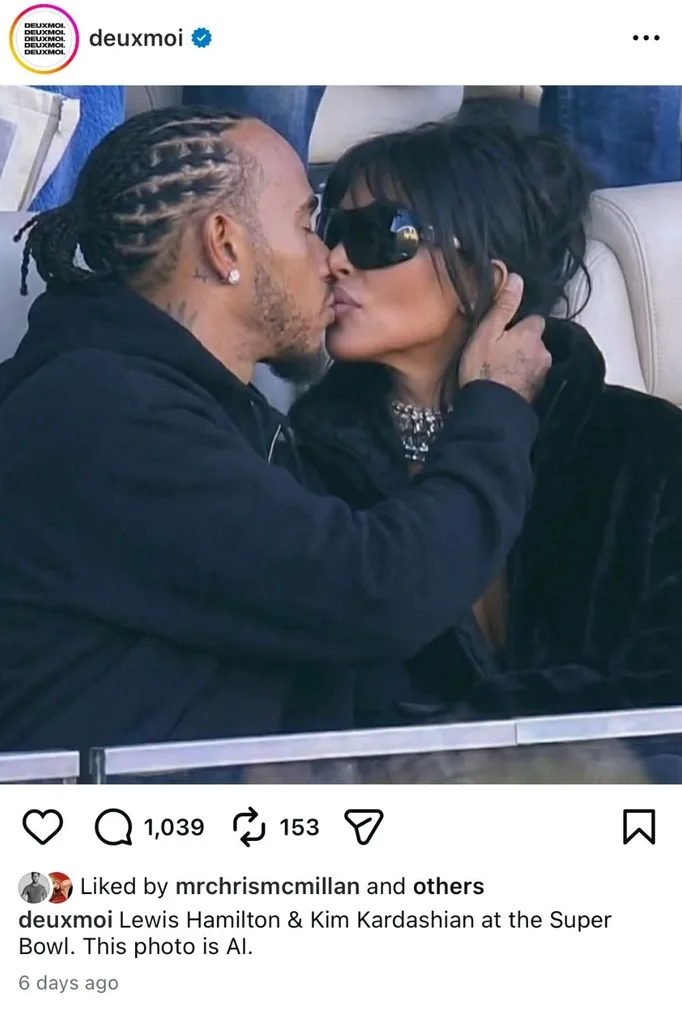
As AI becomes more advanced, we’ve seen an explosion of seemingly realistic but entirely fake images of celebrities doing the rounds online.
By sharing our own photos, everyday people could become just as vulnerable to having their likeness manipulated.
“Theoretically, after you’ve shared your image and identifying information, anyone could jump onto AI and ask for an image of you in a compromising position,” Perriam explains.
“It’s OK to have fun, but we need to be aware of the risks and have an idea of what we are willing to accept first.”

Related stories
Native ad body.
Native ad body.
Native ad body.