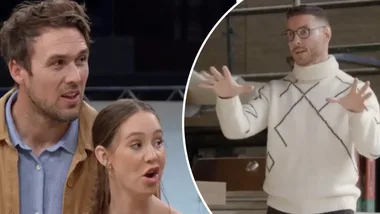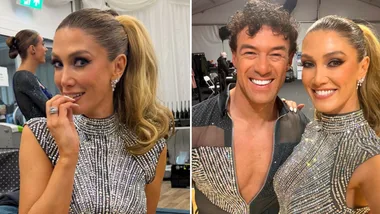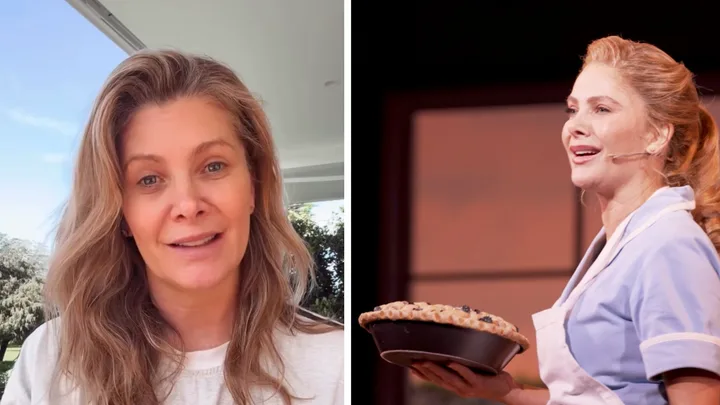
Whether you’re obsessed with the theatre or think of it as an excuse to get dressed up, you may have heard about the cancellation of Waitress: The Musical’s Sydney shows due to cost-of-living pressures and slow ticket sales. Unfortunately, this high-profile production is far from an isolated case.
Major theatre productions Beetlejuice: The Musical and Back to the Future: The Musical also announced premature ends to their Australian tours in June and January this year, with Back to the Future ending in Sydney and Beetlejuice closing in Brisbane this week.
Producer Michael Cassel Group cited touring costs and a “cautious consumer environment” to explain Beetlejuice’s closure, and soaring operational costs and softer-than-expected ticket sales were blamed for Back to the Future’s cancellation.
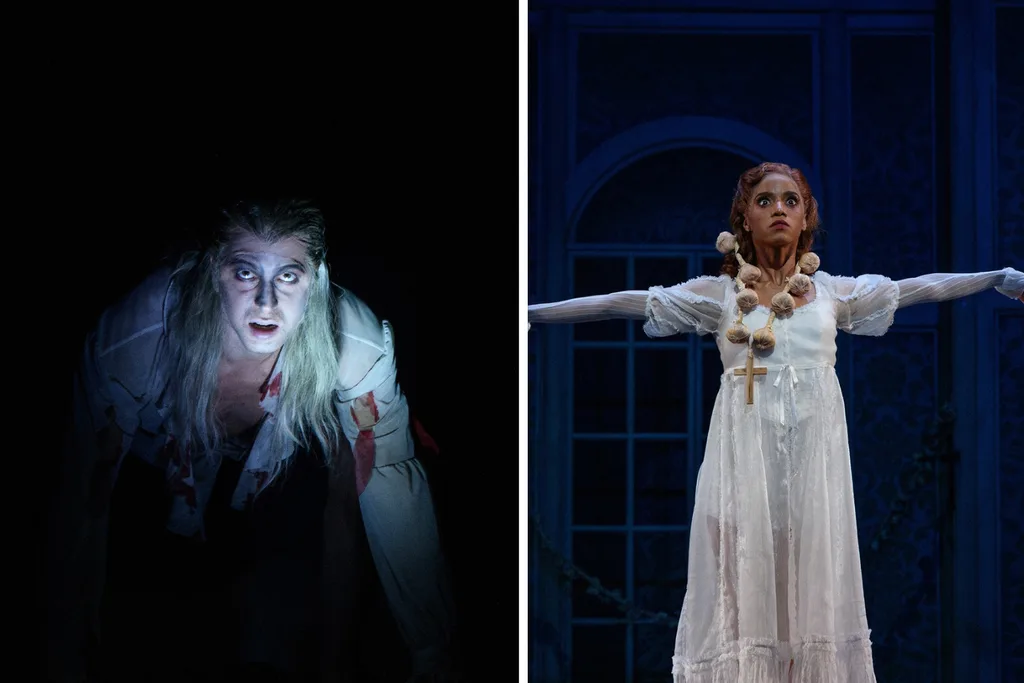
These cancellations point to a broader issue that Australia’s arts and live performance industry has been facing for a while. For months, arts organisations have been quietly scaling back, as orchestras are cutting musicians or replacing them entirely with pre-recorded soundtracks. In March this year, the West Australian Ballet received backlash for using pre-recorded music for its upcoming 2026 Adelaide season of Dracula.
Speaking to WHO, James Steendam, Federal President MEAA Musicians, revealed the consequences that this has not only on audiences and how the arts is respected on a broader scale, but also on “the next generation of musicians” who are entering an unsustainable industry.
“They send a very troubling message: that live music is becoming optional rather than essential,” Steendam said. “I don’t think the outcome is inevitable, but I do think we’re at a critical moment.”
So, while these recent cancellations are sparking outrage from the public and industry groups, they’re also raising questions around what’s needed for Australia’s arts and entertainment industry to succeed.
Why are shows getting cancelled?
For both audiences and producers, productions have become more “unsustainable” than ever.
Ticket prices and pricing structures are proving the biggest barrier to audiences, after a Creative Australia survey revealed that while 74% of Australians attended a live arts event in 2025 – the largest on record – 60% confirmed that ticket prices were a roadblock to attending more often.
“Unfortunately, because of the rising costs of living, people know that the general public doesn’t have the expendable income to go to the theatre as much,” Theatrically Alex, a Brisbane-based Theatre creator told WHO. “And they also know that rising costs equal rising production costs for shows.”
“The sentiment that I’ve seen online at the moment is very much that people are scared now to pre-purchase tickets for shows because they’re afraid that they’ll get cancelled,” she added.
She explained that these financial pressures, coupled with ticket pricing structures that are actively rewarding people who wait, with cheaper seats available closer to the date, have created a cycle that makes financial planning almost impossible for producers.
“Theatre needs to be more sustainable for everyone,” Alex said. “That includes patrons and that includes employees, and we can’t have one without the other.”
From the industry side of things, Matthew Beale, Executive Director of Sydney Philharmonia Choirs, echoed Alex’s concerns, and explained to WHO how for the “classical arts”, opposed to the commercial sector that productions like Waitress sit in, arts companies are “supported by government grants” as well as “donors.” However, this too comes with it’s challenges, when funding is allocated away from these grants and donors experience cost-of-living pressures.
“Every arts company in Australia has just had their end of financial year, and I think the general feel is that everybody’s felt the squeeze because of macroeconomic factors,” Beale said.
‘No part of the industry exists in isolation’
As musicians are cut from orchestras and shows are cancelled, Steendam, Beale, and Alex all warn that the “artistic quality” of shows is decreasing, further preventing audiences from investing their time and money.
“Audiences buy tickets expecting a live performance,” Steendam said. “The magic of theatre, opera, ballet and musical theatre comes from the interaction between performers and musicians in real time. When productions reduce orchestra sizes or replace live musicians with recordings, audiences are effectively being asked to pay premium prices for a diminished product.”
“When you go to the theatre, especially if you’re an avid theatre goer, you’re not just going to see the actors and actresses,” Alex said. “I think that we can’t expect patrons to stick around if we’re in an industry that is so unsustainable at the moment that they literally have to cut integral parts of the company.”
This “self-defeating” cycle, as Beale described, has flow-on effects to the creative “ecosystem” as well, as less musicians are inclined to enter the workforce.
“The ecosystem analogy is important because no part of the industry exists in isolation,” Steendam said. “If pit orchestra jobs disappear, fewer musicians are able to sustain professional careers. If fewer musicians can sustain careers, fewer students will commit to the years of training required to reach that standard.”
“Eventually, producers who claim there’s a shortage of available musicians will be pointing to a problem that was created by years of underinvestment and job cuts.”
How are other countries sustaining the industry?
While the post-pandemic arts crunch is global, local industry leaders point to highly successful international models—specifically in the United Kingdom—as a blueprint for survival.
“When you look at countries like the UK, they have major theatre tax relief schemes to protect theatre and reinvest that money back into the theatre,” Alex said.
The UK’s Theatre Tax Relief scheme, which started in 2014, is a government incentive that allows production companies to claim up to 45% cash back on production costs. Additionally, if they’re experiencing a loss, the government pays that percentage back in cash, and if it’s making a profit, the company’s tax bill is reduced.
“We should replicate that model here,” Steendam said. “Tax incentives would reduce the cost of a production, freeing up funds for a full orchestra, and better access for audiences through reduced ticket prices.”
Australia already offers tax treatment for the AFL comparable to the UK’s Theatre Tax Relief scheme. Since the AFL operates as a not-for-profit and therefore doesn’t pay corporate income tax, revenue can be reinvested back into the sport for promotion and development.
So, Alex asks, if there are measures in place to make football more affordable, why not do the same for theatre?
‘We’re at a critical moment’: Can Australia’s arts industry be saved?
Despite the grim outlook, Steendam sees a glimmer of hope in the public’s fierce resistance to these cuts, pointing to the wave of industry “solidarity” that followed the West Australian Ballet controversy.
“It demonstrated that musicians across the country understand this isn’t an isolated incident, ” he said. “It’s a national issue.”
When asked if we’re at a tipping point in the industry, he explained that he doesn’t “think the outcome is inevitable, but [he does] think we’re at a critical moment.”
“The decisions being made now will shape what the industry looks like for decades,” he warned. “If producers, governments and funding bodies continue to allow the replacement of live musicians with recordings, we’ll see a gradual erosion of employment opportunities and artistic standards.”
“The good news is that this trend can absolutely be reversed. We know what the solutions look like. They include stronger protections for live music, better funding certainty, minimum orchestra requirements for publicly supported productions, and policies that recognise the value musicians create.”
He said that the MEAA are working “closely with government and industry stakeholders, demanding that the next National Cultural Policy provide real solutions to these problems, and that Australian copyright law also be extended to include further protections for all creative and media workers.”
“We’ve seen governments act decisively before when cultural infrastructure was under threat,” he added. “The question now is whether there’s the political will to treat live music as a public good worth protecting.”
These struggles aren’t new, but the conversations people are having are. The question now is whether Australia is prepared to invest in the future of live performance before more productions disappear.

Related stories

Native ad body.

Native ad body.

Native ad body.