
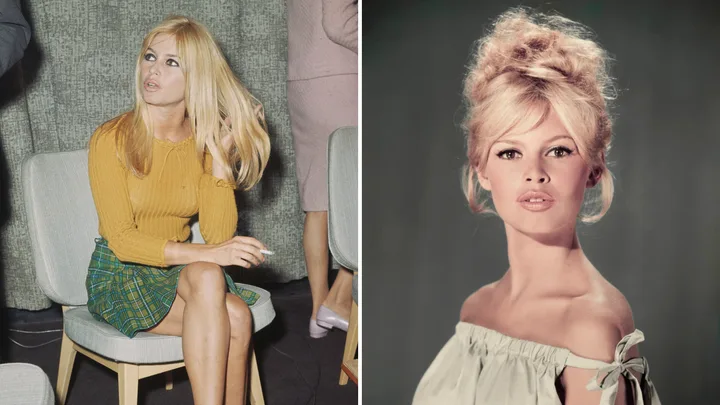
French actress Brigitte Bardot, who became synonymous with the terms “bombshell” and “sex symbol”, passed away at the age of 91.
The performer, singer and style icon is reported to have died on Sunday, December 28, 2025, at her home in southern France, as confirmed by Bruno Jacquelin of the Brigitte Bardot Foundation for the protection of animals.
In a statement to The Associated Press, the foundation said, “The Brigitte Bardot Foundation announces with immense sadness the death of its founder and president, Madame Brigitte Bardot, a world-renowned actress and singer, who chose to abandon her prestigious career to dedicate her life and energy to animal welfare and her foundation.”
During her career, which kicked off in the 1950s, Bardot appeared in around 50 movies and became one of the most prominent style icons of all time.
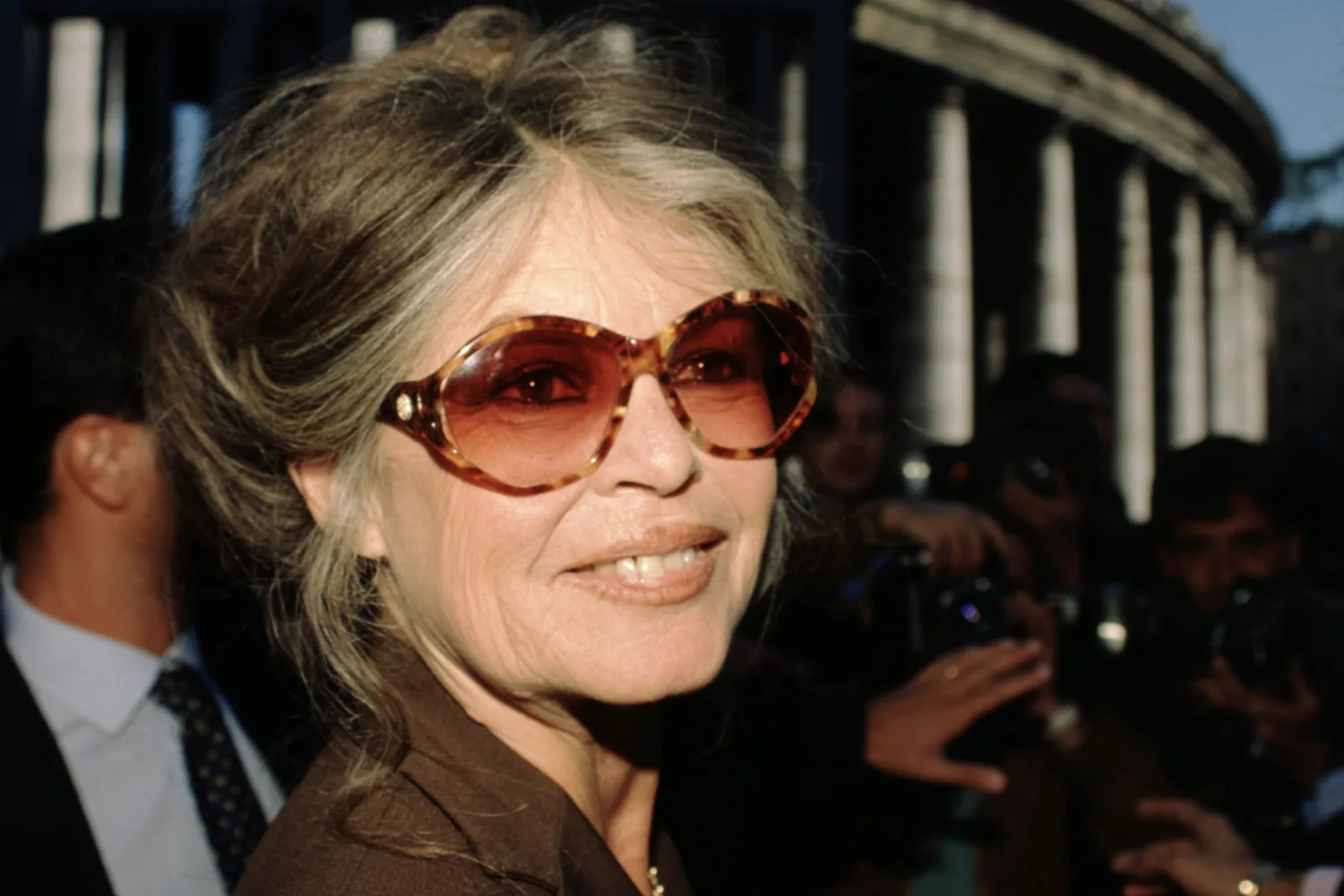
Her signature blonde hair, voluptuous figure and sultry looks helped revolutionise the way sexuality was portrayed in films, and despite retiring from acting in the 1970s, her legacy and appeal have endured.
What movies was Brigitte Bardot in?
Born 28 September 1934, Bardot’s breakthrough was And God Created Woman, written and directed by her then-husband Roger Vadim and released in late 1956.
While the film enjoyed only modest success in France, it became a phenomenon overseas, earning an estimated $8.5 million worldwide.
In its wake, a wave of Bardot’s new and earlier films, including Mam’zelle Pigalle, Please! Mr. Balzac and the 1952 title The Girl in the Bikini, reached American audiences, cementing her status as an international sex symbol.
Back home in France, Bardot quickly rose to the top of the box office with The Bride Is Much Too Beautiful and La Parisienne, which showcased her lighter, comic touch, as well as darker fare, including The Night Heaven Fell, The Woman and the Puppet and In Case of Emergency.
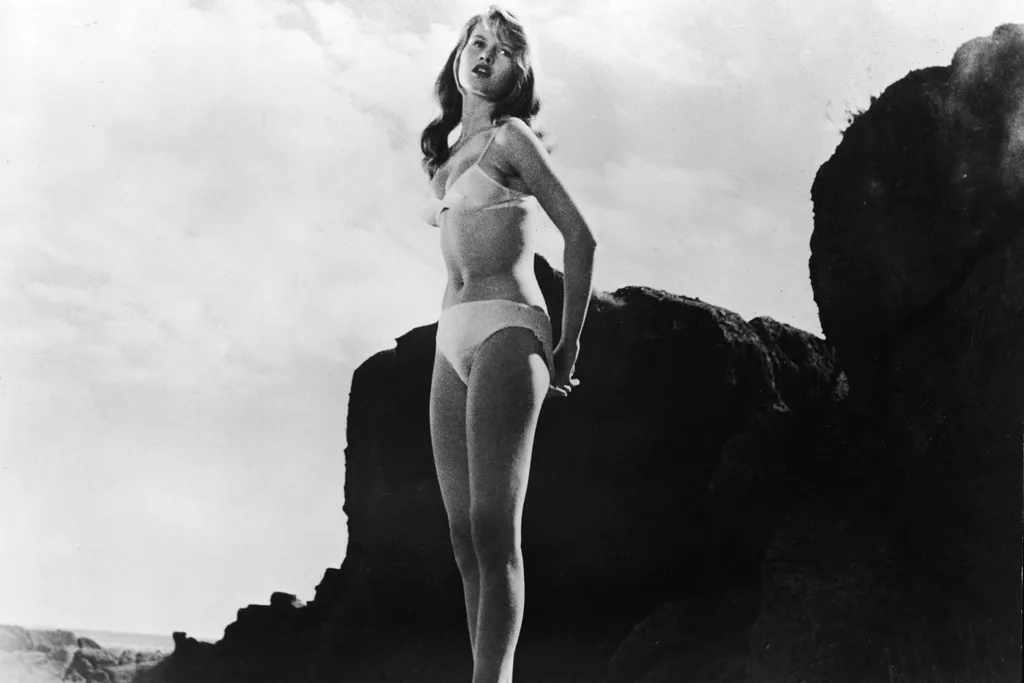
Why did Brigitte Bardot stop acting?
Bardot was never entirely comfortable with being in the spotlight and stepped away from the film industry in the 1973.
After walking away from her acting career, she devoted herself to fighting for animals, having been inspired on the set of her final film, The Edifying and Joyous Story of Colinot, where she saved a goat from being killed by keeping it in her hotel room.
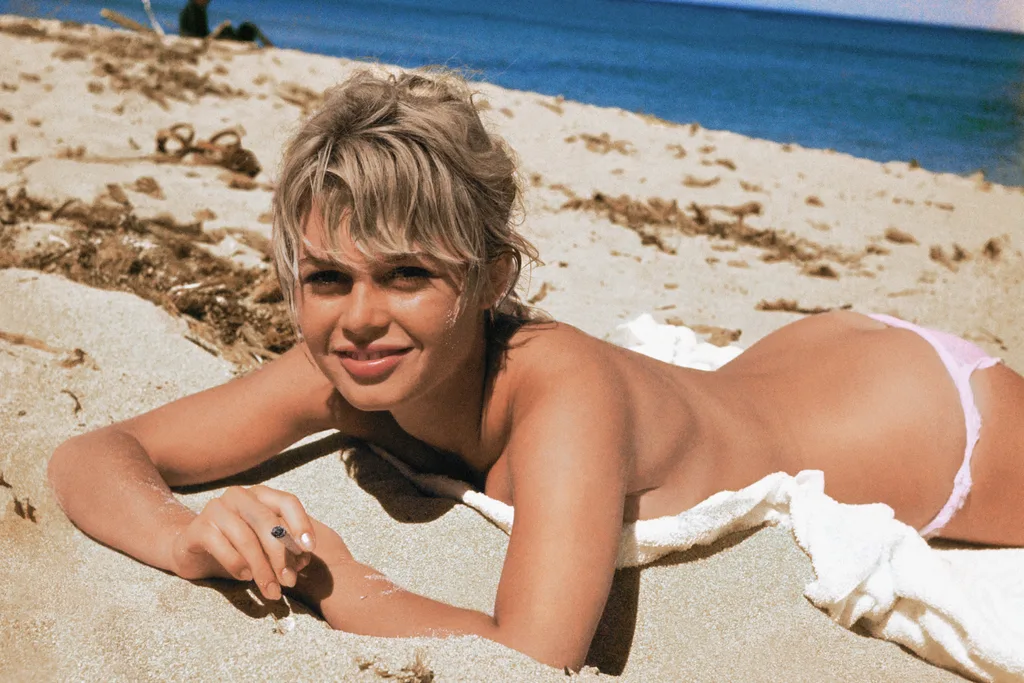
What was Brigitte Bardot’s cause of death?
According to Brigitte’s husband, Bernard d’Ormale, the 91-year-old was battling cancer before her death.
He told Paris Match that the actress passed away after undergoing “two cancer surgeries and experiencing severe back pain.”
How was Brigitte’s final day?
Bernard, who married Brigitte in 1992, told the outlet of his wife’s final moments, saying: “I never left her side. I watched over her, supported by nurses who came discreetly every day,” per a translated article.
“In the morning, when I served her the breakfast she loved. Like a child, she also had her afternoon snack: tea with milk and a croissant,” he shared.
Speaking about the morning of her death, he told the outlet: “I was half asleep beside her. I sat up when I heard her say ‘Pioupiou,’ that little nickname we used for each other in private, and then it was over.”
“A sense of peace and tranquility settled over her face. And she became incredibly beautiful again, just like in her youth. You wouldn’t have believed she was 91,” he concluded.
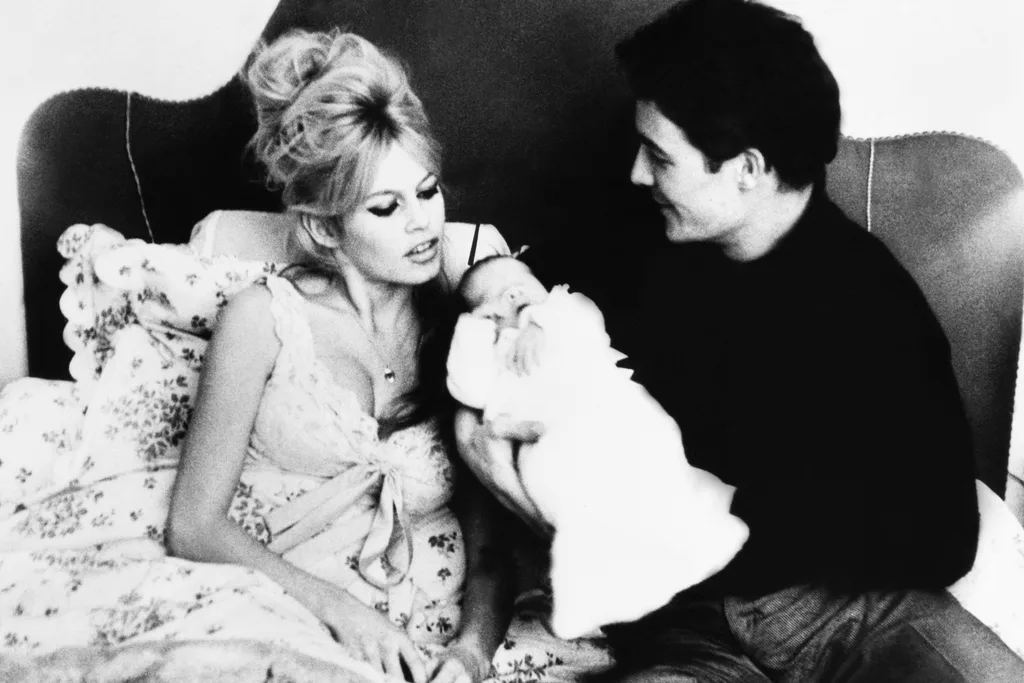
Did Brigitte Bardot have children?
Bardot was married four times and had one child, a son.
Nicolas-Jacques Charrier was born on 11 January 1960, as a result of her marriage to actor Jacques Charrier. Bardot did not wish to become a mother and suffered depression after Nicolas-Jacques’ birth.
The mother and son had a tumultuous relationship, and Bardot was not invited to Nicolas-Jacques’ wedding in 1984. They reconciled in later years, with Bardot revealing they saw each other annually.
Bardot was also a grandmother to Nicolas-Jacques’ two daughters, born in 1985 and 1990.
Why was she controversial?
In her later years, Bardot faced criticism for her right-wing beliefs, particularly around Muslim immigration into France.
She also received backlash during the #MeToo movement for saying that some of the victims of sexual harassment in the film industry were “hypocritical and ridiculous” and accused them of “playing the part” and “teasing” producers in order to secure acting roles.
Related stories

Native ad body.
Native ad body.



Native ad body.