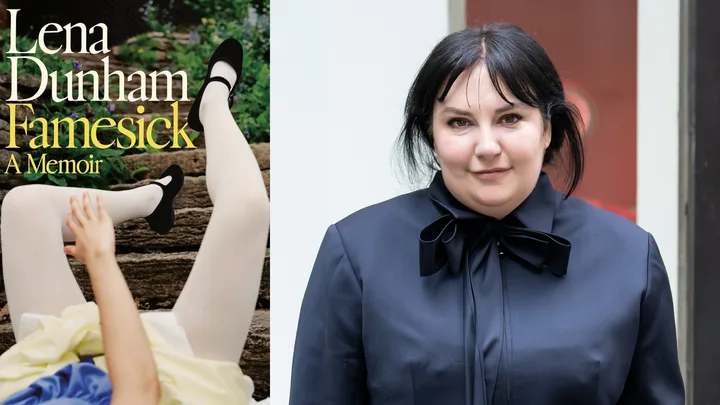
This past week, everyone has been apologising to Lena Dunham, and there’s many reasons why. Dunham (actor, writer and producer of HBO’s Girls) just released her new memoir Famesick, which is an honest response to fame, online backlash, illness and the contradiction of being hyper visible, yet deeply misunderstood.
In the 2010s, Dunham polarised audiences and received a great deal of hate for her work, personality, opinions, and body — so much so that her name almost became synonymous with, as Dunham herself describes in The Interview Podcast with The New York Times, “myopic millennial thinking or hapless feminism or man-hating or liberal twitdom.”
Yikes.
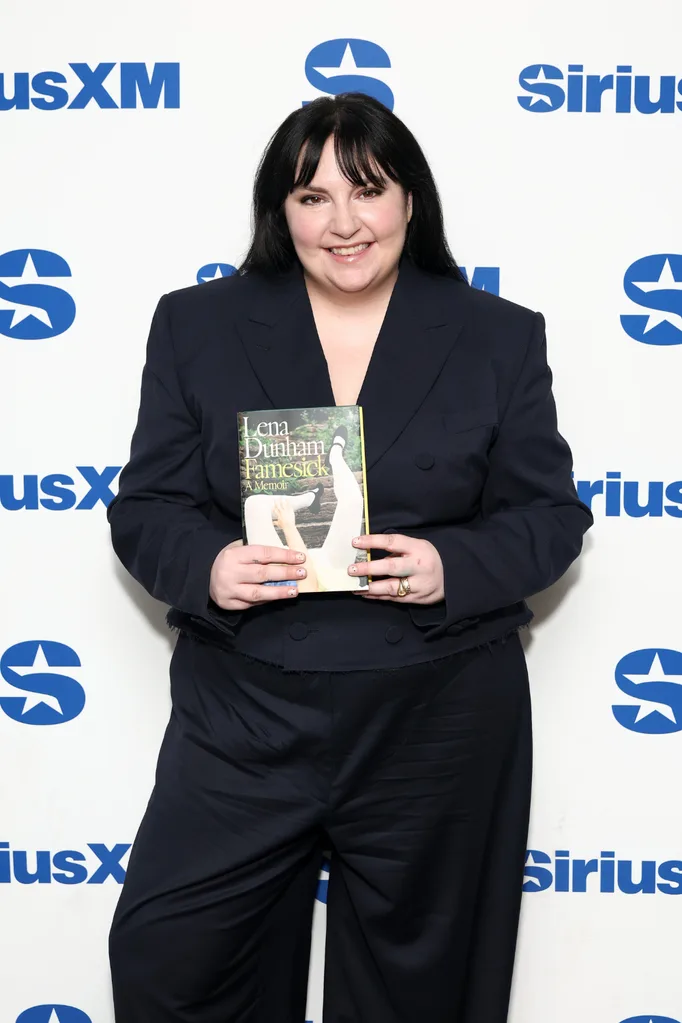
However, while the response has certainly been charged, there has been a throughline in responses that not even Dunham herself saw coming: apologies.
The fact that this shift in tolerance has only really come about after Dunham’s very confessional and candid deep dive into her private life really does say something telling about online audiences.
It suggests we often need celebrities to bleed in public – to overshare, to suffer – before offering empathy or respect.
Dr Anastasia Hronis, a clinical psychologist and the founder of the Australian Institute for Human Wellness, spoke to WHO about the feeling of “redemption” that memoirs bring out, as well as how internet culture has changed our expectations of celebrity vulnerability.
These apologies aren’t just for Dunham, but also for the era of online pile-on culture that punished imperfection, especially in women.
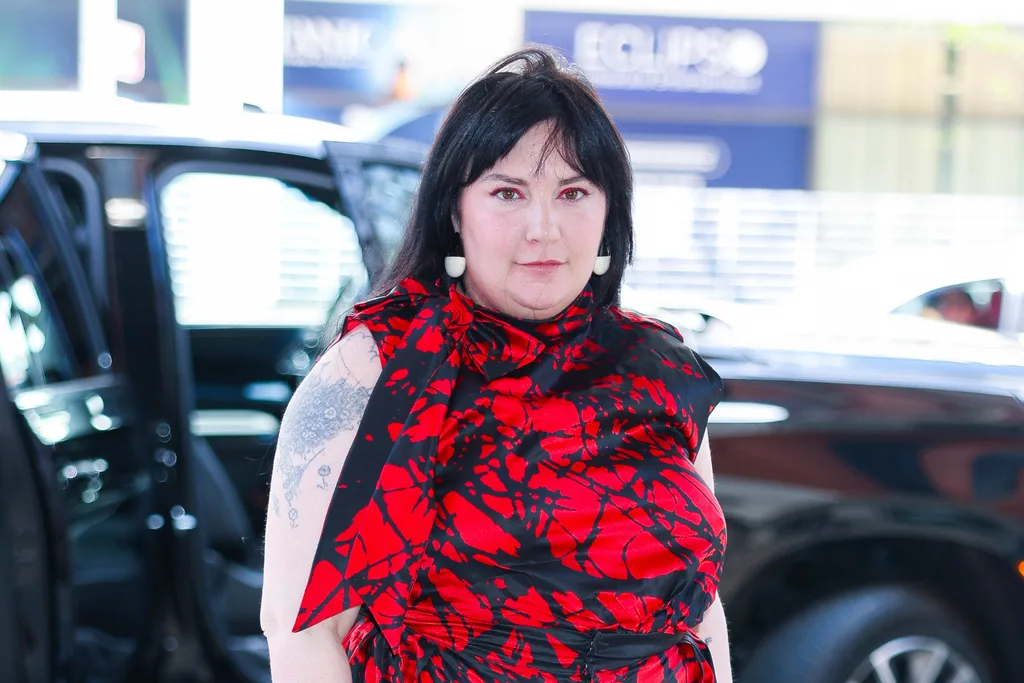
Why did Lena Dunham cop so much hate?
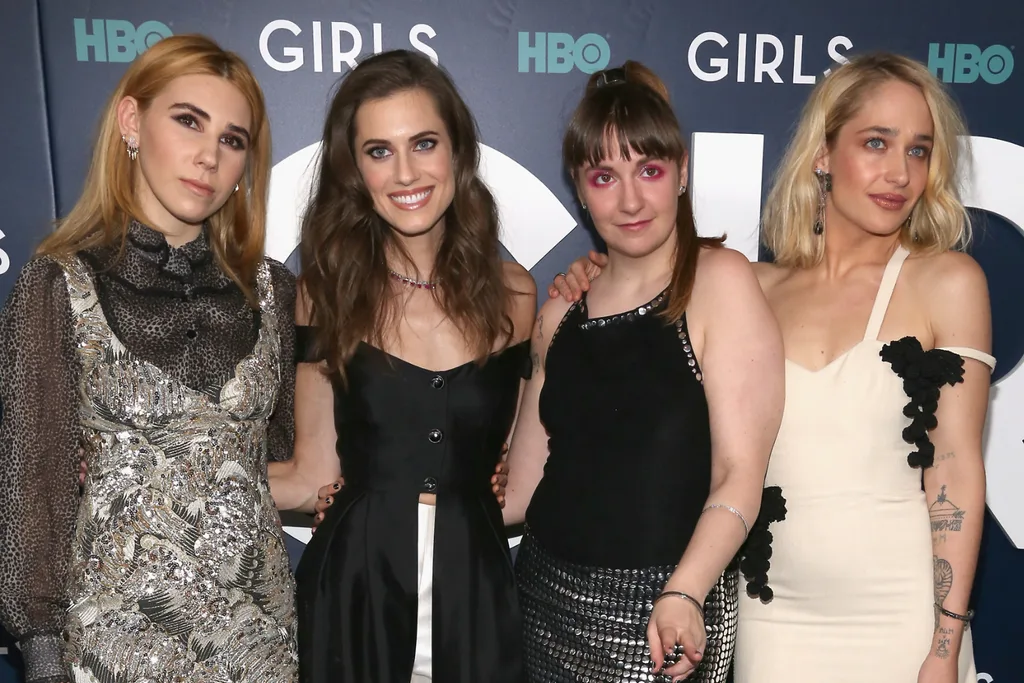
The show Girls follows four girls navigating life in their 20s in New York City.
The show is still highly referenced, showcasing it’s role as a cultural touchstone for many; however, during it’s run, it received mixed reviews, such as being too sexually frank and divisive.
In the same way, Dunham’s voice, opinions, and even her body polarised audiences.
The writer was criticised for not being self-aware enough, being too loud, or simply for the way she looked.
While some of her opinions were divisive for audiences, resulting in public apologies from the star herself, the intensity of the backlash she received was extreme for the time.
What does Lena Dunham unpack in her memoir Famesick?
In her memoir, which releases in Australia on April 28, Dunham self-interrogates and unpacks past relationships and controversies, airs regrets from her first memoir Not That Kind of Girl: A Young Woman Tells You What She’s Learned, and discusses the emotional cost of being at the forefront of the internet’s pile-on culture.
Famesick unpacks the turbulence of Dunham’s life behind-the-scenes and her struggle with drug abuse, dysfunctional sexual relationships, and chronic illness.
This has been framed as less of a traditional memoir, and more as a reckoning with a decade of public mistakes, illness, and fame.
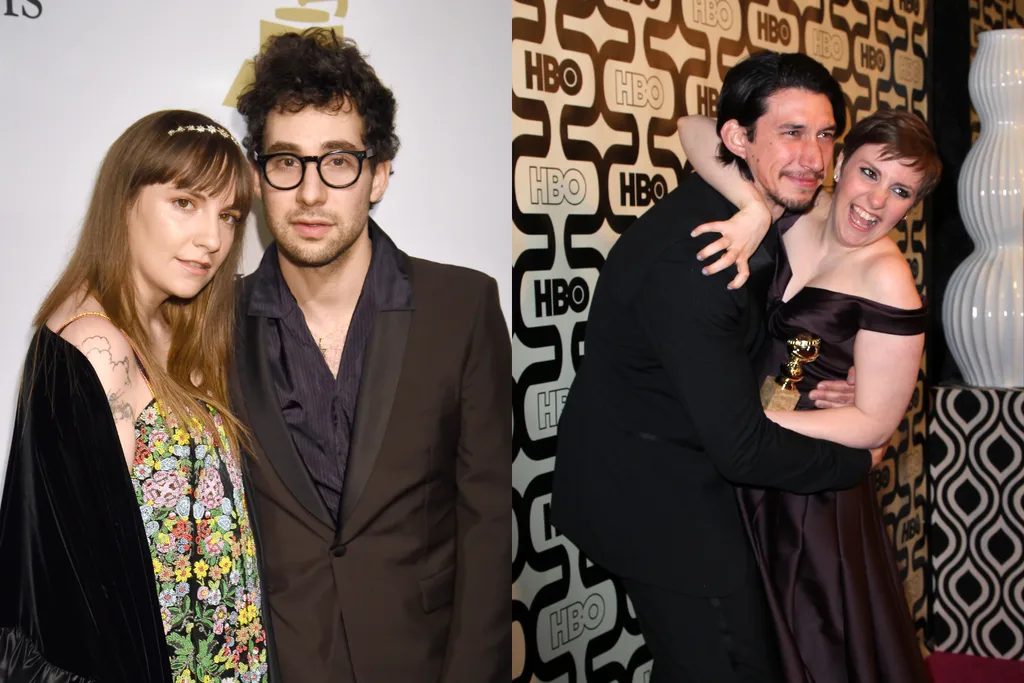
While she’s garnered critique for exposing the behaviour and her relationships with her co-star Adam Driver and her ex-partner Jack Antonoff, her memoir is also positioned as an attempt to repair or, at least, acknowledge her past wrongdoings.
On The Interview Podcast with The New York Times, Dunhum opens up about her dad’s response to her memoir’s release and how he wisely told her that “some people are going to really understand it, connect to it and feel it’s for them, and some people are going to say ‘why won’t she shut the f–k up already.'”
What Dunham and her father didn’t predict was a third option: that people would apologise.
Why are people apologising to Lena Dunham?
Speaking to WHO, Hronis explained how memoirs like Dunham’s that overshare and reveal hidden experiences of suffering “taps into this sort of feeling of redemption” that audiences can empathise with.
“People might be quicker to forgive a public figure or offer that redemption after they offer the sort of confessional narrative,” she explained.
“If a person can come forward and sort of say, I did something wrong, I suffered, I learned, and now I’m changing for the better. This humanises them, and it helps the audience or the general public feel a greater sense of empathy towards them.”
Hronis also added that “when public figures share these very personal things, we’re able to see inside of their internal moral compass and get a greater sense of what their values are,” making “it easier for us to offer that warmth and forgiveness to them.”
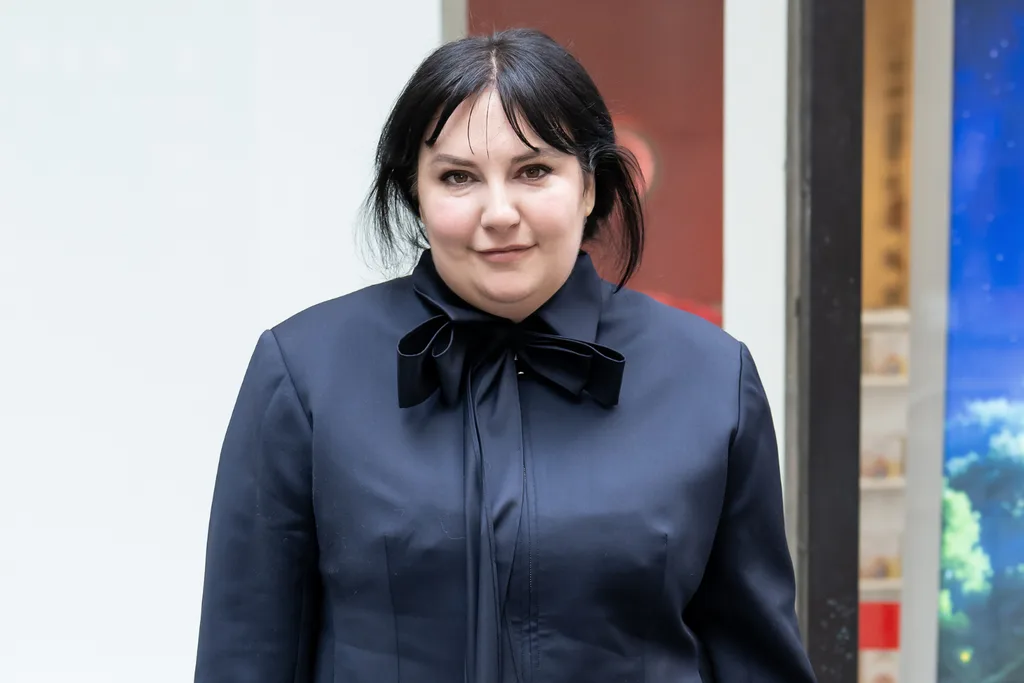
However, on top of previous online-haters now being able to empathise with Dunham’s experience, Hronis also noted that the extent of a celebrity’s vulnerability makes a big impact.
“It’s not just about the amount or the quantity of what they’re sharing, but the vulnerability and how personal those shares actually are,” Hronis said. “So I think fans are now expecting more in terms of transparency and access to people’s personal lives than perhaps they have prior to social media.”
The “redemption” threshold has shifted.
As pile-on and cancel culture has expanded in a highly digitised world, apologies aren’t enough.
Audiences need self-awareness, suffering, and confessional storytelling from their celebrities in order to humanise them.
While the mental health reality of this pile-on culture is more evident now than in the 2010s, what’s happening with Dunham also signals a broader cultural reset.
Women who were deemed messy, outspoken, or were simply overexposed are now being re-evaluated with more nuance.
What role do celebrity memoirs play?
Dunham isn’t alone in the world of celebrity memoirs shifting public opinion.
From Jennette McCurdy’s I’m Glad My Mom Died to Britney Spears’ The Woman in Me, celebrities, particularly women, who have been scarred by the world of fame, have stirred up conversations online through their brutally honest takes, and in turn reset their public image and shifted narratives from tabloid spectacle to systemic exploitation.
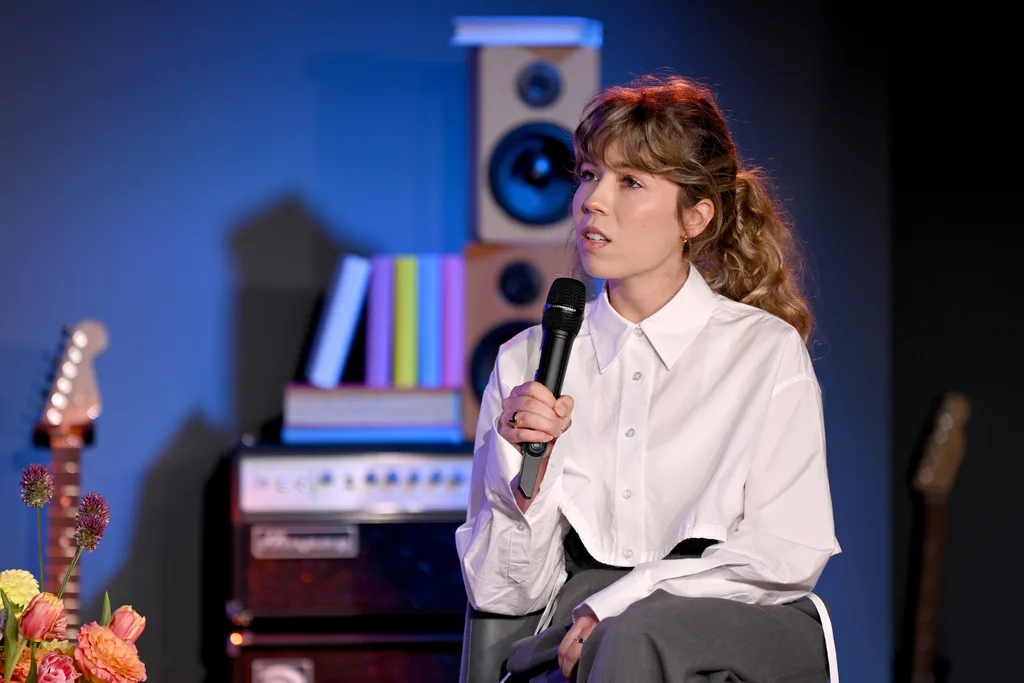
For Dunham, she opened up about writing Famesick, not as a form of “revenge writing” where she finally tells all, but instead for anyone who can resonate with it.
Ironically, Dunham has mentioned in an interview with Rachel Tashjian Wise from CNN that she won’t be reading the headlines; backlash, praise, apologies and all.
And maybe that’s the point.
Dunham doesn’t need our apologies, and she didn’t write Famesick to receive one.
Whether you think she’s the voice of her generation or a generation, Lena Dunham is simply reclaiming her voice.
You can pre-order Lena Dunham’s ‘Famesick’ below.

Related stories
Native ad body.
Native ad body.

Native ad body.