
You might not believe me when I say that reality TV has been around for almost 80 years. The first-ever reality show, Candid Camera, started on the radio before transitioning to television in 1948, with its premise all about playing practical jokes on unsuspecting members of the public.
It was like an early edition of Punk’d—minus the celebrities and Ashton Kutcher randomly jumping out of a hedge.
It wasn’t until the 90s that reality TV started gaining traction. The introduction of Survivor in the millennium and then Paris Hilton and Nicole Richie’s The Simple Life in 2003 really got people intrigued.
However, back then, watching reality TV was very much a guilty pleasure, with the entertainment industry openly scoffing at how cheap and tacky it deemed the genre.
Then, it all changed.
Slowly but surely, the popularity of shows started to be more than whispers between friends and the TV ratings spoke for themselves.
If we know anything for sure now, it’s that anything (or anyone) with an audience is valuable or, even, admirable.
Having finally been given a seat at the table, reality TV has now firmly established itself as the top of its game, and a powerful vehicle for those who use it wisely.
WHO wanted to explore why so many people love it so much, so we called in some experts for some insight.
Talent Manager and publicist Tim Wall, who has managed some of the biggest media personalities in Australia (including Abbie Chatfield and Luke Bateman, for example) told WHO there’s three clear reasons why reality TV has us in a chokehold.
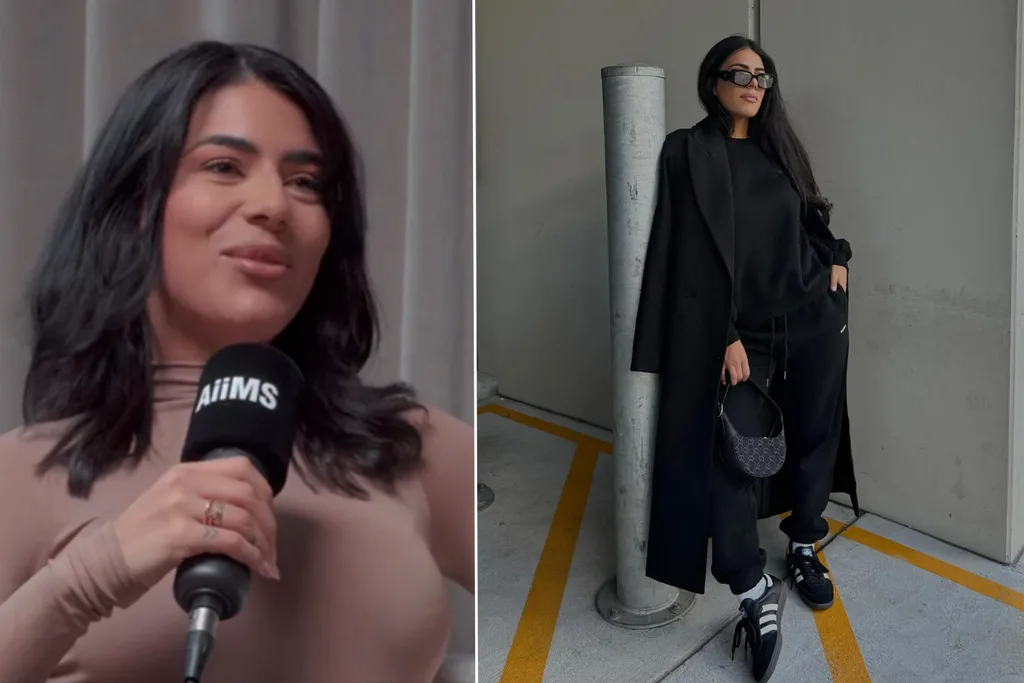
Carina Mirabile, former Married at First Sight contestant turned entrepreneur and podcaster, told us what it’s like from within.
‘We see ourselves’
Okay, this one is slightly confronting, but we all have something in common with the people on our screens.
Whether they’re in the Big Brother house dealing with conflict or on Farmer Wants A Wife dealing with relationship drama, reality TV lets us watch different personalities and behaviours that reflect our own (or those of the people in our lives).
“We can see ourselves in the character,” Wall explains. “We can see ex-boyfriends, ex-girlfriends. We can see roommates, people we’ve worked with in these kinds of personalities.
“The Block, you’ve kind of got to work with your partner. People can relate to that.”
The rise of social media has also given audiences a common space to come together and dissect what’s playing out in front of them.
Memeification of funny, dramatic and just downright absurd reality TV moments has immortalised the shows into pop culture, and even infiltrated our psyche.
Can anyone say “you’re fired” without thinking of one American man in particular?
Life is hard, escape it for a while
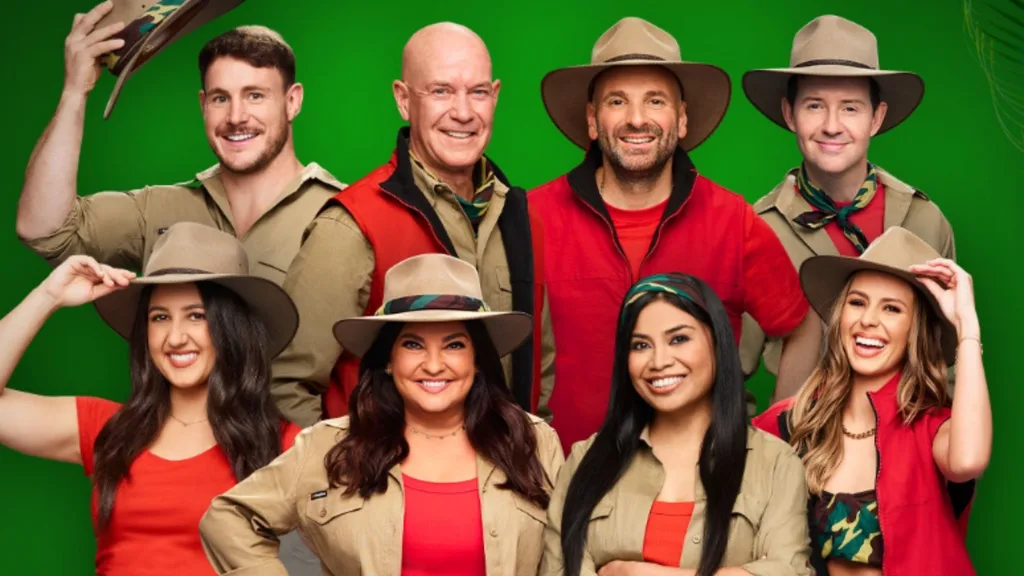
A glorious thing about reality TV is that it allows us to switch off from the scary world.
The shows are all so different, and many of us won’t ever find ourselves in the environments they’re filmed in.
Reality TV showcases everything from drag queens to celebrities eating bugs to strangers all living in a villa and asking each other, “D’you want to go for a chat?”.
We can watch it all play out from the comfort of our homes without worrying about our lives for a while.
“I think on the other end of the spectrum, and I think probably what I look for in reality TV is just, for me, it’s full escapism,” Wall says.
“If I look at the kind of shows that I watch, like Selling Sunset and Survivor, they’re probably two good examples because they’re two very extreme shows,” he continues. “I can’t relate to what it would be like to be hungry, living on a beach with people as a castaway. And then Selling Sunset is like the most incredible million-dollar houses. That’s part of it.”
Mirable seconds this sentiment, explaining that many shows are “light-hearted” and viewers can “just veg off and shut their minds” for some time.
“It’s an easy watch,” she tells WHO.
Kelly Clarkson, Cardi B, Harry Styles and the reality TV effect
Some of the most well-known and successful celebrities in the world became who they are because of their big break in reality TV.
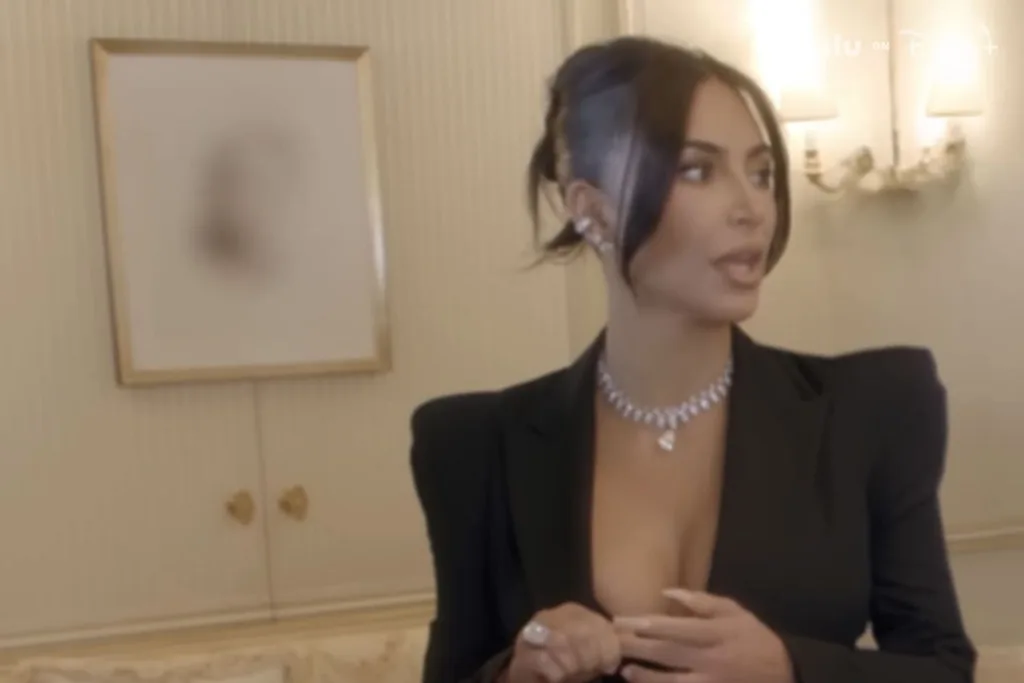
Of course, the most notable person to mention here is Kim Kardashian, but the entire Kardashian-Jenner family are multimillionaires (with immense followings and influence) thanks to their show Keeping Up with the Kardashians, which first aired in 2007.
The list of celebrities goes on: Jennifer Hudson, Kelly Clarkson, Cardi B, Harry Styles (and all of One Direction), Nicole Scherzinger, Lauren Conrad, Winnie Harlow.
Many MAFS stars and contestants from The Bachelor, The Bachelorette and Love Island have also gone on to become full-time content creators and business owners, creating lives for themselves that many at home would love to replicate.
“It’s a parasocial experience for them,” Mirable says. “They’re able to follow the reality stars’ journey after watching the show and see what they get up to.”
No longer a guilty pleasure
This was MAFS bride’s own experience, and she explained that going on the reality TV show helped open doors for her, calling it a “blessing”.
She also cited the Kardashians’ success as a major factor in reality TV’s rise in popularity.
“Everything they have built, they’re a major powerhouse,” Mirable said. “It would probably be the Kardashians who put reality TV on a pedestal. It significantly shows how successful reality TV can be just purely based on what they’ve gone through.”
Just look at the numbers: Kris Jenner and her six children boast a staggering combined audience of over 1.5 billion followers on Instagram alone.
So yeah, the success of reality TV stars has definitely contributed to the popularity of this type of genre.
Reality TV isn’t a guilty pleasure anymore; it’s a smart business move, and it’s not going anywhere.

Related stories
Native ad body.
Native ad body.



Native ad body.