Content warning: This article discusses alleged sexual assault in a way that may be distressing to some readers.
The BBC Panorama documentary The Dark Side of Married at First Sight has sparked controversy around the UK reality TV show this week, detailing allegations of sexual assault and misconduct. After three former female contestants came forward, with the accused men denying all claims, former Australian MAFS contestants have spoken about their own experiences on the show and what aspects of production desperately need to change.
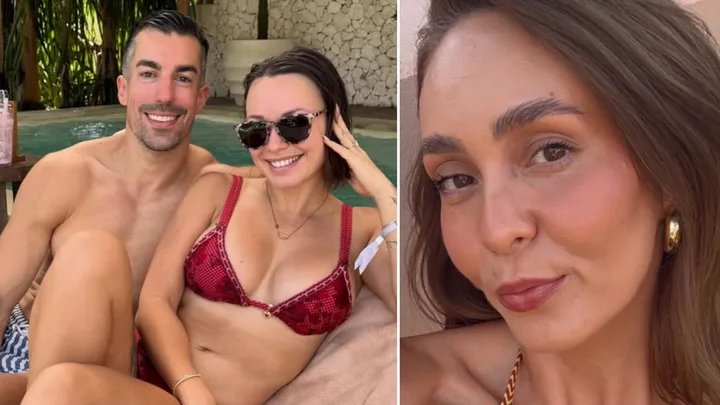
Bride Tahnee Cook, who appeared on the Australian version of Married At First Sight in 2023, and 2026 groom Filip Gregov told WHO about Intimacy Week and the usual expectations the show places on the contestants.
“After everything came out this week, I took a moment to reflect back on my time on the show and wanted to share that experience with maybe a different perspective,” Tahnee told WHO about why she chose to share her own experience online after the documentary.
“I also wanted to show support for my friend Shona, who was so brave to speak up and open the space for others to share their story too.”
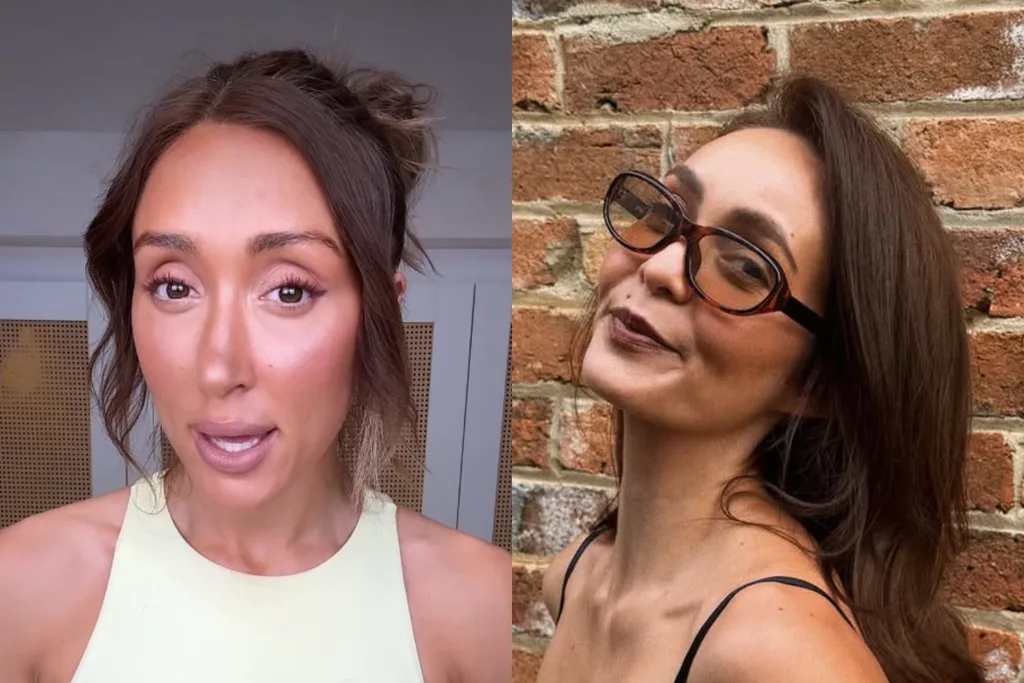
Intimacy week is ‘weird’ and ‘uncomfortable’, Tahnee claims
On Thursday, Tahnee released a statement on social media about her thoughts in response to the stories coming to light after the The Dark Side of Married at First Sight aired.
Speaking to WHO, Tahnee opened up about “the more challenging aspects of the experiment” that she struggled with, like the expectation to be public about her “intimate life” and how the show’s post-production support wasn’t enough.
“Overall, I think there’s definitely a layer of pressure to progress relationship milestones quickly, which I understand is the entire format of the show,” Tahnee told WHO.
“I think especially if you haven’t felt that instant connection with your match, you’re almost interrogated as to why… It’s a really challenging dynamic to navigate.”
This especially plays out during Intimacy Week, where Tahnee revealed that “the emphasis on intimacy so early in the experiment is still weird to [her].”
“At this stage (3 weeks in) of the experience, you’re still pretty fresh into the relationship dynamic, and some couples aren’t getting along well at all,” she told us. “To then throw uncomfortable intimacy tasks at them is really intense.”
“I remember a task we had to do, which, thankfully, never made it to air: a tantric sex workshop. I absolutely hated every minute of this. It was definitely something I typically wouldn’t do with a partner, and I guess I can see the reasons why they thought it could have been valuable.
“But I didn’t take much out of it other than being embarrassed. I had to lie down on the floor while my husband ran a feather across my body as the teachers and production watched.”
Tahnee also revealed how the “pressure to bring sex toys into the relationship dynamic that quickly” was difficult for her.
“Obviously I can understand this was a sponsorship integration but it was a lot,” she said. “I personally feel before you explore anything of that nature in your relationship, you should have already been at a point with your partner where you’ve really gotten to know each other, what you like and what you’re open to before that is brought into the equation.”
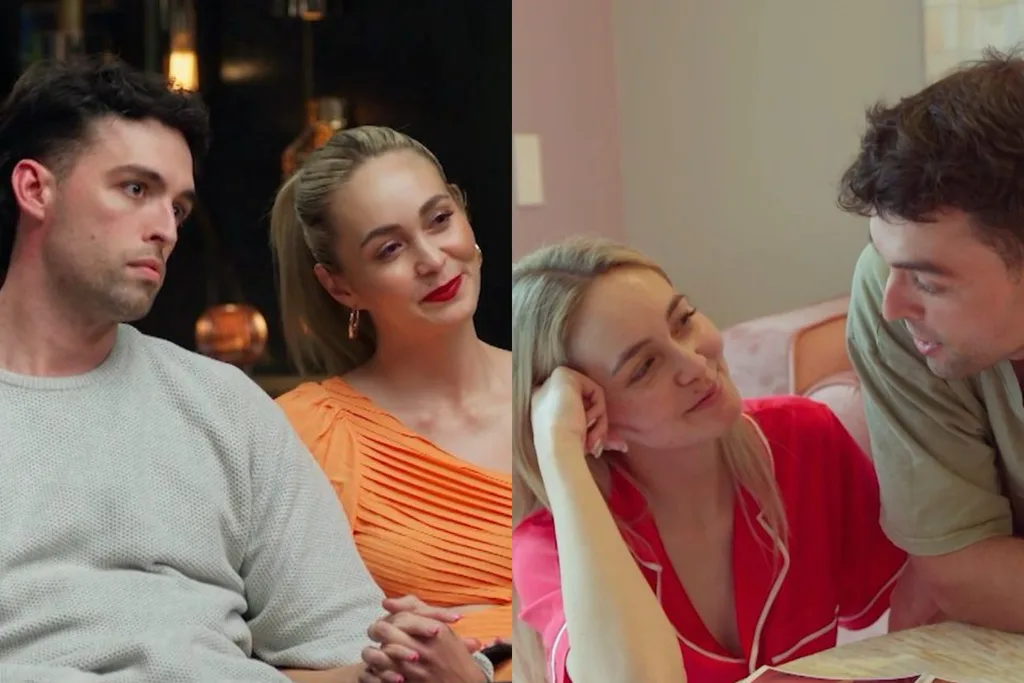
MAFS Australia groom Filip felt his season was ‘pretty sexualised’
Speaking to WHO, Filip Gregov from this year’s season of MAFS Australia admits that he had “a totally unique experience” on the experiment as he “was fortunate to have Stella” — with the pair now engaged and planning their real wedding.
However, he did acknowledge the dangers that can come from the Intimacy Week format when only one type of intimacy – that is, sexual intimacy – is promoted.
“I think when it’s done right, everyone loves intimacy, it’s one of those things we all crave if it’s from the right person,” Filip told WHO. “If we look at it in terms of relationships, does intimacy need to be there? Yes. It’s a key part of [relationships], so I think in some way they still need an intimacy week, but whether they should do it in the same format is the question.
“It was pretty sexualised this year.”
Filip tells WHO how he had a positive experience with production regarding the “intimacy” aspects of the show and found he “had a lot of growth happen” for himself throughout the experiment.
He also stressed that he always felt like he could “say no”, which he understands was a “unique” experience not everyone may have had throughout the reality series’ run.
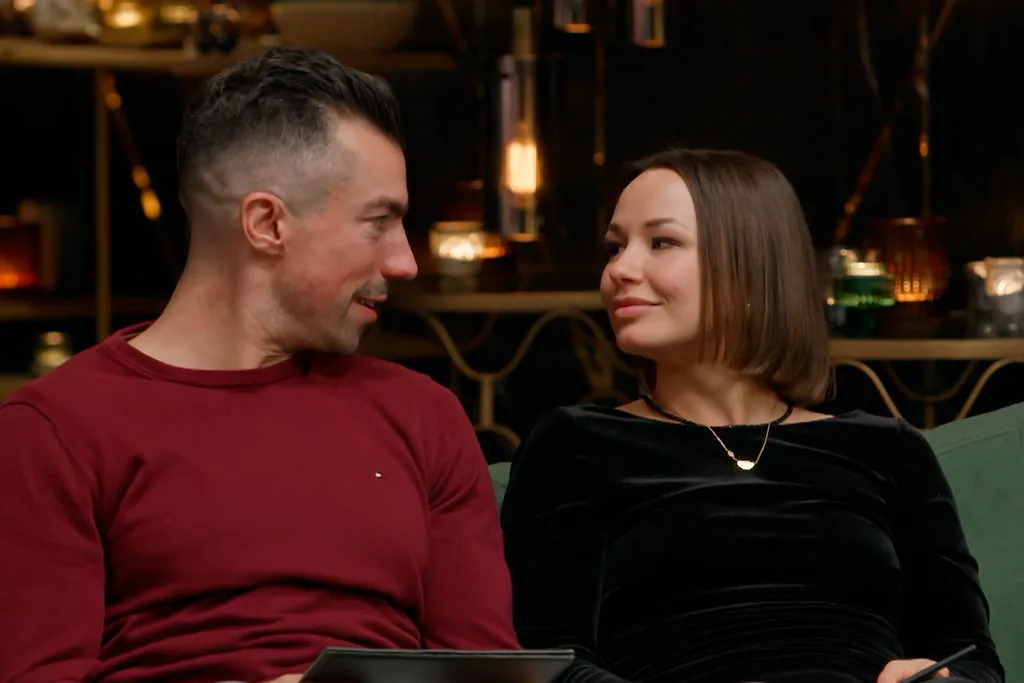
MAFS contestants claim the show’s post-production support falls short
In a statement provided to WHO by a spokesperson from Nine Entertainment, the claims of the past MAFS Australia contestants were addressed.
“Nine and Endemol Shine take their obligations in respect to the health, wellbeing and safety of the participants of MAFS Australia extremely seriously,” the spokesperson said.
“All participants have access to the show psychologist and welfare resources during filming, during broadcast and once the program has ended. Nine also provides an additional service for participants should they like or need further individual and confidential psychological support. This service gives participants access to clinicians to support those involved in the program in relation to their experiences. This service is available to all participants for as long as they need it, with no end date.”
Both Tahnee and Filip confirmed access to resources during and after the show aired, but revealed it still wasn’t enough for some.
In her Instagram post, Tahnee wrote that she had reached out to production with welfare concerns after her relationship ended (the pair split after 16 months together) and that she felt it “wasn’t handled very well or delicately”.
“You are given access to resources and support to reach out to if you need it, through the program psychologist, counselling services and also a security hotline if you’re feeling unsafe,” Tahnee tells WHO. “I do think this is adequate, but given the loss of trust some participants may have in the process, not everyone feels as confident in engaging with these services.
“Participants tend to feel more comfortable getting help from a practitioner or counsellor of their own choice, but unfortunately this is not covered under the same support offered. Like myself and other participants I know, we have paid for this out of pocket.”
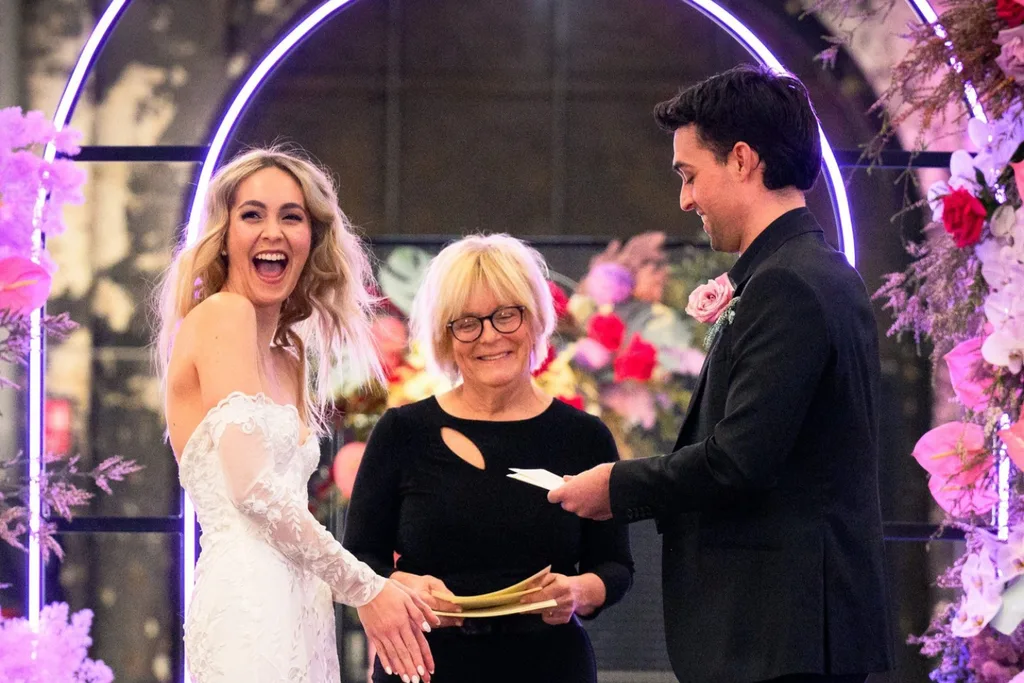
Filip echoed this sentiment, noting that pride can also get in the way of contestants seeking help.
“It was kind of fine for the most part, but I definitely think that some people needed a lot more support than others, and I’m not sure whether they reached out,” he said. “My ego in the past wouldn’t have allowed me to receive the help as I used to try and battle it on my own, so yeah, it’s a tricky one if there were participants who were trying not to overstep the mark.”
Despite Nine Entertainment providing the resources participants needed, the vulnerability associated with using services like this often meant the services provided may fall short of actually helping.
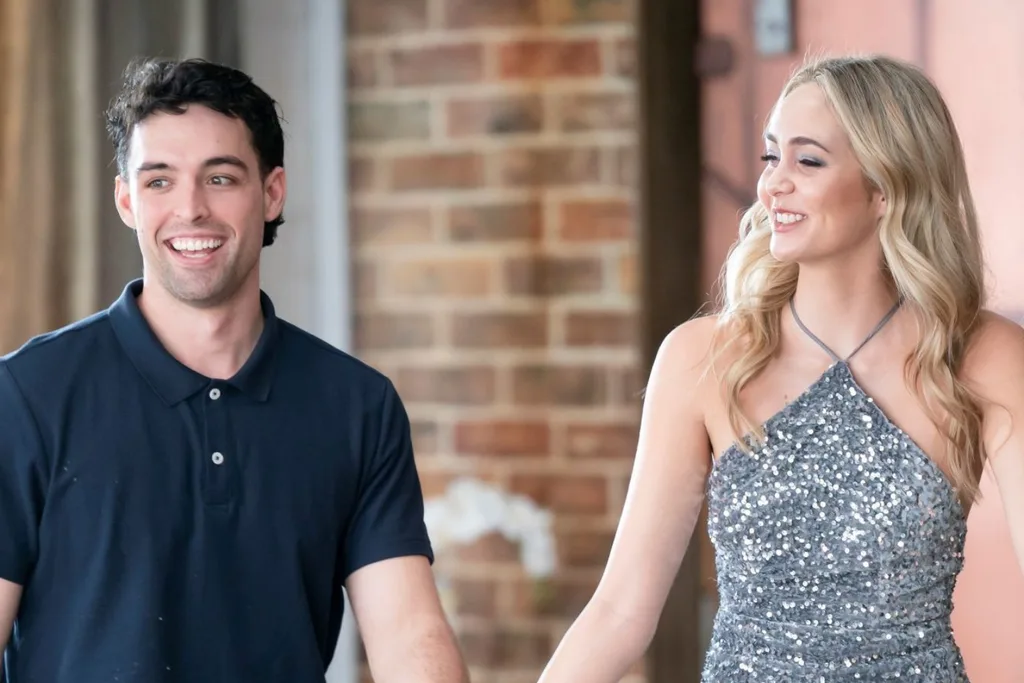
What does the future of MAFS Australia look like?
The controversy surrounding MAFS UK this week has been both a “triggering” and reflective time for past and future participants looking to find love on the show.
However, by sharing these honest stories, the future of the show and the safety of participants will hopefully be prioritised now more than ever.
“I do wish there were more conversations about some of the other realities of coming off a show like this,” Tahnee said.
“This is also one of the reasons why I’ve been more vocal online to share different perspectives on the experience so anyone thinking of doing the same thing can have more insight.
“My DMs have also always been open.”
1800RESPECT is available for free, 24 hours a day, 7 days a week to support people impacted by domestic, family or sexual violence.

Related stories
Native ad body.
Native ad body.
Native ad body.