

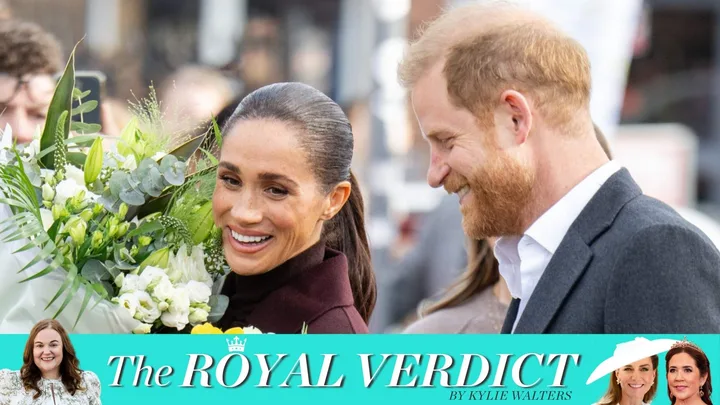
 Getty
Getty
Dressed head-to-toe in British designers as Meghan Markle accepted bouquet after bouquet from well-wishers, there was something eerily familiar about her return to Nottingham with Prince Harry on October 15.
The city was where, on December 1, 2017, the newly engaged couple were hailed as a breath of fresh air as they carried out their first official engagement together, just four days after announcing they were to marry. Almost nine years later, they were back where it all began.
“It’s great to be back,” the Duchess of Sussex told one member of the public as she shook hands, gave out hugs and posed for selfies.
Watching it all unfold, it would be easy to convince yourself nothing had changed. Almost…
Because while Harry and Meghan can still draw a crowd, interest a press pack and command a headline, nearly everything else has changed since their first visit.
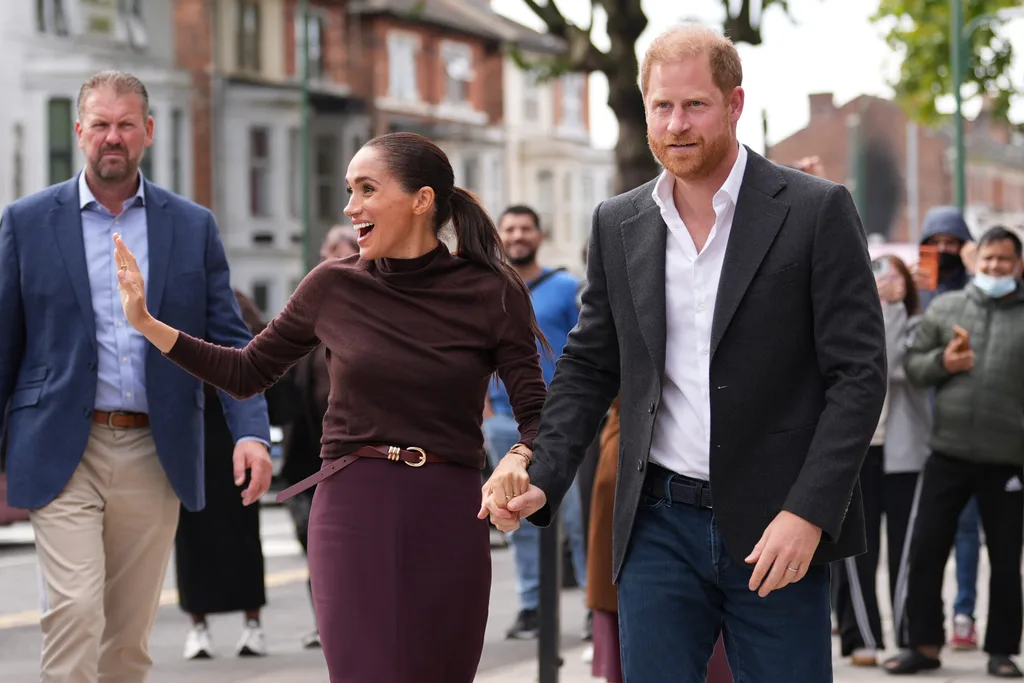
Back then, they were the royal family’s shiny new couple, heralded as modernisers who might inject fresh energy into a centuries-old institution.
Today, they are no longer working royals. The Royal Household has made clear they are “private citizens”, even as the Sussexes retain their titles, enormous public profiles and the fascination that inevitably comes with both.
That distinction matters, because while the days events in Nottingham looked remarkably like a royal engagement, it wasn’t one.
And perhaps that is what made the day so fascinating to watch.
Back to where it began
Over several hours, Harry and Meghan carried out a series of public engagements, starting with the Community Recording Studio where the parallels with their former lives were particularly striking.
They greeted the hundred-strong crowds outside before heading in to meet the people behind the organisation, spending time with children who benefit from programs at the facility and watching an acting workshop designed to develop confidence.
“It’s really important to be just as kind to yourself,” Meghan told a group of young girls.
The couple then made their way to Himmah Hub, central England’s biggest food bank, where they donned hats and aprons while taking part in a cooking class. At the food bank, the helped packed parcels of groceries.
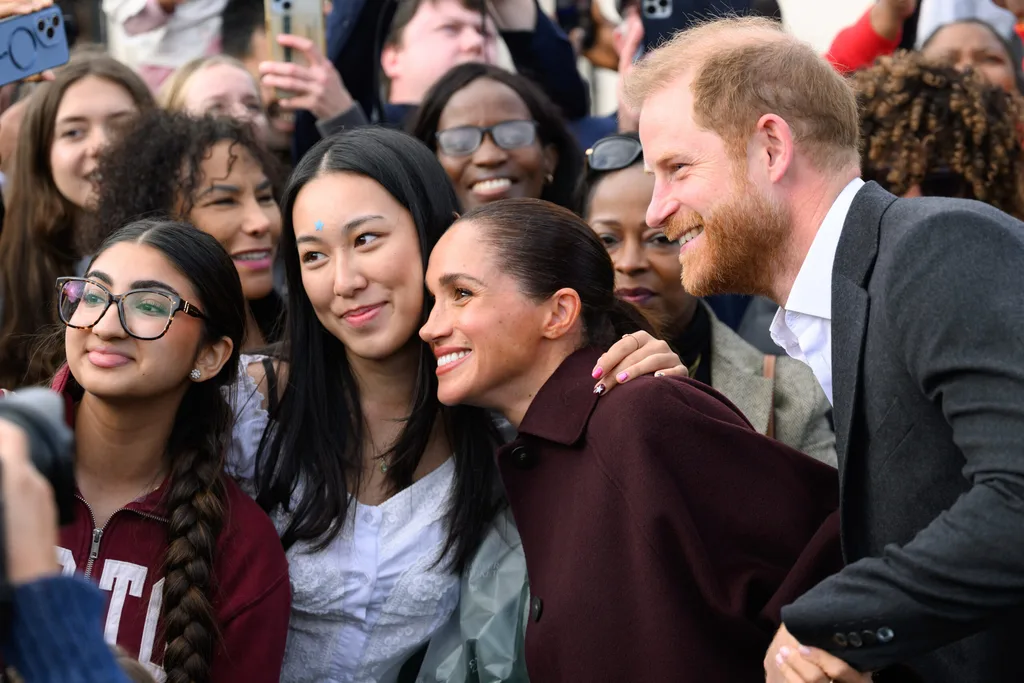
Finishing with a visit to Epic Partners, Harry and Meghan heard about how the charity supports children, young people and their families.
“They are back here primarily because they support and believe in the organisations they are visiting,” their spokesperson told the BBC.
It was a visit that looked polished, comfortable, and had all of the hallmarks of a schedule of royal engagements.
And while it will disappoint many who wanted the day to flop, it didn’t. But that doesn’t automatically make it a triumph either.
Because there is a particular kind of optimism that has followed Harry and Meghan through almost every reinvention: the belief that this will finally be the chapter where everything settles, softens and begins to make sense.
Nottingham offered perhaps the most compelling version of that yet. It was a chance to go back to the place where the public first embraced you and return to charitable work.
There’s just one problem. They can go back to the beginning, but they can’t arrive as if everything in between has never happened.
The years Harry and Meghan can’t erase
Harry and Meghan’s past isn’t simply something that happened to them. Their story is the one they have chosen to tell publicly.
Since stepping back as senior working royals in 2020, they have spoken extensively about their experiences inside the monarchy. Their grievances became interviews, television specials and Harry’s memoir.
Whatever your view of their complaints, those revelations changed the way the public saw the couple and the royal family itself.
They also changed Harry and Meghan’s relationship with the institution to which they were once seen as being so central to.
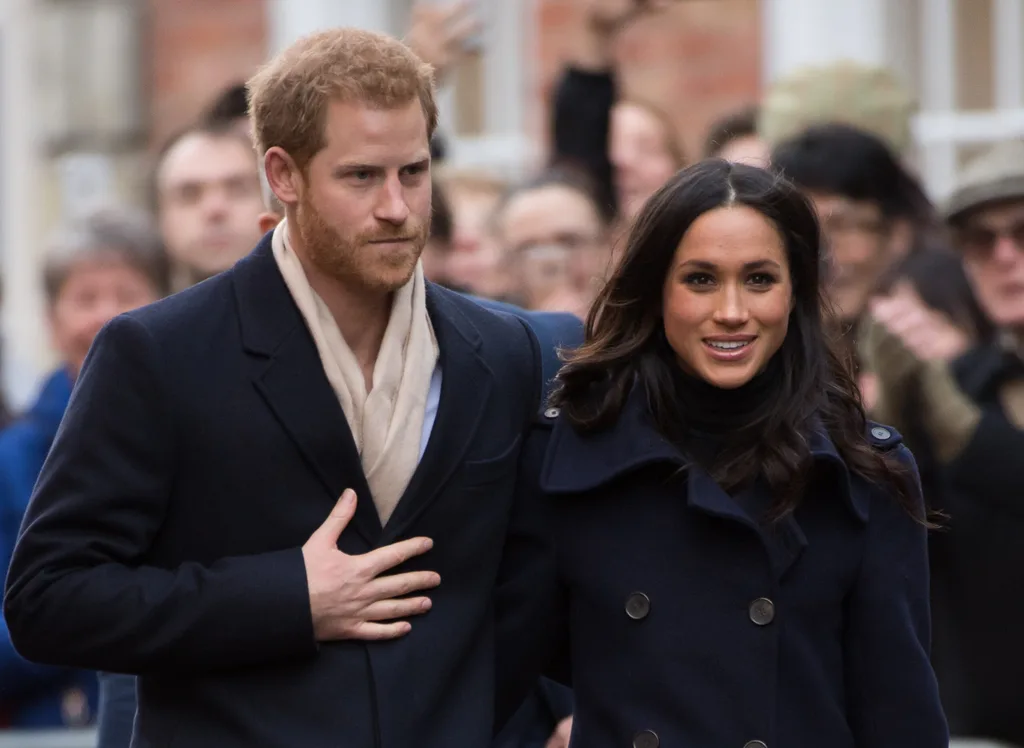
It also isn’t even the first time they have tried to change the narrative they once pushed, the years have become a tangled mess filled with confessions and contradictions.
“No I didn’t. The British press said that.” Harry said in an interview in a January 2023 interview with Tom Bradby backtracking on claims the royal family were racist.
Nor do Britons forget the time the Duchess mocked the Queen while performing a comical-style curtsy on Netflix, a moment Simon Vigar told me was her “biggest mistake” and the one she will likely never be forgiven for.
You cannot tell the world your story as loudly and repeatedly as Harry and Meghan have and then expect the audience to forget earlier chapters simply because you are ready to write another one.
The security contradiction
Nowhere is the complexity of this new chapter clearer than around security. Harry has spent years arguing that he did not feel able to bring his family safely back to Britain without what he considered adequate protection.
Yet, Prince Archie and Princess Lilibet now attend school in the Cotswold’s while Meghan is becoming increasingly visible in the country.
Before Nottingham, she had already been to tea at Claridge’s with Malala Yousafzai and had lunch in the heart of London with hairstylist George Northwood.
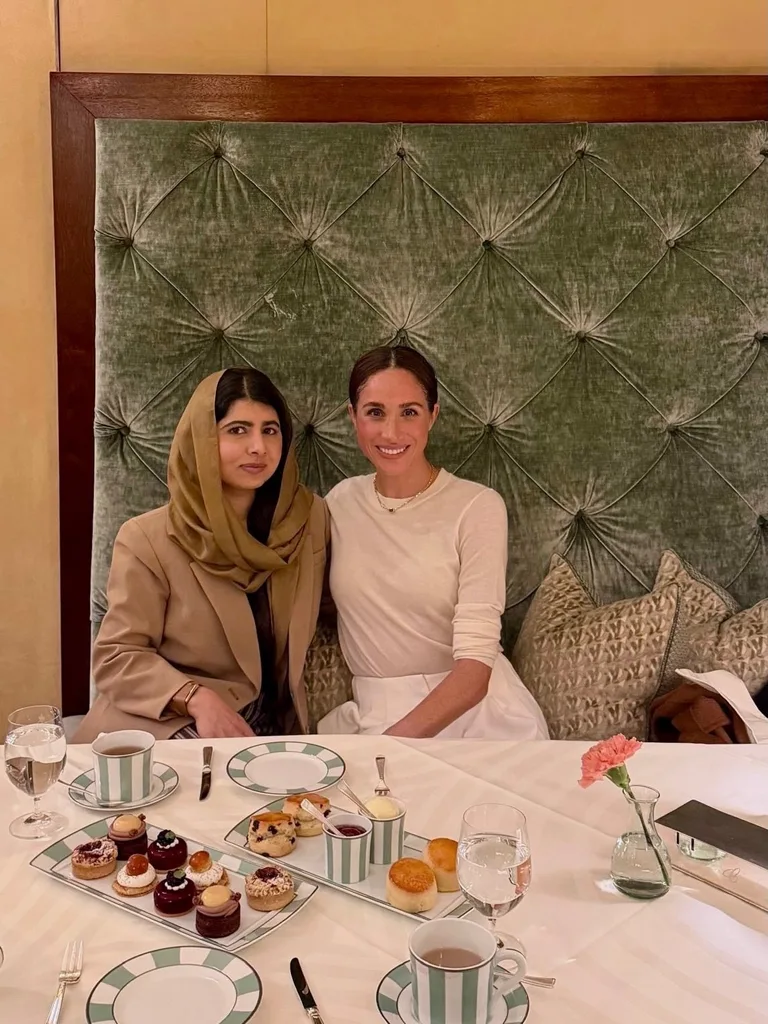
These all occurred sans police protection or without arriving behind a motorcade, just as the Nottingham visit itself unfolded.
That doesn’t prove Harry’s concerns were unfounded, nor does one trouble-free outing settle a serious and on-going debate about risk, but it does change the optics.
The more comfortably Harry and Meghan move through public life in Britain, the harder it becomes to reconcile those images with the impression Harry has previously been trying to create that returning with his family was simply too dangerous.
And optics matter when so much of your public story has been built around why you had to leave.
Royal in everything but name
Perhaps the most interesting part of Nottingham was just how closely the day resembled the life Harry and Meghan walked away from.
The engagements weren’t undertaken on behalf of the monarchy. In a letter sent out by the Lord Chamberlain, King Charles was quick to clarify that the couple should be viewed as “private citizens”.
Harry and Meghan, who bristled at the label, prefer to be called “public figures”, yet their visibility remains decidedly royal.
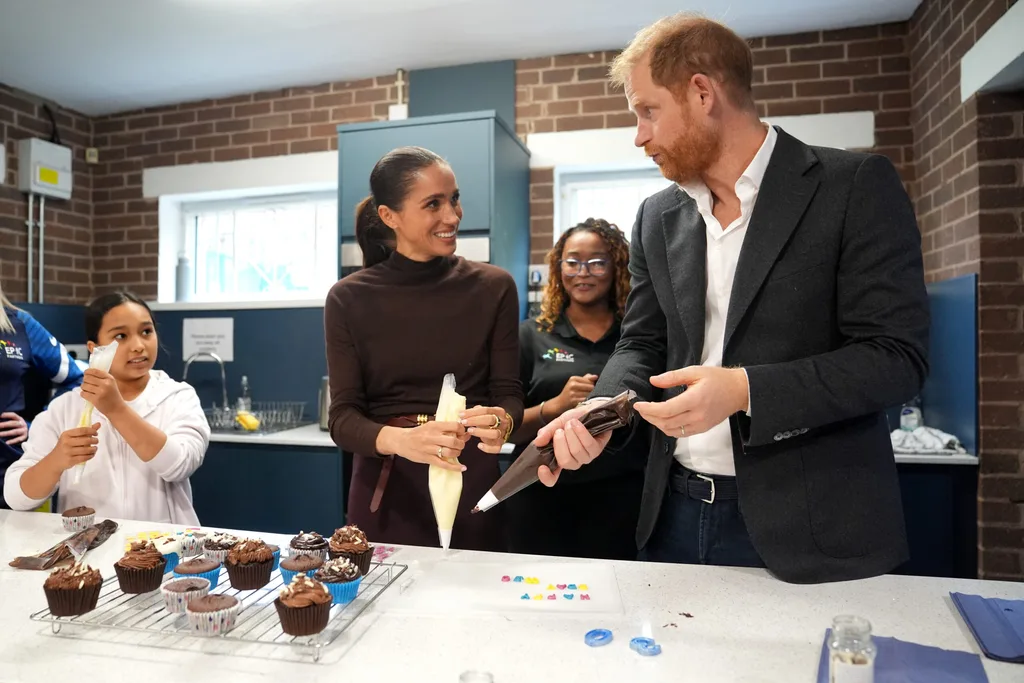
Their titles remain, as do the photographers that trail behind capturing them greeting crowds. The fascination remains.
That creates an unusual middle ground. Harry and Meghan are free from the obligations of working royal life while remaining beneficiaries of the enormous interest their connection to the monarchy generates.
It is the half in-half out model they were denied at the start: public service without palace control, causes without Court Circulars, visibility on their own terms.
But their history makes that model far more complicated now than it might have been in 2020.
There has been too much said, too much hurt and too much distance created along the way.
You can’t undo your own story
That is why I don’t think the real question after Nottingham is whether Harry and Meghan can still pull off a royal-style engagement. They clearly can.
Nor is it whether there are still people in Britain pleased to see them. Just as in Australia, where crowds gathered at each outing, they still have their fans who are waiting to give them a warm reception.
The more interesting question is whether they can build a convincing future in Britain without confronting the contradictions of their past.
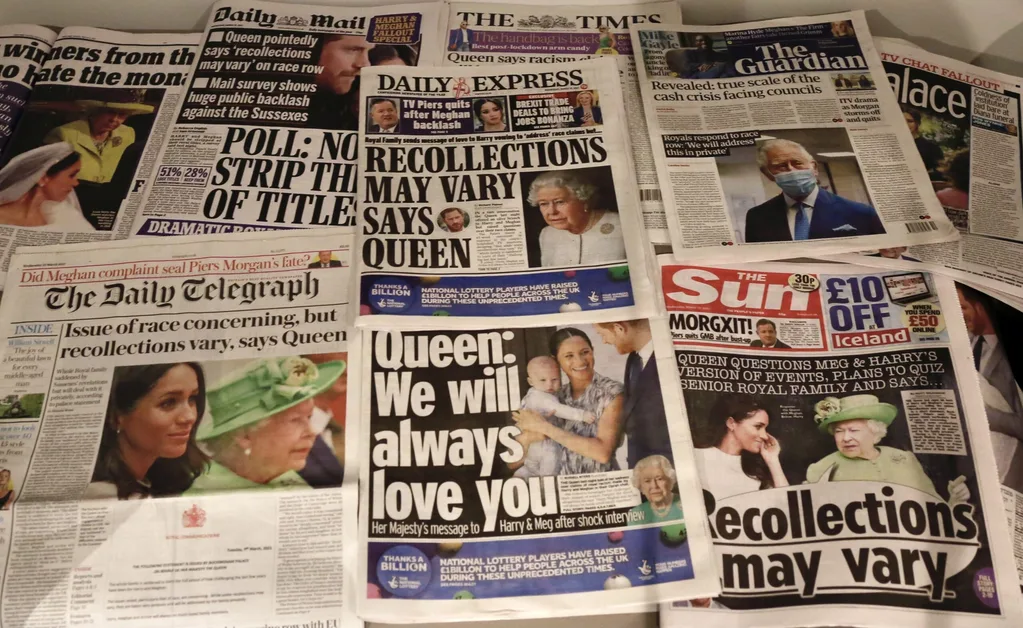
Because a return is not the same thing as a reconciliation, and a crowd is not the same thing as successfully pulling off a public rehabilitation.
Spending a few hours recreating the imagery of 2017 cannot recreate the innocence of that moment.
Because while Harry and Meghan looked remarkably like the couple Britain first met nearly nine years ago, they aren’t those people anymore.
Nor are the royal family, the British public or the circumstances around them the same.
Harry and Meghan can evolve. They can soften their approach and reconnect with the country and the causes they once championed.
But what they can’t do is pretend the intervening years didn’t happen. A fresh start isn’t the same as a clean slate.
Read more expert opinion and analysis in WHO’s The Royal Verdict with Kylie Walters here.

