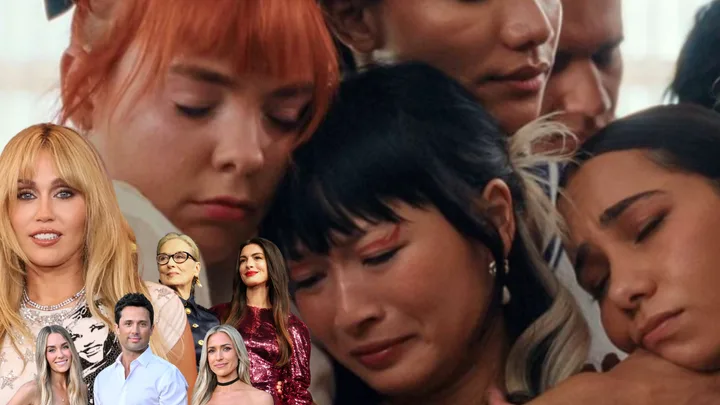
Nostalgia is having a come back and there’s a good reason why. Last week, Miley Cyrus broke the internet with Hannah Montana’s ‘Hannah-versary‘ — the 20th Anniversary special which premiered on March 24, and pulled in 6.3 million viewers on Disney+ and Hulu in the first 3 days, sparking a wave of emotions for fans and Miley herself.
At the premiere, Miley admitted that she never got to experience the joy of Hannah Montana until this special was created, and we honestly teared up at how refreshing it was to see a star unashamedly own her roots and be proud of the stories that have comforted fans for all these years.
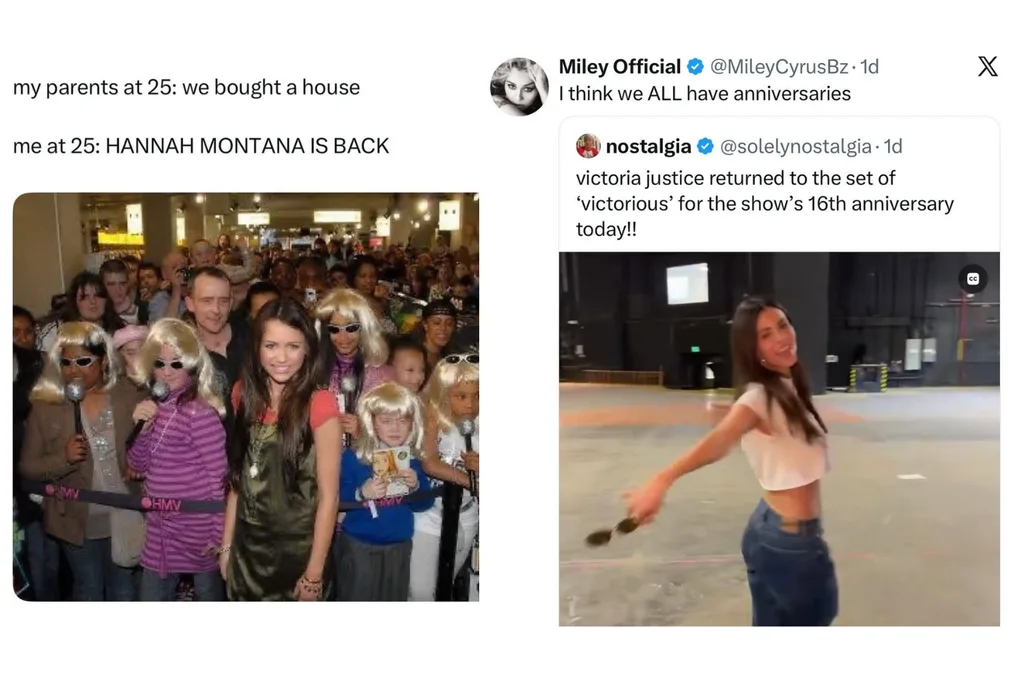
For many fans who cherished Hannah Montana in their tweens and adolescence (and still do today), Hannah Montana’s resurgence was joked about online as decidedly more of a priority (and possibility) than a mortgage right now.
While the memes flooded in about this comparison, the honest but very real jest touched on the essence of why nostalgia has taken over our feeds and pop culture as of late.
This nostalgia isn’t just about entertainment, it’s charged with emotion as it attaches people to a community and identity.
Right now, people need the comfort of community. We need something familiar in an increasingly scary world.
WHO spoke with Milly Rose Bannister, founder & CEO of the youth-led Australian mental health charity ALLKND, about what’s driving this spike in nostalgic content.
She explained how “nostalgia shows up in moments where things feel uncertain or overwhelming or stretched.”
The thought of trying to afford groceries, let alone a mortgage, in this cost of living crisis… in this war?
You’d struggle to find a person who isn’t overwhelmed at the moment.
This isn’t just a trend. It’s a cultural shift, and it’s one people, particularly younger generations, have always sought out. There’s comfort in having a shared language, and now more than ever, people need comforting.
The only difference now is that the entertainment world is finally catching up.
The rise of reboots, rewatches, and reunions have proven just how powerful looking back can be.
How is nostalgia showing up in the entertainment world?
The entertainment world seems to be flooded with reboots, sequels, and reunions at the moment.
As Disney announced the 2026 Disney Legends Award Honourees on March 26, fans took a trip down memory lane as the stars, storytellers, and leaders behind Disney’s enduring legacy were finally given their flowers (minus Hilary Duff but that’s for another time).
From the Jonas Brothers – who have never been ashamed of a reunion (did someone say Camp Rock 3?!) – to Anne Hathaway, Lin Manual Miranda and Dwayne Johnson, the performers that fans have always loved and recognised are getting the industry recognition they deserve now, too.
Miley Cyrus not only reunited with the cast, crew, and world of Hannah Montana, but also former Disney star Selena Gomez, sending fans into orbit (because if there’s one thing we love, it’s a crossover episode).
Next week, The Reunion: Laguna Beach is coming out on April 10, with the OG cast of MTV’s Laguna Beach: The Real Orange County set to reunite and take a walk down memory lane, reflecting on the show that changed their lives as much as it changed the lives of fans.
Even the Powerpuff Girls reunited with Professor Utonium this week!
While the Devil Wears Prada 2 hype and the newly announced 13 Going on 30 reboot demonstrates the appetite fans have to re-enter the world of Y2K classics with a new storyline at play, The Super Mario Galaxy Movie press tour is a prime example of the multi-generational communities that nostalgia can form as the now-retro games people grew up on are coming to life in a new way.
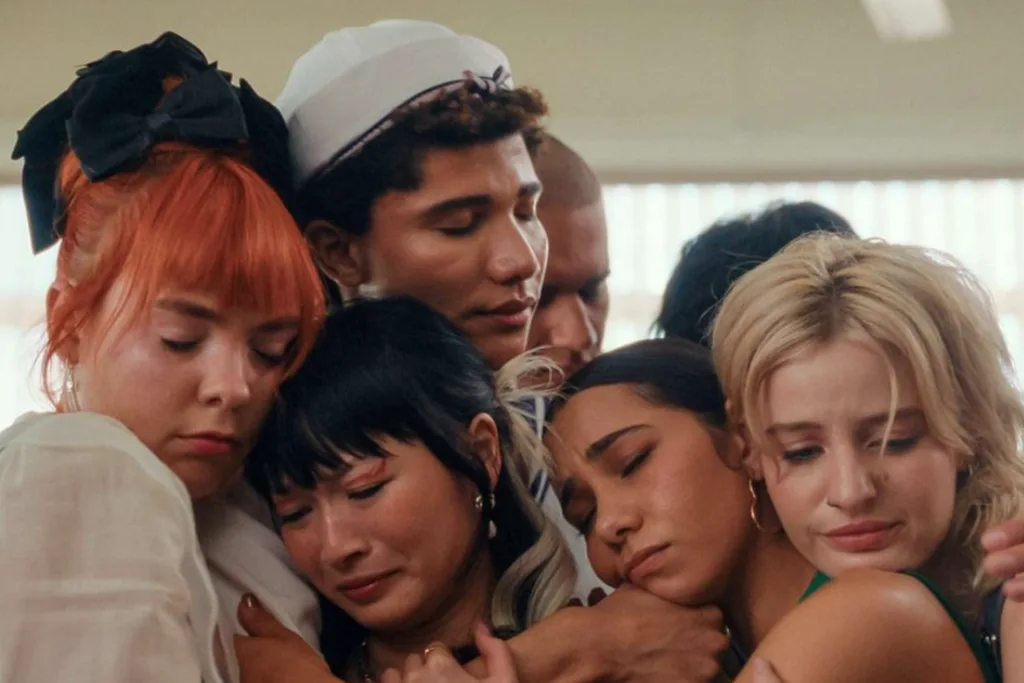
The beloved Heartbreak High reboot had it’s final chapter last week, making fans wish a tearful goodbye to both the high school and the characters we came to know and love, with conversations around what should and shouldn’t be rebooted continuing to circulate online.
From mourning the almost Buffy The Vampire Slayer reboot from Sarah Michelle Geller and Hamnet director Chloé Zhao (yeah I’m still not over it) to questioning (but probably still checking out) the new Harry Potter TV series as first looks were revealed last week, all these headlines prove is just how much nostalgia is intertwined into the stories we reach for and desire today… as well as what stories are for us and what are for new generations entirely.
Nostalgia existed long before reunions and reboots
However, nostalgia doesn’t just exist in the world of entertainment. It’s embedded into how we, particularly younger generations, communicate and interact.
Bannister described how often this shared language and culture shows up in their work in youth mental health and advocacy.
“I think particularly at this time in our lives and in history, there’s a lot going on,” she said. “We see this at ALLKND as well in our work.”
“A lot of people referencing old memes or songs or early internet culture because we’re feeling overwhelmed and it’s almost like a shared language for things that felt simpler then, even if that is not entirely true.”
There’s a comfort in acknowledging where you came from and to have a time capsule for the stories, videos, and pop culture moments that shaped you.
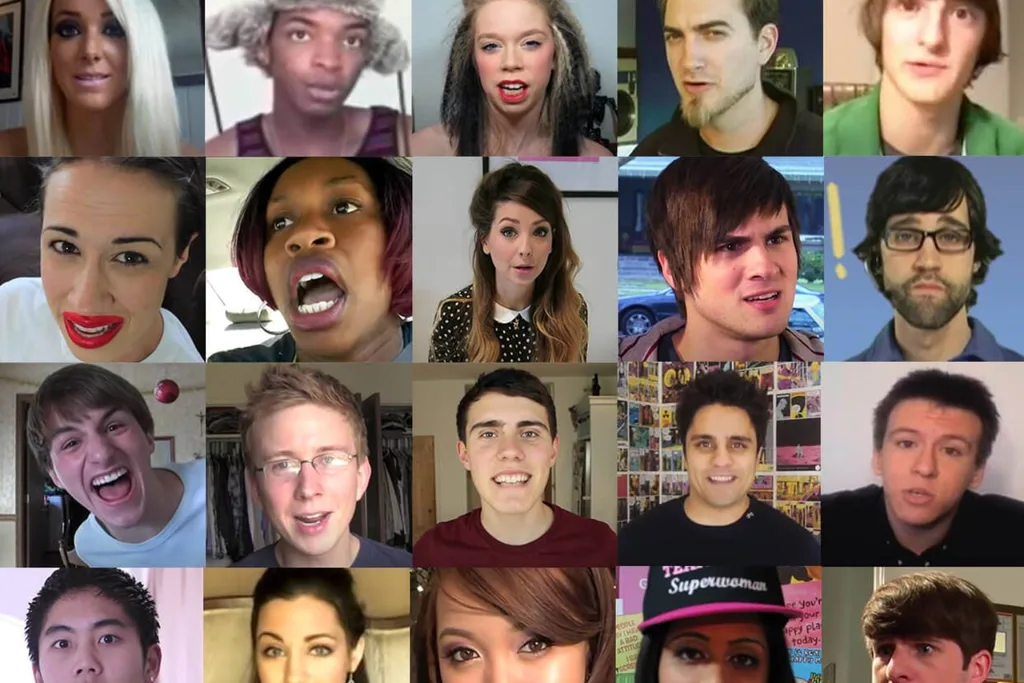
People are returning to patterns and behaviour that make us feel safe, whether it’s the 10th rewatch of the TV show we can quote in full or the Youtuber we used to watch in high school.
Bannister explains how “it’s not about the content being better. It’s kind of the feeling of knowing exactly how it will land. No surprises, no effort.
“We see this in our work too, people returning to familiar routines or content when they’re overwhelmed,” Bannister explained. “It just brings things back to a level that feels really manageable.
“It doesn’t solve the underlying issue of course, but it can take the edge off enough for someone to kind of catch their breath.”
Why do we crave nostalgia?
In a time of unpredictability and instability, people crave nostalgic content as a source of comfort and to remain tethered to a cultural identity and community.
Bannister dove into how nostalgic content is regulating people’s emotions through its predictability.
“It feels like a bit of a reset because when our nervous systems feels a bit overloaded, new input and information can feel like too much, but nostalgic content asks less of us,” she explained. “There’s dopamine in looking forward to rewatching something that made you feel good.”
“We have a lot of pressures facing young people simultaneously. Cost of living, climate anxiety, the constant new cycles, and our online worlds. It’s all coming for us at once, but nostalgic content removes the unknown and it often removes the internet as well.”
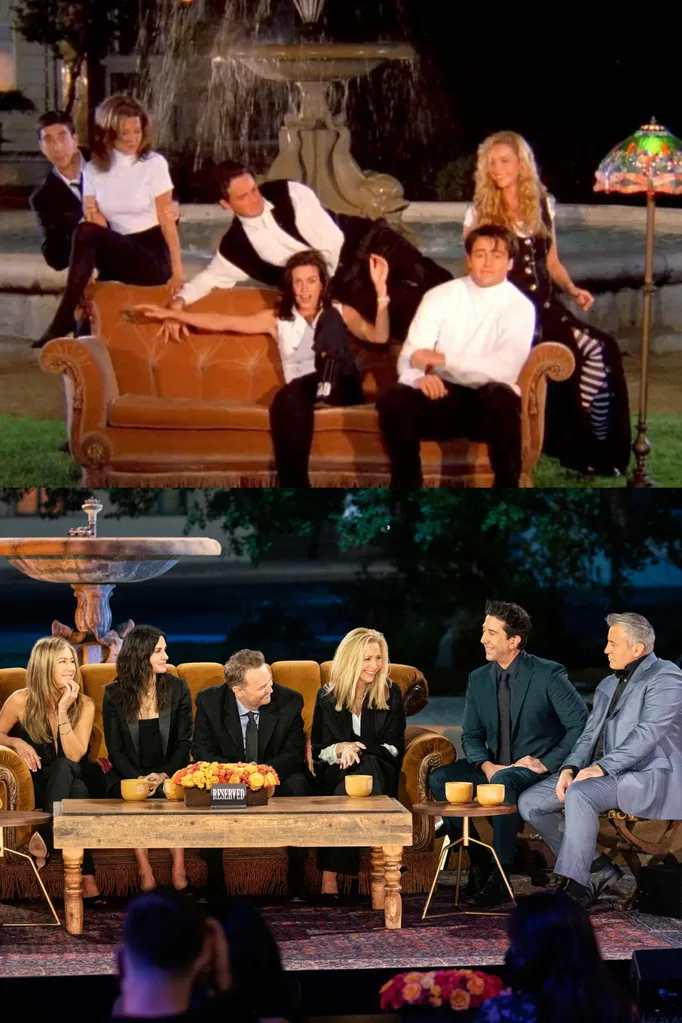
Nostalgic content also connects people to a shared cultural identity and community, giving people “a reference point for who we’ve been.”
“The thing about nostalgia is that it’s not just personal, it’s shared,” Bannister said. “For Gen Z particularly, a lot of our identity is shaped through culture, through social media, language, music trends, even specific eras of the internet as we’ve grown up.”
“So referencing nostalgic content can be our way of saying, ‘I was there too. That’s part of my story.’ And it creates connection without needing to explain everything from scratch.”
“We have common ground and that matters for our mental health because it feels like we belong somewhere even in a small way, and that is protective for us. And so when the future feels really unclear, looking back can help us feel like we’re part of something continuous. We’re not just drifting in out of space where everything feels kind of untethered.”
Our craving for nostalgic content at the moment isn’t just about the content itself, it’s about finding a way to plant both feet on the ground. While Bannister advised that this type of content is only “one coping mechanism” that people can reach for, she warned that romanticising nostalgia and the past too much can lead to you feeling stuck.
“The goal isn’t to stay there,” Bannister said. “It’s to use it to feel a bit better, feel a little bit stronger, to bridge yourself back into the present, to small things even like going for a walk or texting a friend or doing something that brings you back into your current life again, without it feeling too overwhelming.”

Related stories
Native ad body.
Native ad body.
Native ad body.