If you’ve spent more than five minutes on TikTok lately, you’ve probably stumbled across a woman in a prairie dress, pulling sourdough from an Aga oven while her many children frolic in the soft morning light. She has flawless skin and a soft-spoken yet assured voice as she takes her followers through her daily rituals of preparing food from scratch and leaning into a life “unplugged” (except, you know, for the camera filming her every move).
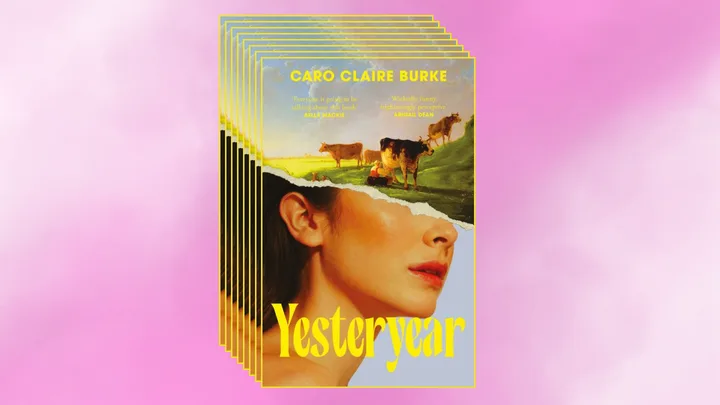
She is, of course, a tradwife – both a trending and highly divisive topic, and one that is about to be brought to life in a book-to-screen adaptation thanks to Yesteryear – Caro Claire Burke’s utterly addictive debut novel.
But is Burke’s portrayal of a tradwife a fair one? Grab your raw milk and read on.
What actually is a tradwife?
The term “tradwife” is short for traditional wife and refers to women who embrace a domestic lifestyle built around cooking, homemaking, child-rearing, and supporting a male breadwinner. In its most benign framing, the phrase refers to women who embrace a “traditional” division of labour at home, often presented in a retro aesthetic that suggests this mindset can serve as a portal to “simpler” times, before gender politics muddied the waters of what roles within a family should look like.
The content is warm, feminine, and deeply aestheticised, making it a hot commodity on social media platforms like TikTok and Instagram.
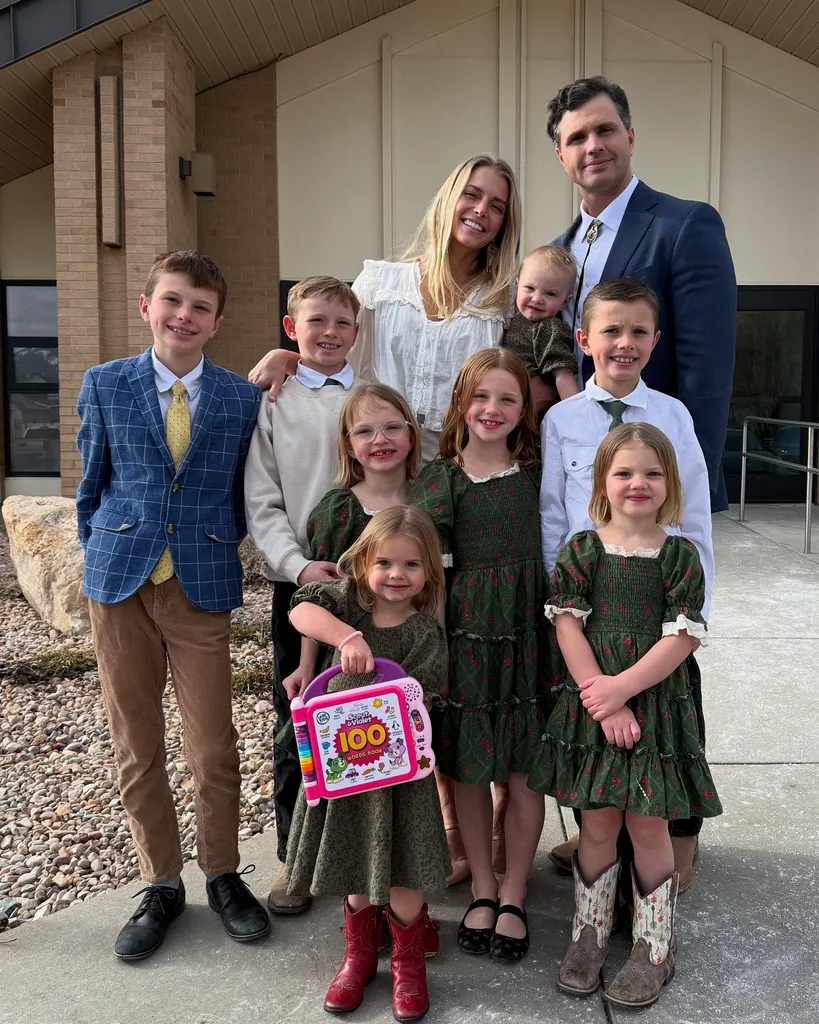
Take, for example, Hannah Neeleman, better known as @BallerinaFarm. Neeleman is one of the most prominent tradwife creators, amassing nearly 10 million TikTok followers in 2025.
A former Juilliard-trained ballet dancer turned Utah cattle farmer and mother of nine, she’s been dubbed “the queen of the tradwives”.
However, for every devoted follower who hangs onto her every recipe for homemade sheep’s milk feta, there are millions of others who have lambasted the trend for appearing to strip away women’s independence, autonomy and identity.
Hear more on this topic on The WHO Group Chat vodcast, here.
How did this become so popular?
One of the most popular theories as to why the tradwife trend has become popular is that something about modern life isn’t working for a lot of people. For many women who increasingly report persistent feelings of sadness or disillusionment with the “girlboss” lifestyle, these influencers offer an idyllic, if sometimes unattainable, alternative to urban life.
Then there are the realities – that the cost of living and lack of discernible or affordable childcare often leave women little to no choice but to give up their professional roles in order to look after their kids (and, sometimes, their ageing parents, too).
What tends to frustrate critics of the tradwife movement is the huge amount of irony, if not hypocrisy, baked into the whole genre. Despite romanticising a “stay-at-home” lifestyle, many of these women are the very embodiment of a “girlboss” – running profitable side hustles and selling homestead goods, organic skincare, and subscription services.
Ballerina Farm, for instance, is a fully functioning commercial operation, with three full-time workers assisting in day-to-day operations and thirty employed at a warehouse. A visit to the official website offers patrons a variety of goods, from protein powders, flour, sourdough starter kits, seasonings and even aprons and tote bags. The brand reportedly pulled in $70million in e-commerce sales in 2023 – roughly 700 times the median salary of a woman employed full-time in Australia.
It’s this hypocrisy, in part, that is explored in Caro Claire Burke’s Yesteryear (which might be why the tradwives are so mad about it).
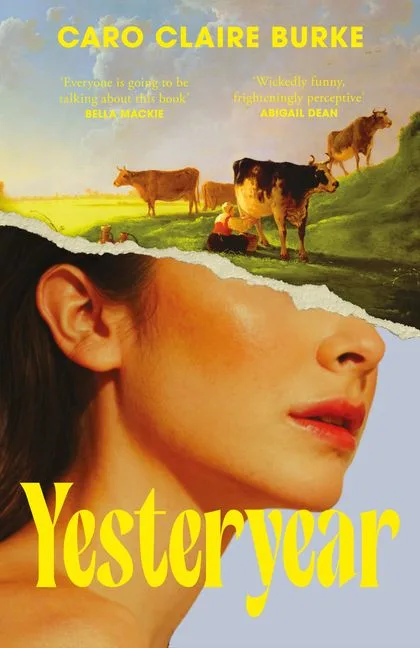
Yesteryear by Caro Claire Burke
from $22.99 at Amazon
Caro Claire Burke’s Yesteryear enters the chat
In Yesteryear, Burke’s debut novel, the tradwife fantasy is given an incisive twist. The book’s protagonist, Natalie Heller Mills, is a tradwife influencer with 8 million followers. She drinks raw milk, eats farm-fresh eggs, and considers herself “perfect at being alive.”
Sure, she cops plenty of hate from what she has dubbed “the angry women”, and she’s also not entirely transparent about the fact that a team of two nannies mostly looks after her five (soon to be six) children, or about the truth of her marriage to her “perfect” cowboy husband, but it’s all just part of the performance that has made her rich and famous, and her detractors jealous.
However, when she wakes up in the 1800’s – the very era she has been fetishising – without the creature comforts of the life she has carefully curated, she is terrified and desperate to escape.
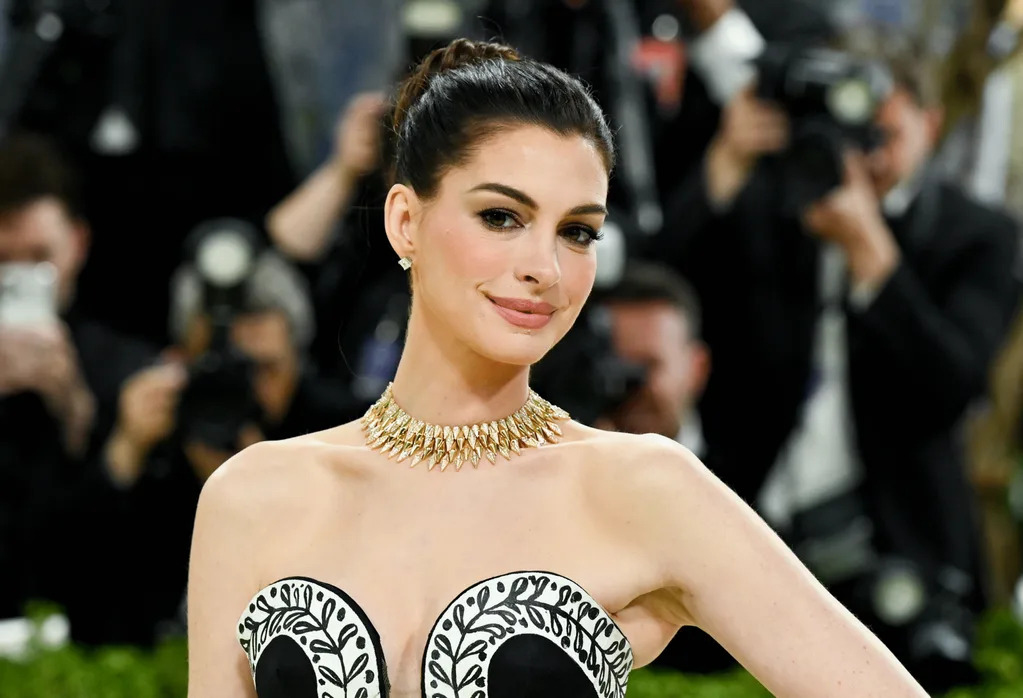
The book has attracted serious Hollywood interest, with Anne Hathaway attached to star and produce in the film adaptation, and, given the current climate around gender politics, the timing feels both combustible and calculated.
How real tradwives have responded to Yesteryear
Real-life tradwife influencers have argued the book fundamentally misunderstands them – particularly as Burke neglected to actually speak to anyone actually within the movement, instead drawing her inspiration from social media.
Burke, for her part, is unapologetic, penning an essay for The Guardian in which she traced the term “tradwife” from its origins in online incel spaces to the mainstream influencer culture.
“She is an advertisement, a curated performance of womanhood with a link in bio for purchases, who has shown up, like a 1950s advertisement, to remind women of their true purpose: serve, smile, procreate and purchase,” Burke writes.
There’s another tension at play, too: the version of domesticity being sold is simply out of reach for most women, no matter how strong the pull toward a “simpler” life.
At a time when many are struggling to afford nutritious food – let alone the time and resources to make everything from scratch – the tradwife aesthetic can feel less like an invitation and more like a provocation. Instead of offering solace, it risks becoming just another glossy ideal in a long line of impossible standards, quietly suggesting that however a woman is living, she’s somehow getting it wrong.

Related stories
Native ad body.

Native ad body.
Native ad body.