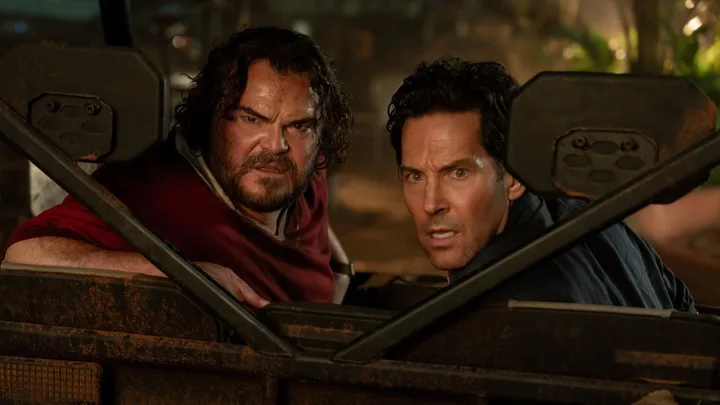
The long-awaited return of Anaconda has sparked plenty of conversation and surprisingly, it’s not about the size of the snake or the on-screen peril.
Instead, early reactions are overwhelmingly focused on the film’s self-aware approach, with critics and audiences agreeing that this isn’t a traditional horror revival.
Rather than leaning into fear, the reboot embraces comedy, nostalgia and a knowing wink at Hollywood’s remake machine, and that choice has become the defining feature of the film.
What makes this Anaconda different?
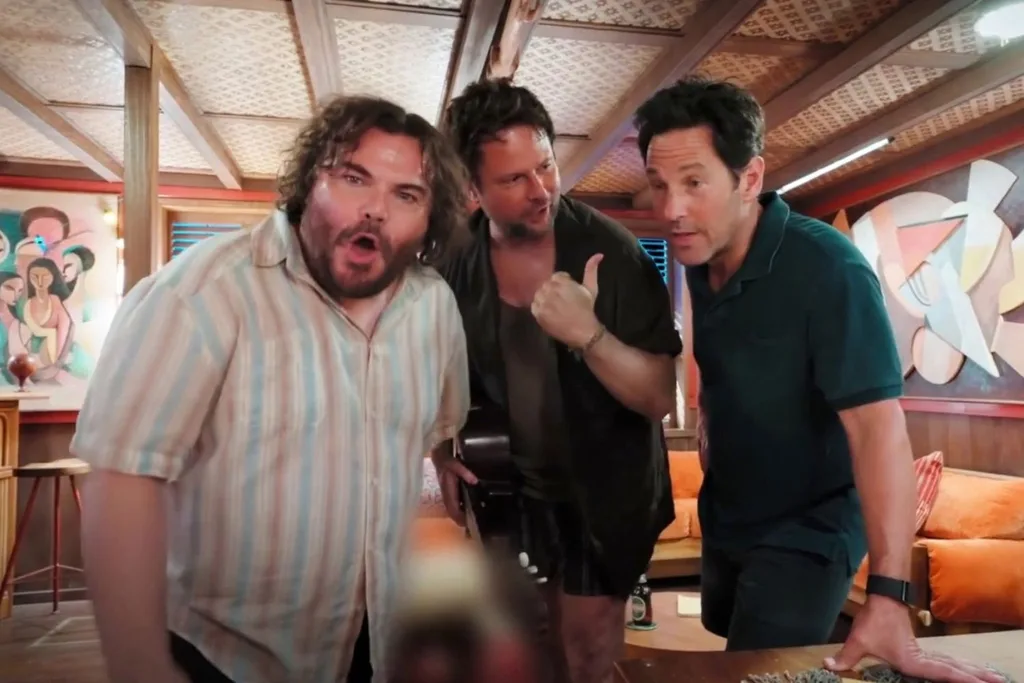
Rather than functioning as a straightforward remake of the 1997 cult classic, the movie positions itself as a knowing, tongue-in-cheek commentary on Hollywood’s obsession with reboots.
This time around, Anaconda is fully aware of its own legacy and leans into it, constantly acknowledging the absurdity of revisiting a giant-snake movie decades later.
Who is in the cast of Anaconda?
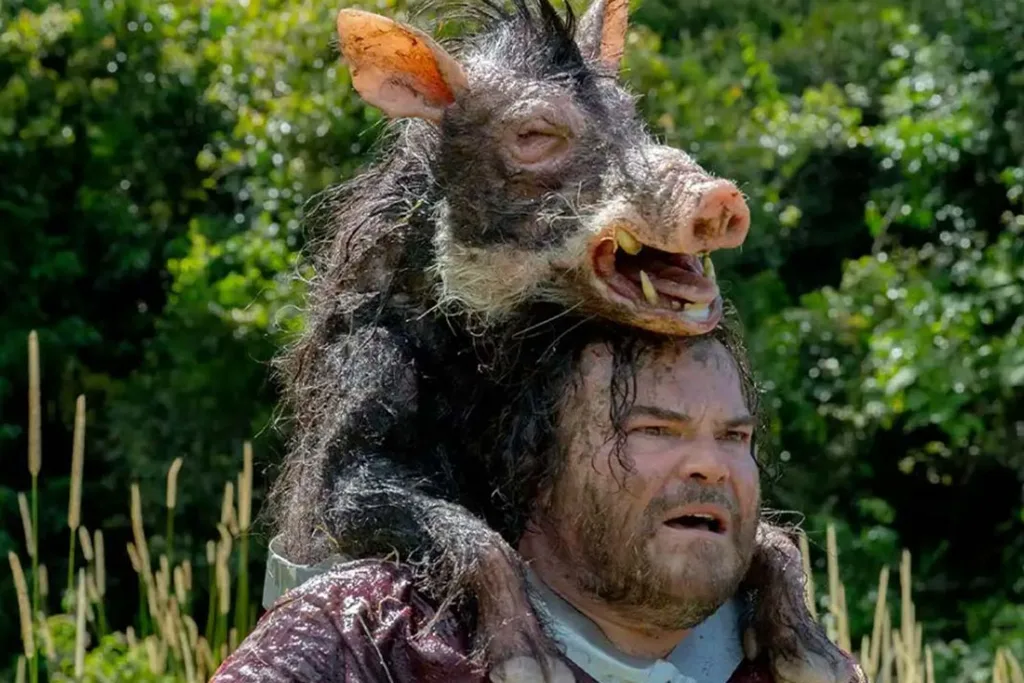
Starring Paul Rudd and Jack Black, the film follows a group of longtime friends who decide to remake Anaconda themselves. Much of the humour comes from debates over whether their project qualifies as a reboot, a reimagining, or a “spiritual sequel,” with the film openly poking fun at the language Hollywood uses to justify revisiting old IP.
Critics have widely agreed that this meta angle, where the story comments on the very act of remaking Anaconda, defines the movie. One reviewer noted that the film “understands exactly what the original represented, how it’s been remembered, and why anyone would want to revisit it in the first place.”
What are critics saying about Anaconda?
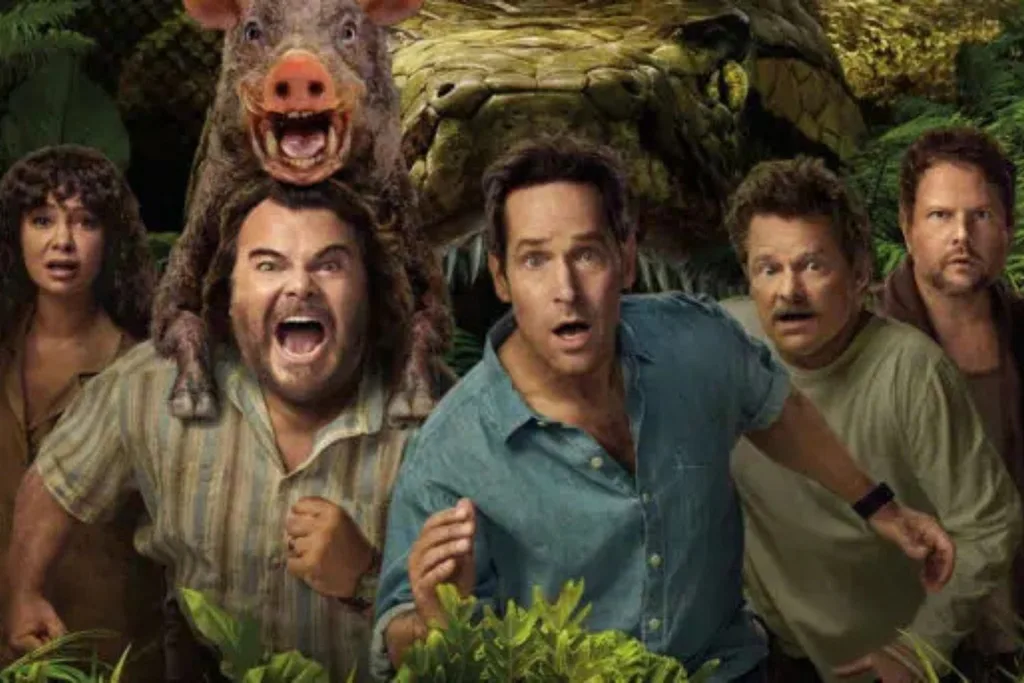
According to early reviews, the comedy is where Anaconda most often succeeds. Many critics have highlighted the chemistry between Rudd and Black, praising their easy rapport and ability to sell the film’s sillier moments. Several reviewers described the movie as consistently amusing, even if the humour doesn’t always land for everyone.
That said, some critics felt the jokes were uneven, suggesting the film occasionally relies too heavily on its self-awareness rather than sharper punchlines.
If there’s one area where reviewers seem aligned, it’s that Anaconda isn’t particularly interested in being scary. While the film includes a few jump scares, the horror elements are largely sidelined in favour of comedy. The snake itself, despite being larger and more polished visually, is often described as less threatening than in the original.
For fans expecting a tense creature feature, this shift in tone may come as a surprise.
Who will enjoy Anaconda most?
While familiarity with the 1997 film adds an extra layer of enjoyment, critics suggest it isn’t essential. Longtime fans will catch the callbacks and references, but newcomers can still enjoy the film as a light, self-aware comedy.
The consensus is clear: this Anaconda is less about fear and more about fun. By embracing its identity as a meta reboot, the film trades genuine terror for laughs, nostalgia and commentary on the reboot-heavy state of modern Hollywood.

Related stories

Native ad body.

Native ad body.




Native ad body.