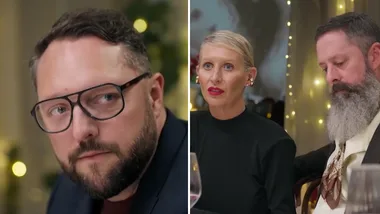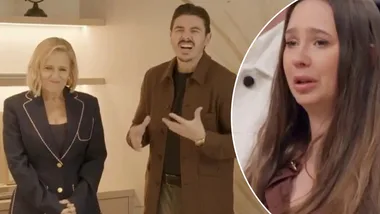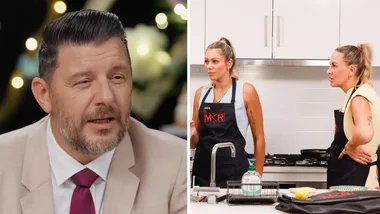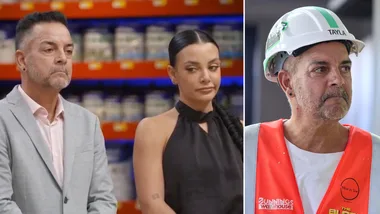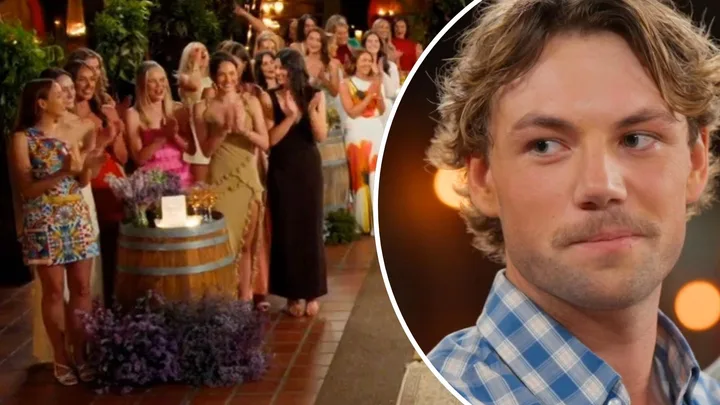
The premiere of the 2026 season of Farmer Wants A Wife has once again exposed a glaring, unresolved issue in Australia’s reality television landscape.
Diversity and on-screen representation, particularly in this unscripted format, have been a constant topic of discussion in reality TV over the years, with Farmer Wants A Wife (FWAW), Married at First Sight, and, previously, The Bachelor often in the firing line for a distinct lack of diversity spanning age, body type, and ethnicity.
As fans increasingly call out this “zero diversity” trend, the show has inherited a damning social media moniker: “Farmer Wants A White Wife.” It’s a symptom of a much larger problem, sparking urgent conversations about what needs to change behind the scenes of Australian television.
The cost of getting diversity wrong
Speaking to WHO, Mariam Veiszadeh, Executive Director of MindTribes and former CEO of Media Diversity Australia, unpacked why networks can no longer afford to ignore the status quo.
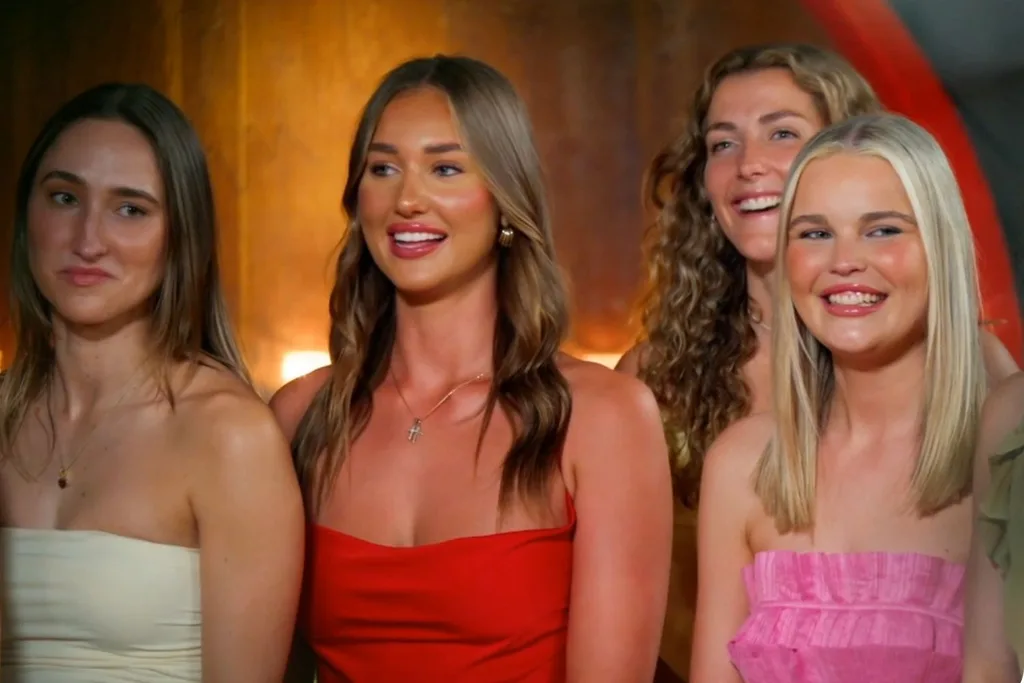
“Diversity and entertainment are not competing goals; they are complementary ones,” Veiszadeh explains. “As former CEO of Media Diversity Australia, I saw firsthand that audiences respond powerfully to seeing themselves on screen, and that representation actually drives ratings, not undermines them.
“The question is not whether networks can afford to get this right, it is whether they can afford not to.”
According to Veiszadeh, the barriers preventing diverse casting are rarely intentional, but rather structural.
“Casting processes, producer assumptions about what audiences want and who is deemed appealing to them, and a lack of diversity behind the camera all compound to produce the same narrow picture of Australia, season after season,” she tells us. “When decision-making rooms are not diverse, the output reflects that.”
The MasterChef contrast
While Australia’s reality dating shows continue to fail to represent the nation’s diversity, shows such as MasterChef Australia excel at it.
“MasterChef treats diversity as central to the show’s identity, because food in Australia is inherently multicultural, and that shapes everything from casting to storytelling,” Veiszadeh explains.
“Shows built around romance and rural life tend to default to a very narrow, nostalgic idea of what an Australian looks like, and that assumption goes largely unchallenged. Until producers interrogate those biases and defaults deliberately, the result will keep speaking for itself.”
The networks, however, maintain that their hands are often tied by the realities of casting.
Former Farmer Wants A Wife host Sam Armytage previously addressed the ongoing criticism, shifting some of the onus onto the applicants themselves.
“It’s a fair enough question, and I say the same thing every year, and I know every year the producers do scout around to try and find diversity,” Armytage told Former Farmer Wants A Wife host Sam Armytage previously addressed the ongoing criticism, shifting some of the onus onto the applicants themselves. TV Tonight. “We’re always looking for a gay farmer. But those people have got to be willing to go on television, and they just are not at this point. But we would of course be open to it.”
She added, “I know we go through this talk about diversity every year. But people still tune in. There’s still a great love for our farmers.”
Farmer Wants A Wife fans lash out: “Nothing but skinny blondes”
Despite steady ratings, viewer fatigue is boiling over on social media. Fans have become highly vocal about the lack of inclusivity, with one viewer writing: “I don’t care, this show has gone too white just like MAFS over the last few years. Not what it used to be.
The criticism isn’t limited to ethnic diversity; body representation is also a major flashpoint. This season, viewers were left disappointed when farmer Jason chose not to bring fan-favourite contestant Bene back to the farm.
“Nothing but skinny blondes for our farmers,” one viewer lamented online, while another argued that “Bene is made for TV!”
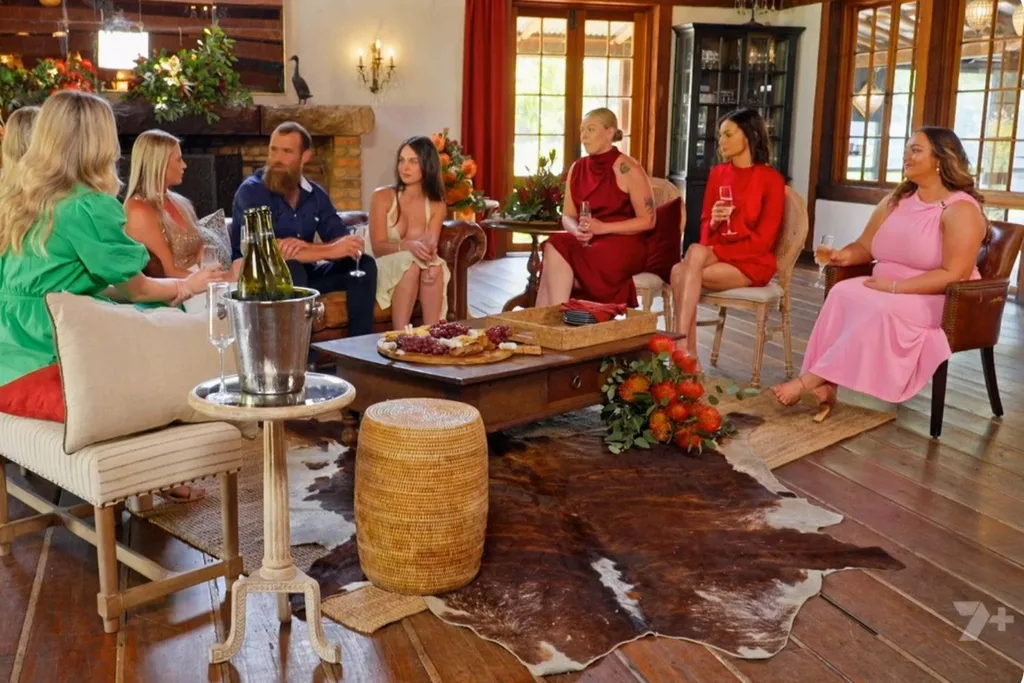
“It would have been lovely to see more plus-sized women on the show. This would be a better representation and reflection of women who live in Australia,” a viewer noted of a previous season.
Conversely, some fans argue that the networks shouldn’t bear all the blame, noting that the format relies heavily on farmers’ personal preferences.
“The farmers choose the women they want to meet, not the show,” one comment read. “The farmers swipe to choose, nothing different than the real world! The challenge is convincing the girls to stay in a town of less than 1,000 [people].”
“A genuine act of social responsibility”
Ultimately, Veiszadeh argues that cultural heavyweights like FWAW and MAFS bear a profound societal responsibility that extends far beyond mere entertainment.
“We are living in a moment where far-right politics is on the rise and minorities are increasingly being scapegoated in our public discourse,” Veiszadeh warns. “Television is one of the most powerful mediums we have, and it functions as a shopfront to society.”
She maintains that when television consistently excludes or sidelines diverse backgrounds, it quietly reinforces the harmful narrative that certain people do not belong.
“But when it gets it right, it has an extraordinary opportunity to humanise difference, to normalise it, and to push back against the narratives that are doing real harm to real communities,” Veiszadeh says. “That is not a small thing. That is a genuine act of social responsibility.”


Related stories
Native ad body.
Native ad body.
Native ad body.